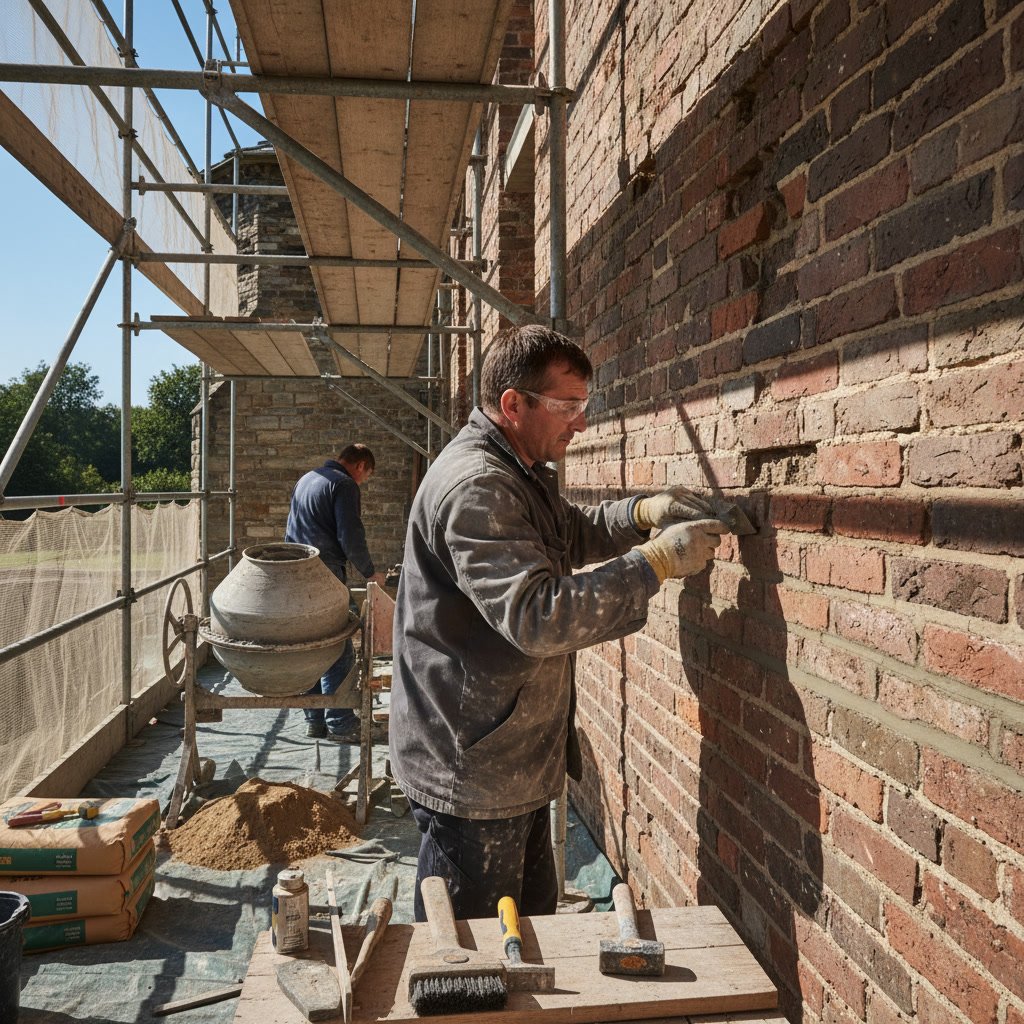
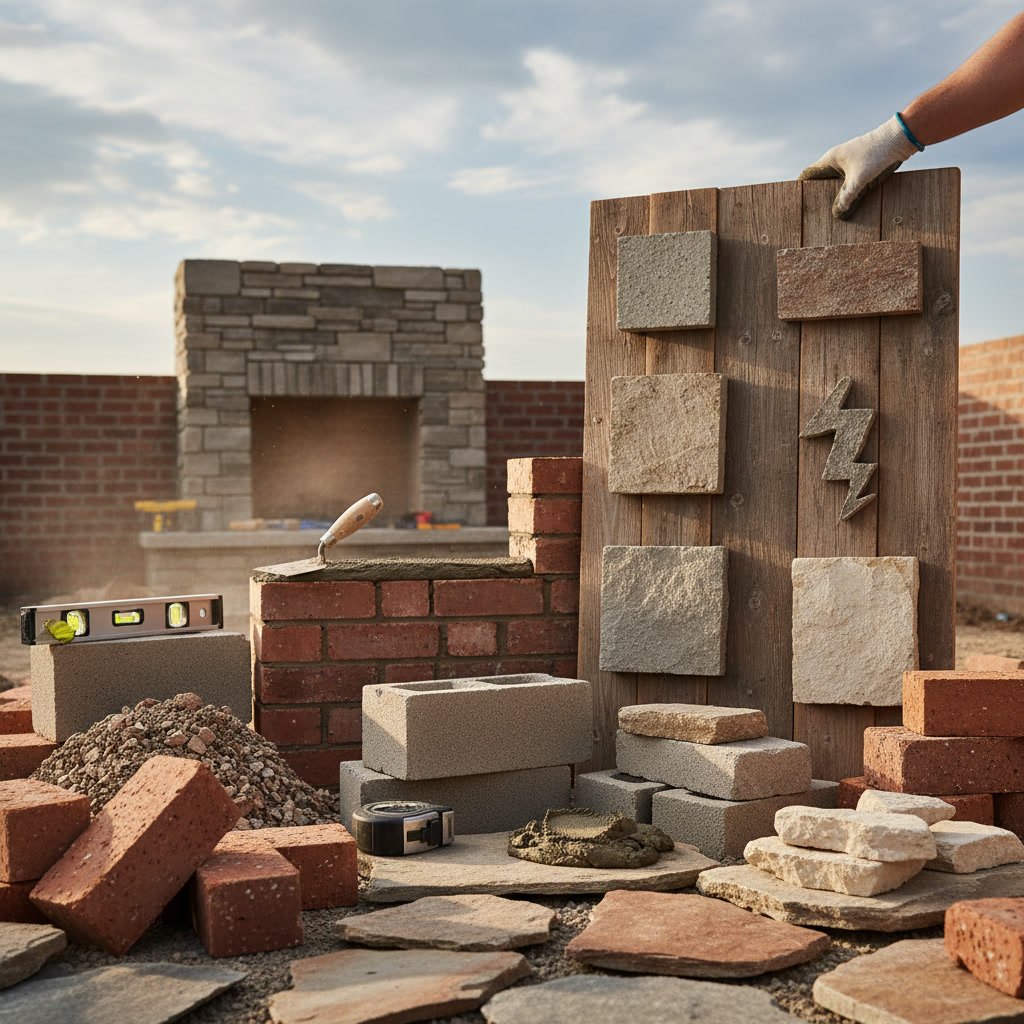
Selecting the right masonry material determines both the longevity and appearance of your project. This comprehensive masonry materials guide explains the characteristics of brick, stone, concrete block, and specialized materials, along with expert recommendations for when each type works best. Understanding material properties helps you make informed decisions that balance aesthetics, durability, climate considerations, and budget.
Why Material Selection Matters in Masonry Work
The material you choose for a masonry project affects everything from structural integrity to maintenance requirements. Each material responds differently to Florida’s heat, humidity, salt air, and occasional freeze events. Clay brick expands and contracts at different rates than natural stone. Concrete block offers different insulation values than solid masonry. Your material choice influences not just the initial construction but decades of performance.
Beyond technical performance, materials define the character of your property. A rustic fieldstone wall creates an entirely different aesthetic than precision-cut granite or uniform red brick. The right material complements your home’s architecture and fits the surrounding landscape. Poor material selection often leads to premature deterioration, requiring costly repairs within just a few years.
Understanding Brick Types and Applications
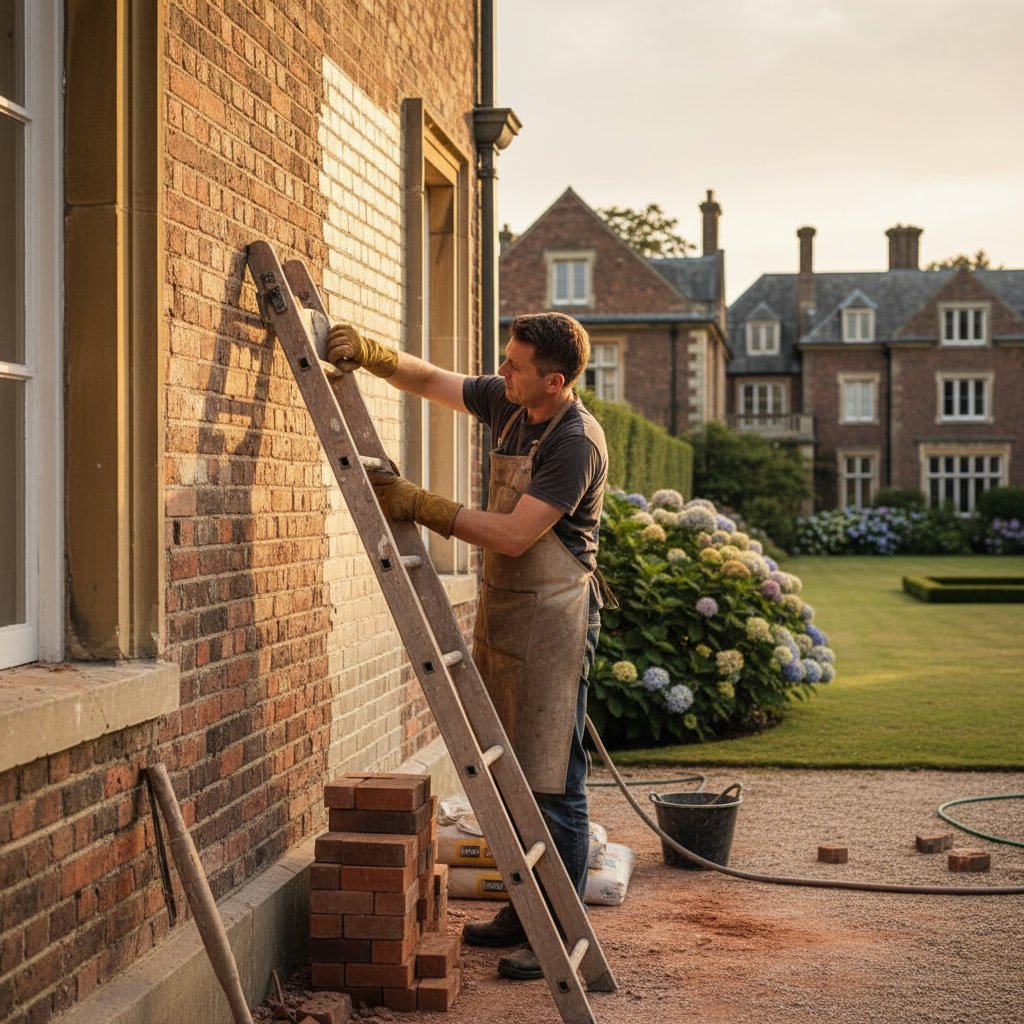
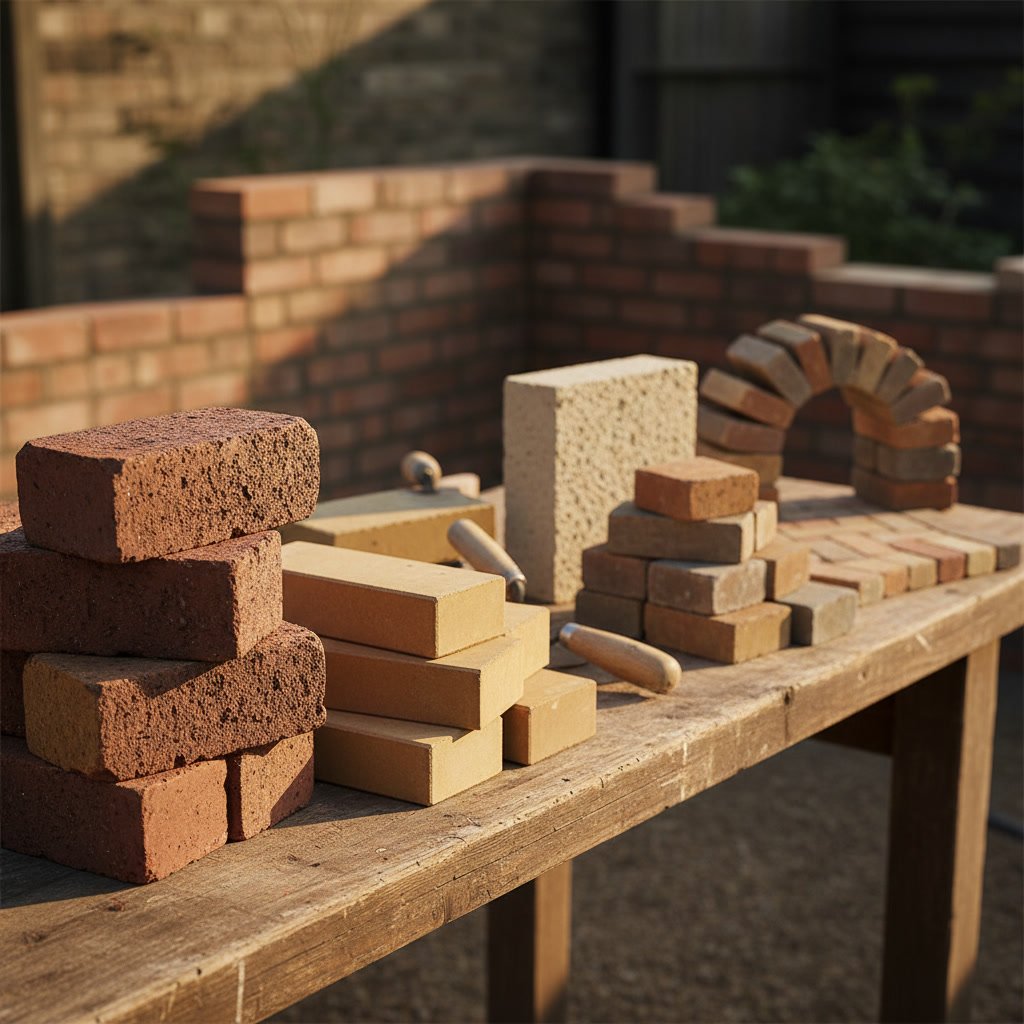
Clay brick remains one of the most versatile and enduring masonry materials. Modern brick manufacturing produces units in hundreds of colors, textures, and sizes. Face brick, designed for exposed surfaces, offers superior weather resistance and color consistency. Common brick, typically used in structural applications hidden from view, costs less but lacks the refined appearance of face brick.
Engineer brick provides exceptional strength and low water absorption, making it ideal for retaining walls, paving, and areas with heavy moisture exposure. Its dense composition resists freeze-thaw damage better than standard brick. Thin brick veneer, roughly one inch thick, offers the appearance of solid masonry at reduced weight and cost, perfect for facade renovations or interior accent walls.
Brick performs exceptionally well in residential construction, fireplaces, garden walls, and paving applications. Its thermal mass helps moderate indoor temperatures in Florida’s climate. Properly installed brick with quality mortar can last over 100 years with minimal maintenance. For historic restoration work, matching original brick type and dimensions ensures authentic repairs that preserve architectural integrity.
Natural Stone Characteristics and Best Uses
Natural stone offers unmatched beauty and individuality. No two pieces are identical, creating unique visual interest impossible to replicate with manufactured materials. Granite, one of the hardest natural stones, resists scratching, staining, and weathering. Its durability makes it ideal for high-traffic areas, outdoor kitchens, countertops, and architectural accents that must withstand decades of exposure.
Limestone provides a softer, more porous alternative with warm earth tones. It cuts easily, allowing intricate detailing and custom shapes. However, limestone requires sealing in moisture-prone areas and can stain from acidic substances. Sandstone offers similar workability with slightly better weather resistance. Both limestone and sandstone work beautifully for decorative features, wall caps, and projects prioritizing aesthetics over extreme durability.
Fieldstone and river rock create rustic, natural appearances perfect for landscape walls, water features, and informal garden structures. These irregular stones require skilled placement to achieve stable interlocking patterns. Flagstone, split into flat layers, excels for patios, walkways, and pool decks where its slip-resistant texture enhances safety. When selecting stone, consider both the quarry location and finishing method, as these factors dramatically affect appearance and cost.
Concrete Block Applications in Palm Beach Construction
Concrete masonry units, commonly called CMUs or cinder blocks, dominate structural masonry in Palm Beach and throughout South Florida. Standard 8x8x16 inch blocks provide excellent compressive strength for load-bearing walls, foundations, and commercial structures. Their hollow cores accommodate rebar and concrete fill, creating reinforced walls that meet stringent hurricane building codes.
Architectural block units feature textured faces, decorative patterns, or split surfaces that eliminate the need for additional finishing. These blocks serve as both structure and finished surface, reducing labor costs and construction time. Lightweight aggregate blocks weigh approximately 25 percent less than standard blocks, easing handling while maintaining adequate strength for most residential applications.
Concrete block construction offers superior fire resistance, termite protection, and sound insulation compared to wood framing. The material’s thermal mass helps stabilize indoor temperatures. For projects requiring both structural integrity and economy, concrete block often represents the optimal choice. Its modular nature speeds construction while maintaining consistent quality.
Specialized Materials for Fireplaces and Chimneys
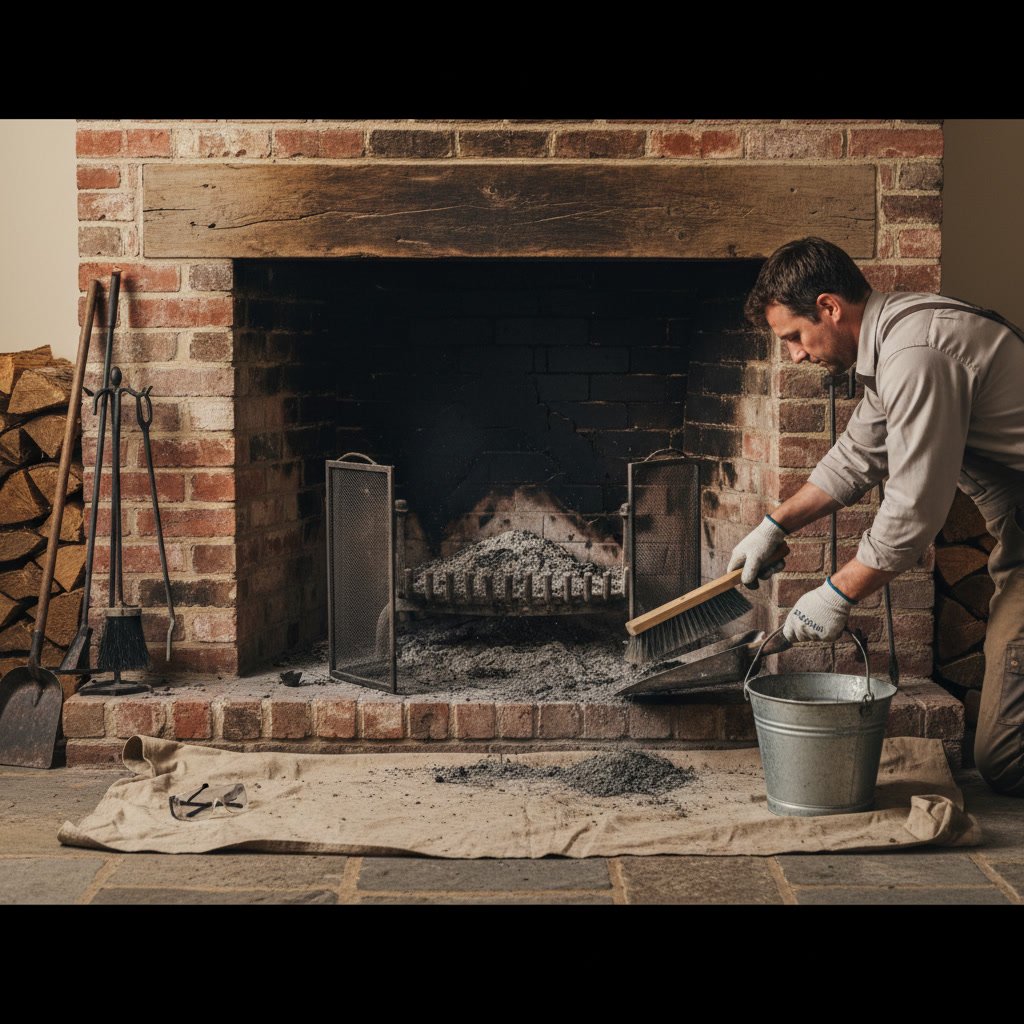
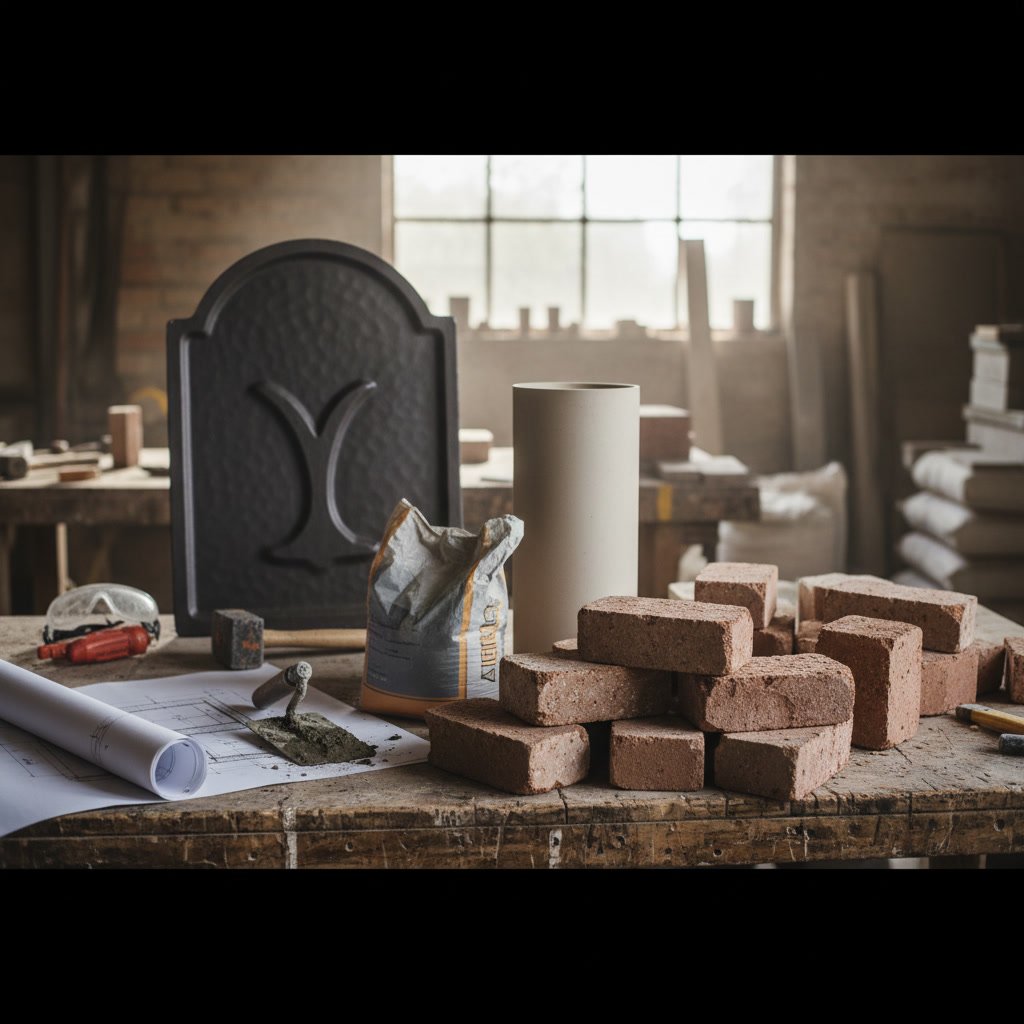
Fireplace and chimney construction demands materials that withstand extreme temperature fluctuations and direct flame exposure. Firebrick, manufactured from refractory clay, tolerates temperatures exceeding 2,000 degrees Fahrenheit without cracking or spalling. Standard brick degrades rapidly under such conditions. Firebrick lines fireboxes, creating a durable barrier between flames and surrounding masonry.
Refractory mortar, specifically formulated for high-heat applications, bonds firebrick without deteriorating from thermal stress. Standard mortar crumbles when repeatedly heated and cooled. Flue liners, typically clay tile or stainless steel, protect chimney masonry from corrosive combustion byproducts and extreme heat. Properly installed liners extend chimney life by decades and significantly improve safety.
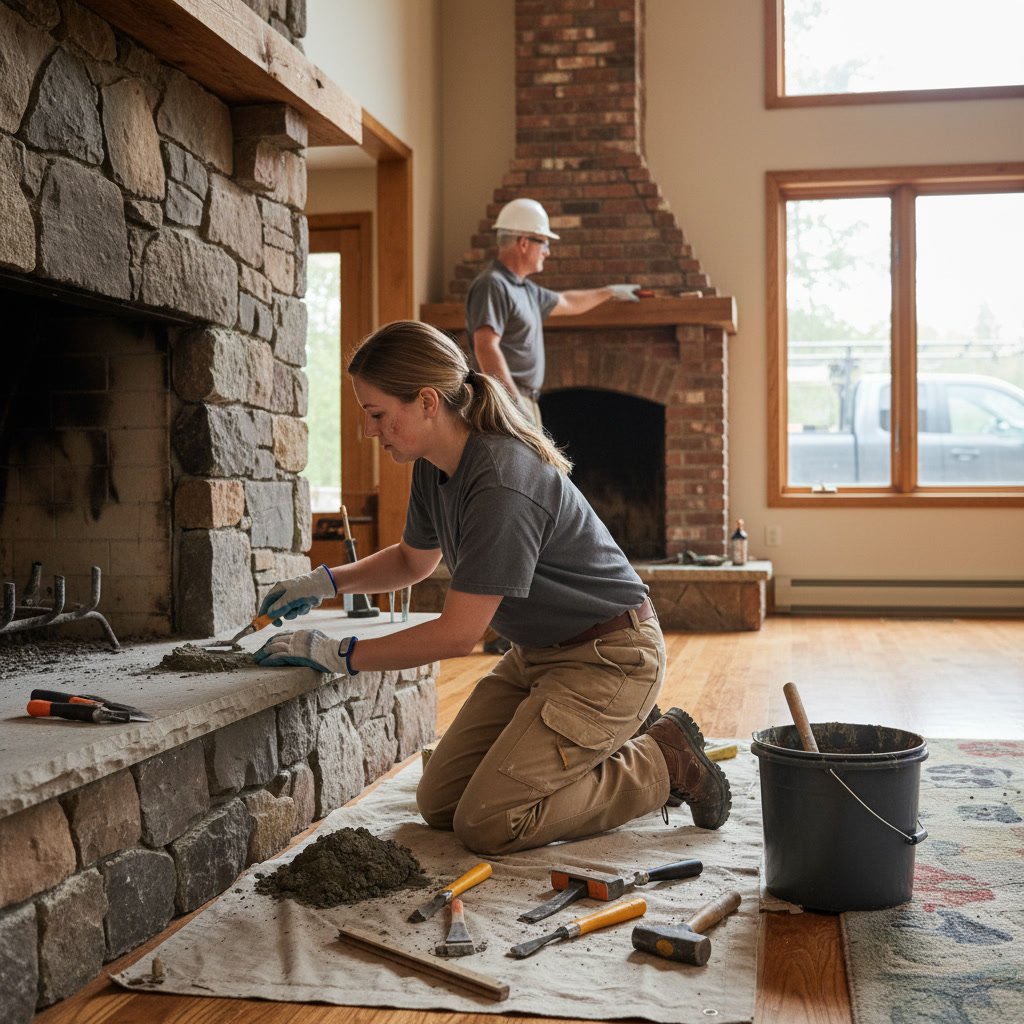
Natural stone veneers and cultured stone products create attractive fireplace surrounds and mantels. These materials withstand moderate heat while adding aesthetic value. When planning chimney projects, consult experienced masons familiar with proper material selection and installation techniques. Improper materials or installation methods create serious fire hazards and require expensive remediation. Understanding the steps involved in professional masonry projects helps ensure proper material specification from the start.
Comparing Durability and Maintenance Requirements
Material longevity varies dramatically based on composition and installation quality. Clay brick, when properly installed with sound mortar and adequate drainage, regularly exceeds 100 years with minimal intervention. Natural granite and other dense stones offer similar longevity. Concrete block structures, common in Florida construction since the mid-20th century, routinely serve 50 to 75 years before requiring significant structural attention.
Softer stones like limestone and sandstone require more frequent maintenance. Periodic sealing protects against moisture intrusion and staining. Repointing mortar joints every 25 to 30 years maintains structural integrity across all masonry types. Regular masonry maintenance prevents minor issues from escalating into major structural problems.
Moisture management determines masonry longevity more than any other factor. Materials with high absorption rates, including many natural stones and standard concrete block, benefit from water-repellent treatments. Proper flashing, drainage planes, and cap details shed water away from masonry surfaces. Projects near coastal areas face accelerated deterioration from salt exposure, making material selection and protective treatments especially critical. Investing in quality materials and professional installation always costs less than premature replacement.
Climate Considerations for South Florida Projects
Florida’s subtropical climate presents unique challenges for masonry materials. Intense UV exposure fades some pigments and degrades certain sealers. High humidity promotes efflorescence, where dissolved salts migrate through masonry and crystallize on surfaces. Salt air near coastal communities accelerates metal corrosion in anchors, ties, and reinforcement, potentially causing spalling and structural damage.
Thermal expansion coefficients matter more in Florida than northern climates. Daily temperature swings, while not extreme, occur year-round without seasonal breaks. Materials must accommodate constant expansion and contraction cycles. Control joints, expansion joints, and proper mortar selection prevent stress cracks and structural movement.
Hurricane resistance drives material selection for many projects. Reinforced concrete block walls, properly anchored to foundations and roof structures, provide exceptional wind resistance. Unreinforced masonry veneers require robust tie systems and adequate air space behind the veneer. Building codes specify minimum requirements, but exceeding minimums often proves wise in severe weather zones. Material choices that work well in temperate climates may fail prematurely in Florida’s demanding environment.
Cost Factors and Budget Planning
Material costs vary widely. Standard concrete block typically represents the most economical choice for structural applications. Clay brick costs roughly 30 to 50 percent more than block for comparable wall areas, though thin brick veneer narrows this gap. Natural stone commands premium prices, especially for rare colors, large pieces, or custom cuts. Granite and other imported stones cost significantly more than locally quarried limestone or sandstone.
Installation labor often exceeds material costs. Stone masonry requires more skilled labor and time than block installation, increasing total project expense. Intricate patterns, tight tolerances, and custom details add labor hours. Projects requiring scaffolding, difficult access, or extensive site preparation accumulate costs beyond basic material and labor rates.
Long-term value considerations sometimes justify higher initial investment. Premium materials requiring less maintenance over 50 years may cost less than economy materials needing frequent repairs. Durable construction withstands storm damage better than minimum-code structures, potentially reducing insurance costs and avoiding catastrophic loss. Thoughtful material selection balances immediate budget constraints against lifecycle costs and performance expectations.
Matching Materials to Architectural Styles
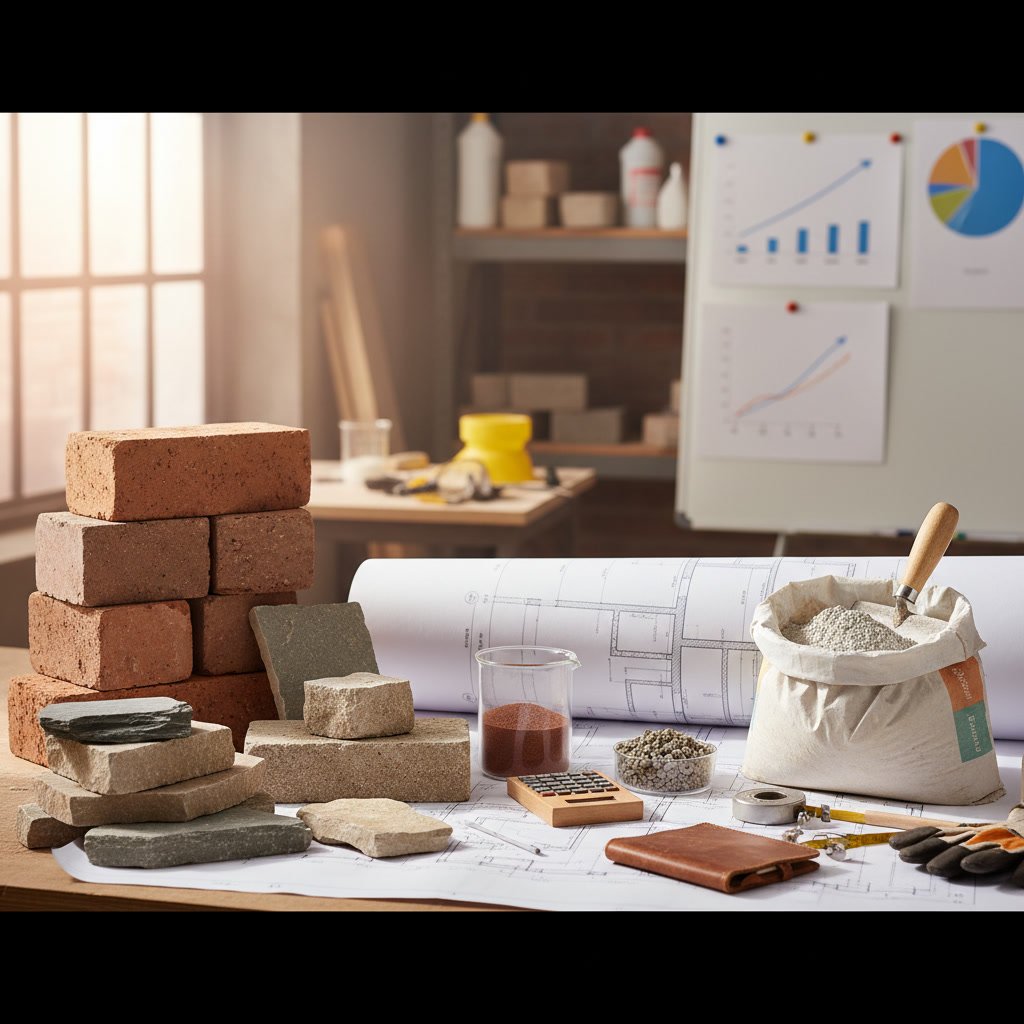
Architectural harmony requires matching masonry materials to design intent. Mediterranean and Spanish Revival styles, common throughout South Florida, traditionally feature stucco over concrete block with terracotta accents. Red clay roof tiles pair naturally with warm-toned limestone or coral stone details. Modern architectural styles often incorporate smooth concrete, glass block, or precision-cut stone in geometric patterns.
Historic preservation projects demand authentic material matches. Replacing damaged brick in century-old structures requires sourcing comparable clay compositions, dimensions, and firing techniques. Mismatched repairs stand out visually and may compromise structural performance. Local architectural review boards often specify acceptable materials for properties in historic districts.
Contemporary designs embrace material mixing. Combining stone veneers with smooth concrete creates visual interest through texture contrast. Glass block introduces light while maintaining privacy. Exposed aggregate finishes add surface interest to otherwise plain concrete. The key lies in deliberate design choices rather than random combinations. Each material should serve a clear purpose in the overall composition.
When to Choose Specialized or Hybrid Solutions
Some projects benefit from combining multiple materials or using specialized products. Thin brick or stone veneers over concrete block provide aesthetic appeal with structural efficiency. This approach delivers the appearance of solid masonry at reduced weight, cost, and construction time. Engineered stone products offer consistent dimensions and colors impossible to achieve with natural materials.
Permeable pavers address stormwater management requirements while creating attractive hardscape surfaces. These units allow water infiltration, reducing runoff and recharging groundwater. Retaining wall blocks with integrated interlocking systems simplify installation while providing engineered stability for steep slopes. Prefabricated fireplace components and chimney systems reduce on-site labor while ensuring code compliance.
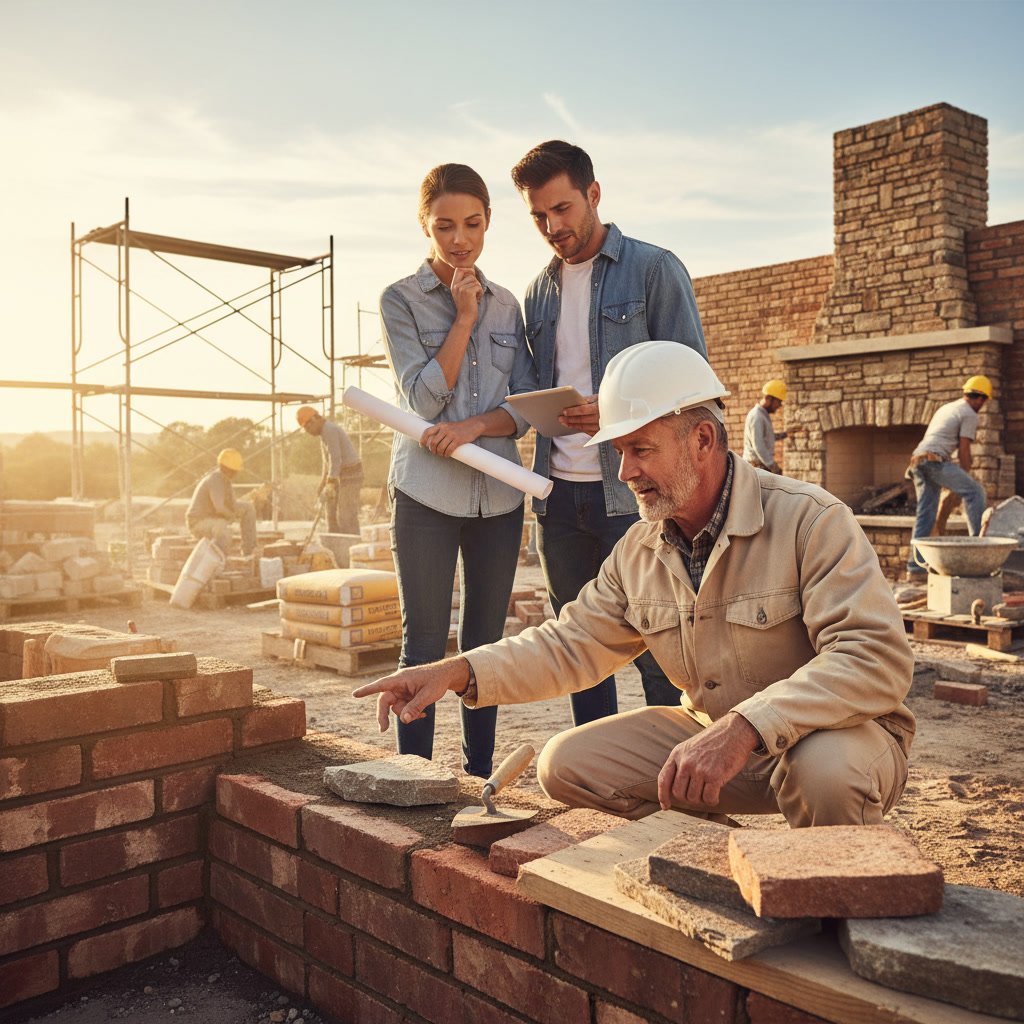
Hybrid systems work well for renovations and additions. Matching existing materials exactly often proves difficult or impossible decades after original construction. Complementary materials that harmonize without precisely matching create cohesive appearances. Experienced masons evaluate site conditions, project requirements, and aesthetic goals to recommend optimal material combinations. Expert guidance prevents costly mistakes and ensures successful outcomes.
Building Projects That Stand the Test of Time
Selecting appropriate masonry materials forms the foundation of durable, beautiful construction. Quality materials properly installed deliver decades of reliable performance with minimal maintenance. Understanding each material’s strengths, limitations, and ideal applications empowers informed decisions that balance aesthetics, functionality, and budget. Whether planning a masonry repair, new construction, or restoration project, material selection directly impacts long-term satisfaction and value.
Climate considerations, architectural compatibility, and intended use guide material choices more than cost alone. Premium materials often justify their higher initial expense through extended service life and reduced maintenance. Conversely, economy materials used appropriately in suitable applications provide excellent value. The key lies in matching materials to specific project requirements rather than applying one-size-fits-all solutions.
Marck Pecoraro Masonry brings over four decades of hands-on experience to every project throughout Palm Beach County. Our deep understanding of material properties, installation techniques, and local climate conditions ensures your masonry work delivers lasting beauty and performance. Whether you need expert guidance on material selection or skilled craftsmanship for your next project, reach out at +15619510233 to discuss how we can bring your vision to life with the right materials and meticulous attention to detail.