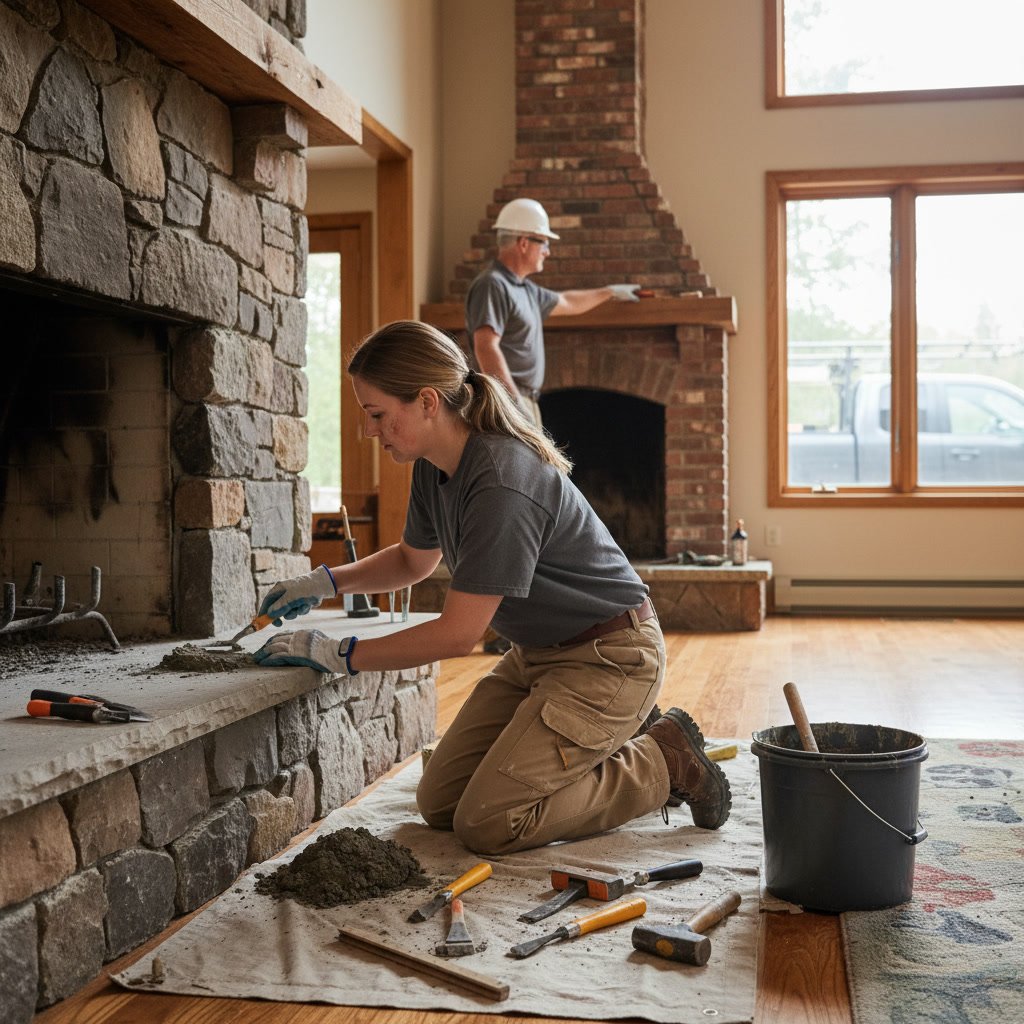
Many homeowners can safely tackle basic fireplace maintenance like cleaning ash or replacing damper handles, but structural issues involving mortar, bricks, or chimney integrity always require a licensed professional. Attempting DIY fireplace repairs on load-bearing components or fire-exposed surfaces can create serious safety hazards and costly damage. Understanding the difference between simple upkeep and specialized masonry work protects both your investment and your family’s safety.
Why Your Fireplace Needs Regular Attention
Fireplaces endure extreme temperature swings every time you light a fire. The repeated cycle of heating and cooling causes materials to expand and contract, gradually wearing down mortar joints and firebrick. Even if you only use your fireplace occasionally, moisture from Florida’s humid climate can penetrate small cracks and accelerate deterioration. Regular inspections help you catch minor problems before they become expensive emergencies.
Most fireplace damage starts small. A hairline crack in the firebox might seem harmless, but it can allow heat to reach combustible materials in your walls. A loose brick in the chimney crown lets water seep inside, leading to freeze-thaw damage during rare cold snaps. Catching these issues early means simpler, less expensive solutions.
Simple Maintenance Tasks You Can Do Yourself
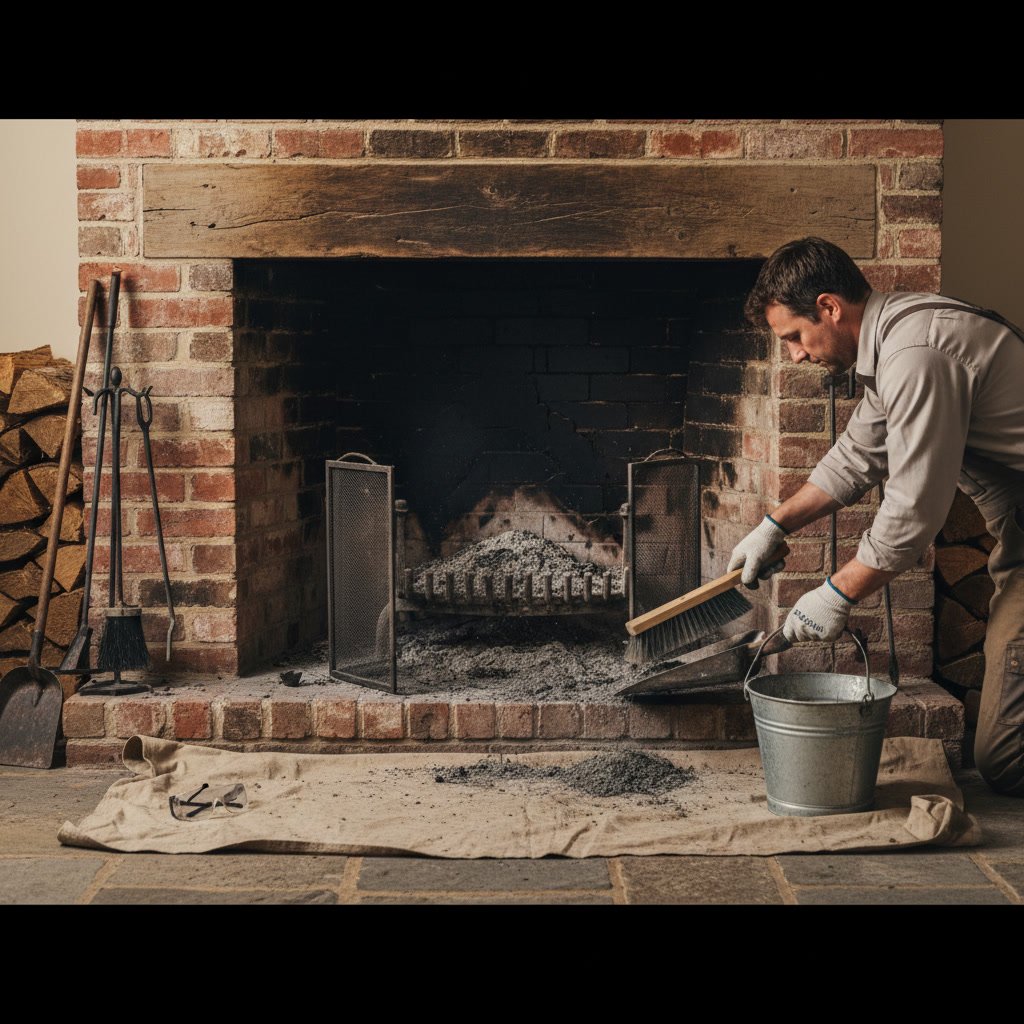
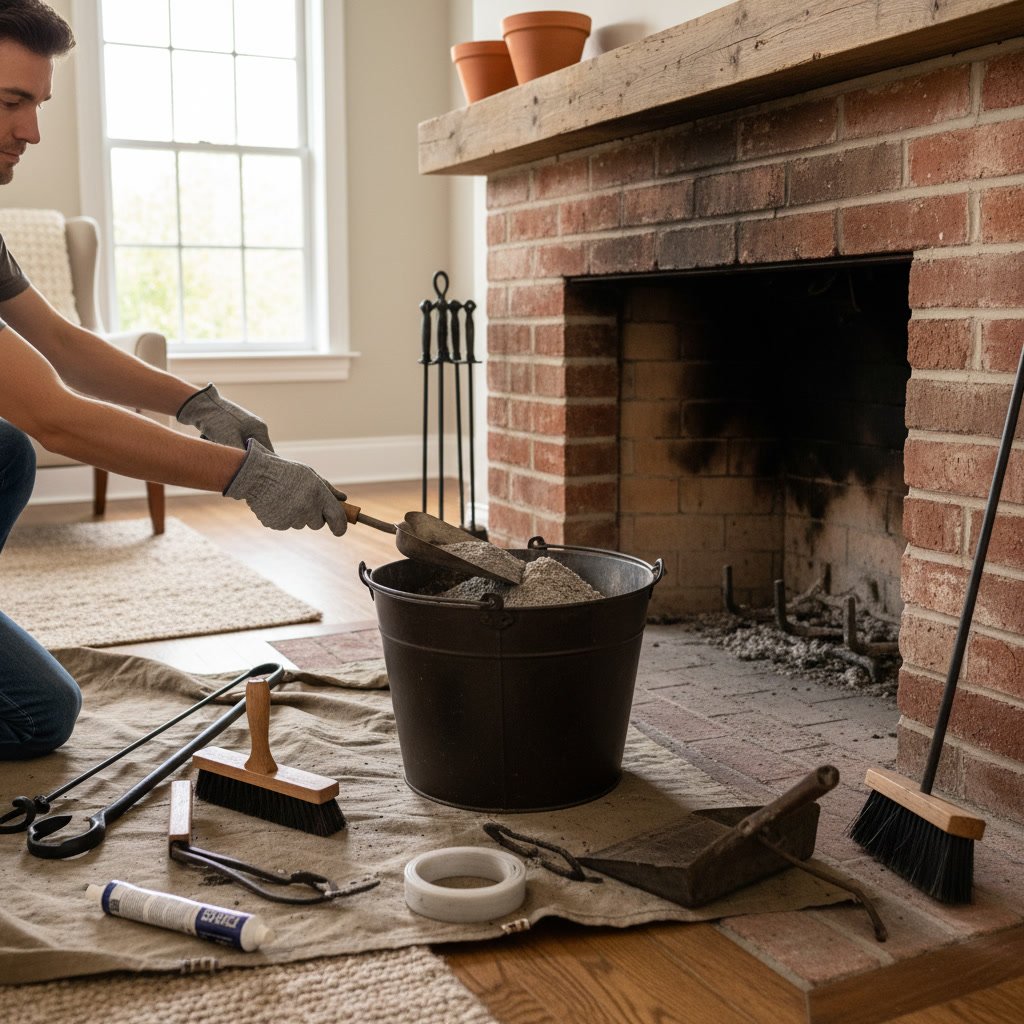
Removing ash after the fire has fully cooled is the most basic task any homeowner should handle. Use a metal ash bucket and store ashes outside in a non-combustible container for at least three days, as coals can remain hot far longer than they appear. This simple step prevents buildup that restricts airflow and creates unpleasant odors.
Cleaning the glass doors requires only a damp cloth and specialized fireplace glass cleaner. Avoid ammonia-based cleaners, which can leave streaks and damage the tempered glass over time. Clean glass improves your view of the fire and allows you to spot problems inside the firebox more easily.
Inspecting the damper operation falls within most homeowners’ skill sets. Open and close the damper several times to ensure smooth movement. If it sticks or squeaks, a light application of high-temperature lubricant on the hinges often solves the problem. Never force a stuck damper, as you might bend the metal or break the seal.
When Mortar Needs Attention in Palm Beach Homes
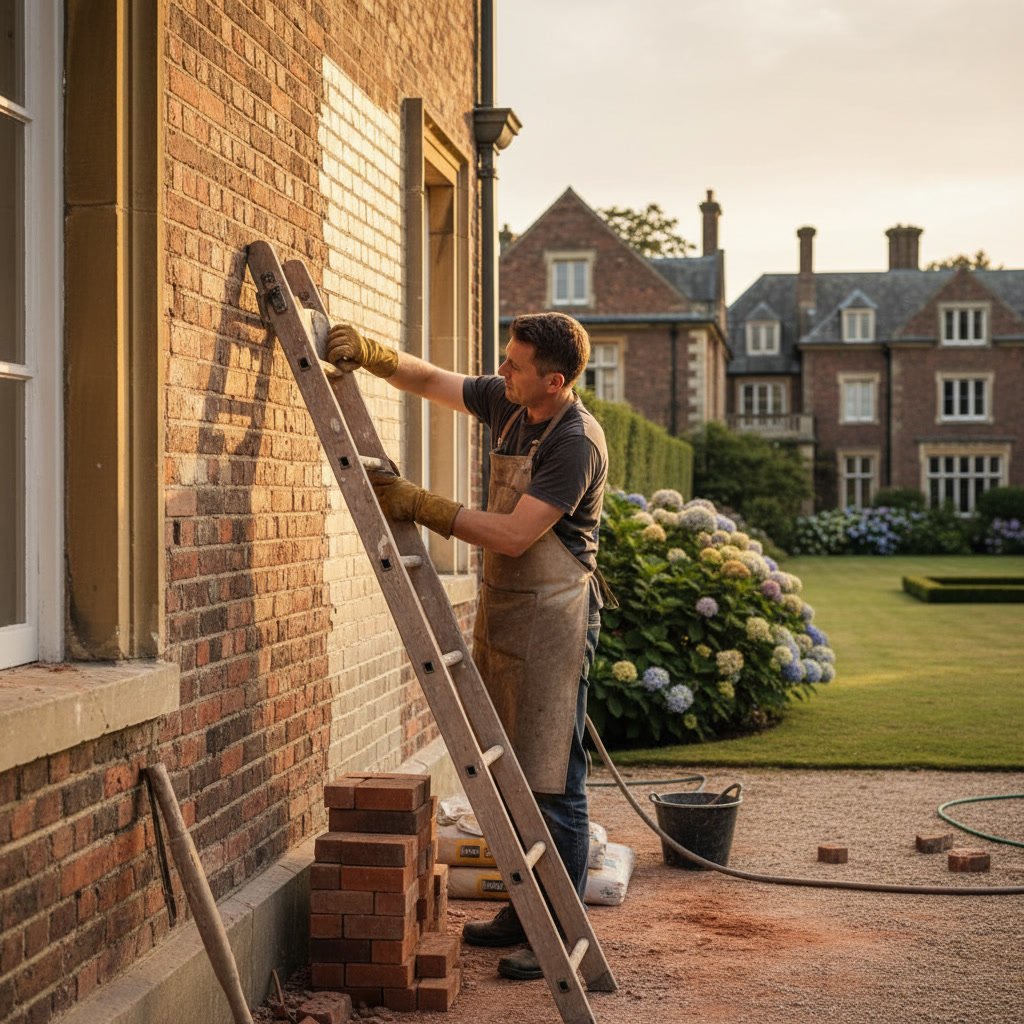
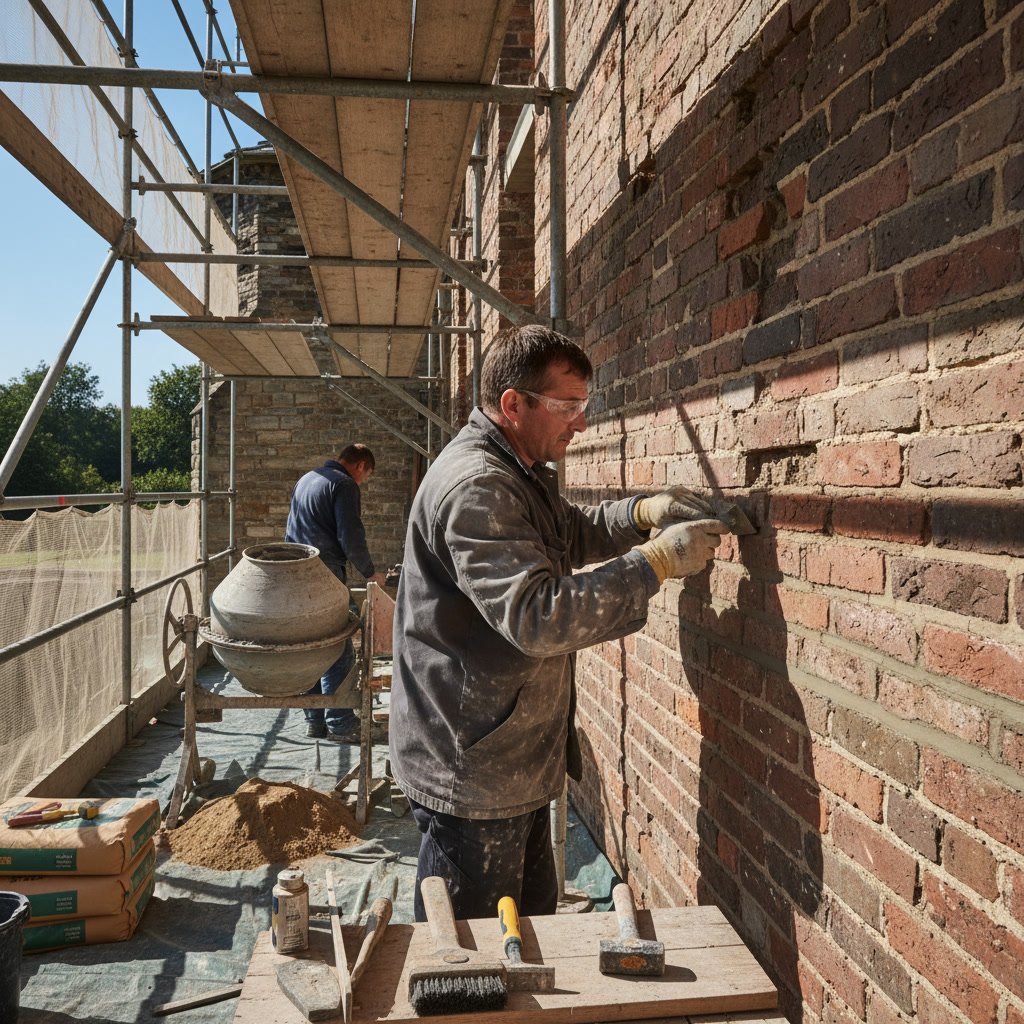
Mortar joints deteriorate faster than the bricks or stones they hold together. Small gaps between bricks might seem cosmetic, but they compromise the structural integrity of your entire fireplace system. Repointing mortar requires matching the original mortar composition, removing deteriorated material to the correct depth (typically 2-3 times the joint width), and applying new mortar in specific weather conditions.
The humidity in our coastal area accelerates mortar breakdown, especially when combined with the salts in our air. Professional masons understand how to select mortar mixes that account for local environmental factors. Using the wrong mortar type creates mismatched expansion rates, leading to further cracking and spalling.
Homeowners often underestimate the skill required for proper masonry repairs. Repointing looks straightforward until you attempt it. Achieving the correct joint profile, proper curing time, and matching the existing mortar color requires years of experience. Poor repointing work actually traps moisture inside the wall, accelerating damage rather than preventing it.
Recognizing Dangerous Structural Cracks
Not all cracks signal immediate danger, but knowing the difference can prevent catastrophic failure. Hairline cracks less than 1/16 inch wide that run horizontally along mortar joints often result from normal settling and may not require immediate repair. Vertical cracks wider than 1/4 inch, stair-step patterns following mortar joints, or any crack that passes through bricks themselves indicate serious structural issues.
Cracks in the firebox require immediate professional assessment. The firebox contains the fire and protects your home from extreme heat. Any compromise to its integrity creates a fire hazard. Firebricks are designed to withstand temperatures exceeding 2000 degrees, but once cracked, they lose their protective capability. Regular firebrick replacement is part of proper masonry maintenance and should never be delayed.
Chimney Issues That Require Professional Assessment
Your chimney extends above your roofline, where it faces wind, rain, and temperature extremes. Problems at the chimney crown or cap allow water to enter the flue system, causing damage throughout the entire structure. Water infiltration leads to rust in metal components, deterioration of mortar joints, and potential collapse of interior flue liners.
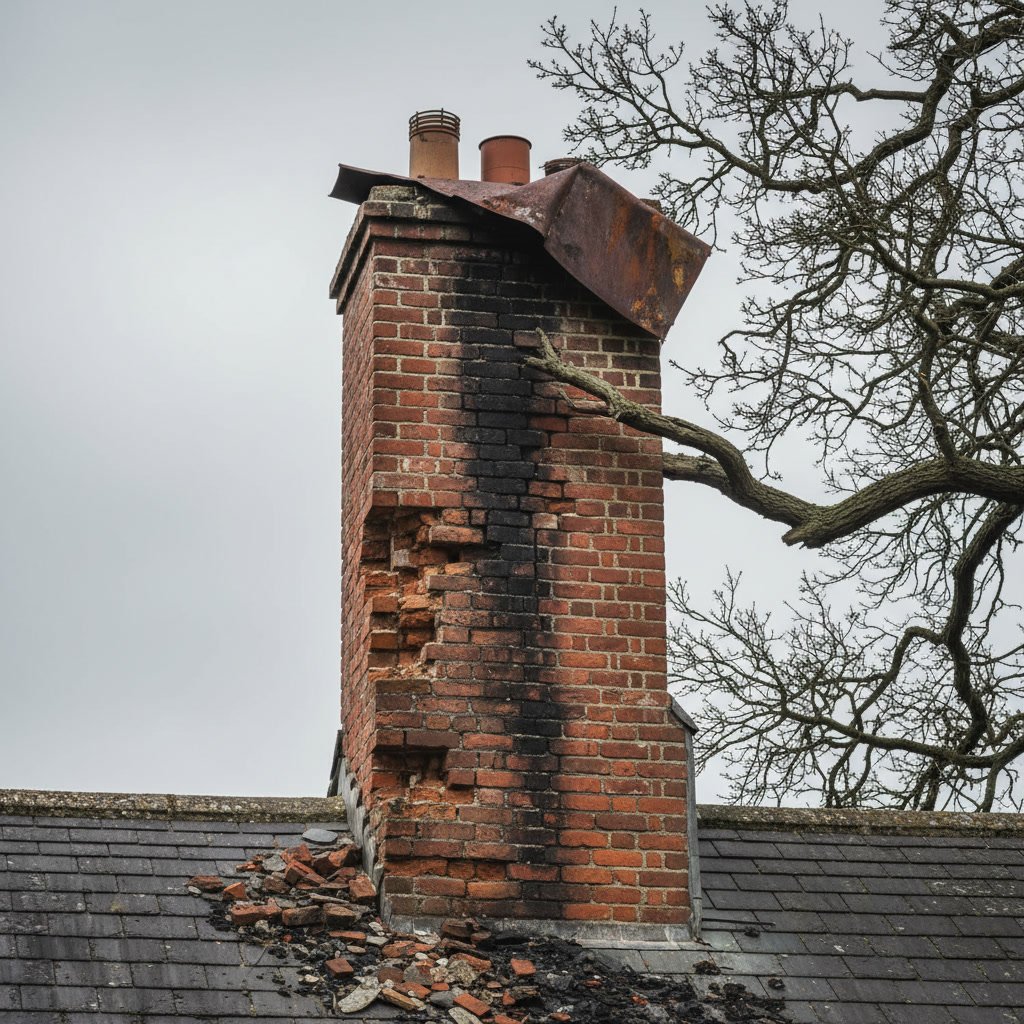
Spalling bricks, where the face of the brick flakes off in layers, indicate moisture has penetrated deep into the masonry. This condition worsens rapidly and can destabilize your entire chimney. Once spalling begins, individual brick replacement becomes necessary. Attempting to patch spalling bricks with mortar or sealant only hides the problem temporarily while damage continues underneath.
Leaning or tilting chimneys require immediate professional evaluation. A chimney that has shifted from vertical indicates foundation problems, deteriorated footing, or structural failure in the chimney itself. This situation poses collapse risk and must be addressed by experienced chimney specialists who can determine whether repair or rebuild is the safer option.
The Hidden Dangers of Creosote Buildup
Creosote accumulates inside your chimney flue every time you burn wood. This tar-like substance is highly flammable and causes most chimney fires. While you can purchase chimney brushes and attempt to clean the flue yourself, professionals have the training to recognize dangerous buildup levels and the equipment to remove all three stages of creosote, including the glazed form that resists simple brushing.
Stage three creosote appears as a shiny, hardened coating that forms when fires burn at low temperatures with restricted airflow. This type requires specialized removal techniques and often indicates ventilation problems that need correction. Missing this during a DIY cleaning leaves you vulnerable to chimney fires that can reach temperatures of 2000 degrees and crack flue liners or ignite structural components.
Understanding Fire Code Requirements and Permits
Most municipalities require permits for structural fireplace work, including rebuilding fireboxes, installing new chimney liners, or making changes to chimney height. These regulations exist to protect homeowners from unsafe installations that create fire hazards or carbon monoxide risks. Licensed masons understand local building codes and secure proper permits as part of their service.
Insurance companies often deny claims for fire damage when they discover unpermitted fireplace modifications. Even if your DIY work seems sound, the lack of proper permits and inspections can void your coverage. Professional work comes with documentation, permits, and often warranties that protect your investment and maintain your insurance validity.
Cost Comparison Between DIY Mistakes and Professional Work
The initial savings from DIY repairs disappear quickly when mistakes require professional correction. A homeowner who attempts to repoint their firebox with standard mortar instead of refractory cement creates a situation where the mortar fails under high heat, requiring complete removal and reinstallation. The cost of fixing failed DIY work typically exceeds what professional installation would have cost initially.
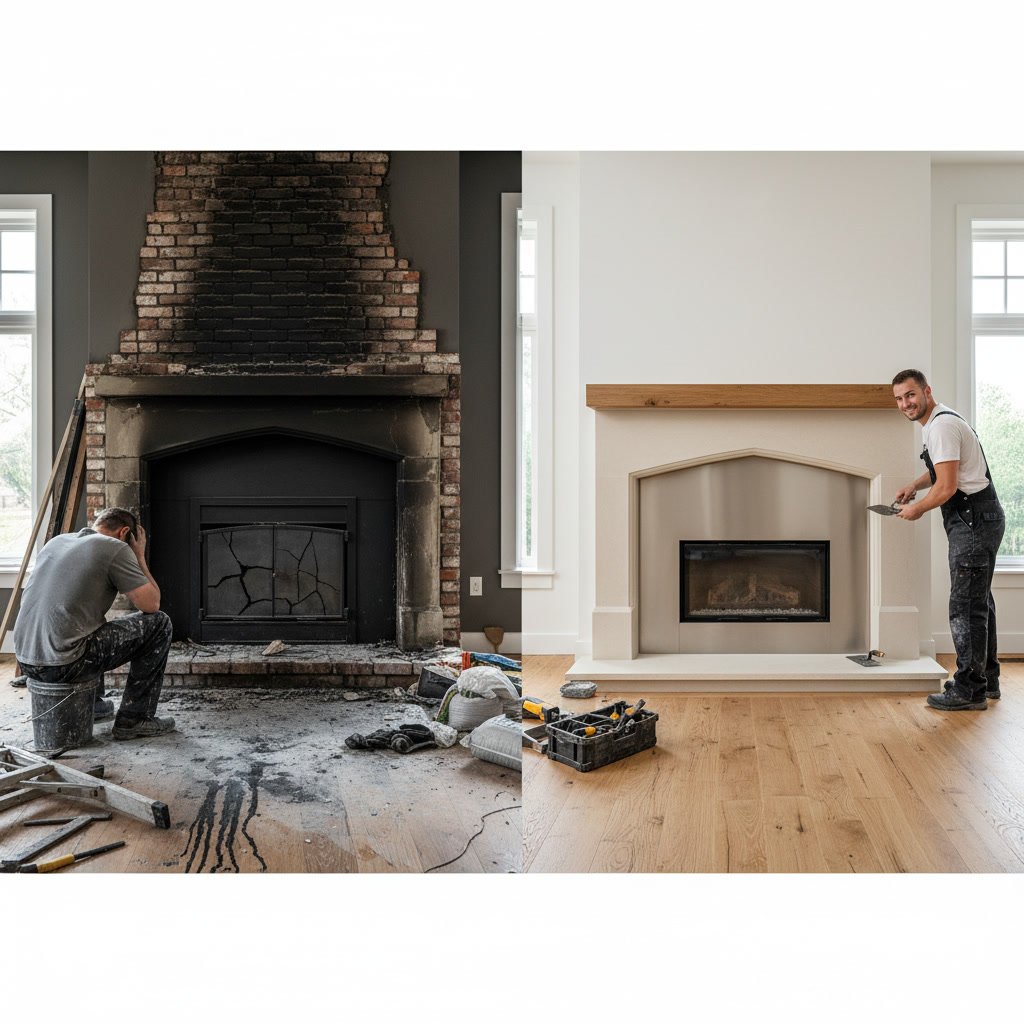
Consider a common scenario: repairing a small section of deteriorated chimney crown. The materials cost about $50 for a DIY approach. However, without proper slope to shed water, correct curing time, or compatible cement mixture, the repair fails within months. Professional crown repair costs between $300 and $600 but includes proper preparation, weather-appropriate materials, and guaranteed longevity. When you factor in your time, tool purchases, and the risk of doing it twice, professional service delivers better value.
Some repairs carry hidden costs that only appear later. Installing a damper incorrectly might save a few hundred dollars initially but can lead to thousands in heat loss over the following years. Poor chimney cap installation allows water damage that costs far more to remediate than the original professional installation would have required.
Tools and Materials That Signal Professional-Only Work
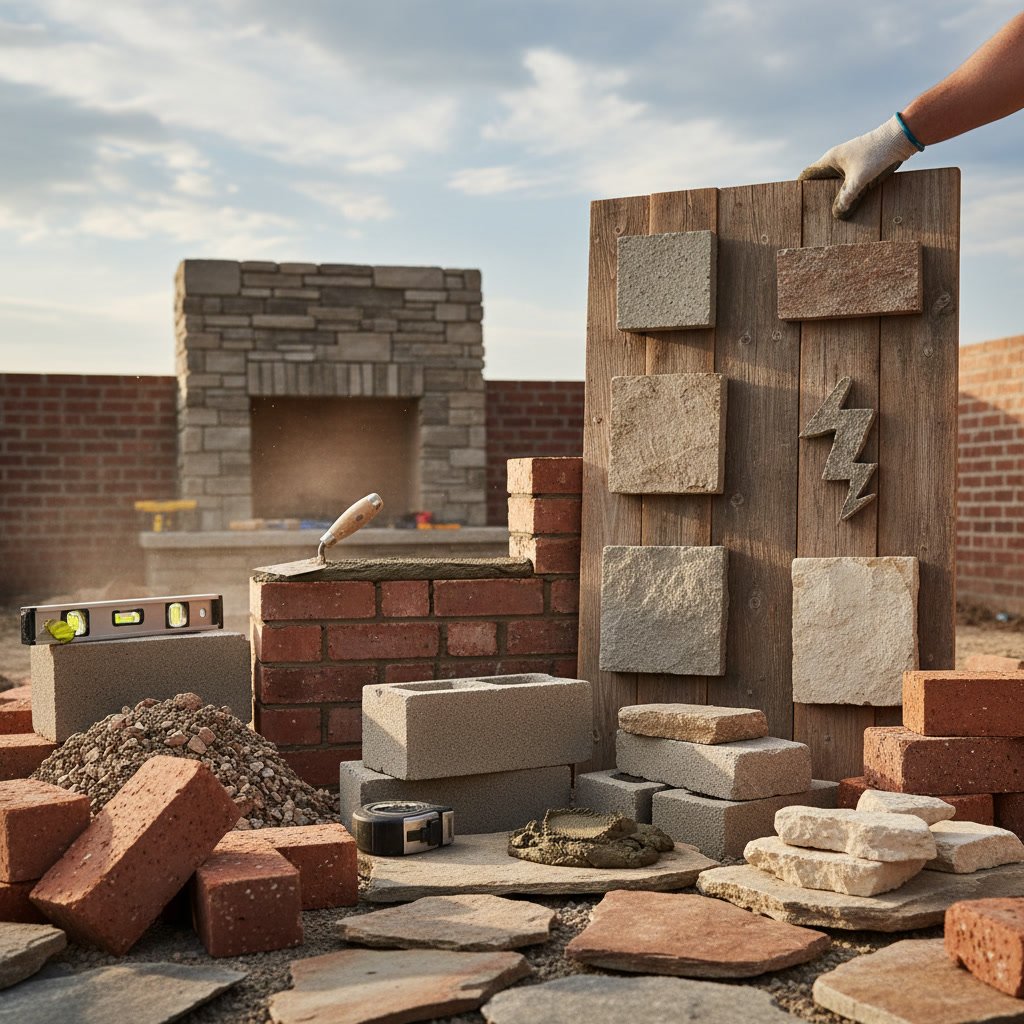
Certain repairs require specialized equipment that homeowners rarely own. Refractory cement differs significantly from standard mortar and requires specific mixing ratios and application techniques. Chimney liners need proper sizing, insulation, and connection methods that require professional tools and certification. If the repair requires renting expensive equipment or purchasing specialty materials you will never use again, professional service usually costs less overall.
High-temperature sealants, proper scaffolding for chimney access, flue sizing calculators, and smoke testing equipment represent investments that only make sense for professionals who use them regularly. Attempting to substitute household products or improvise professional-grade tools often produces substandard results that fail quickly or create safety hazards.
How Professionals Diagnose Problems You Might Miss
Experienced masons recognize patterns of damage that indicate underlying issues. A crack in the firebox might result from foundation settlement, improper original construction, or a manufacturing defect in the firebrick. Each cause requires a different solution. Homeowners typically address only the visible symptom, leaving the root cause to create new damage.
Thermal imaging cameras reveal heat loss patterns and hidden structural problems invisible to the naked eye. Smoke tests identify draft issues and unexpected air leaks. Video inspection equipment examines the full length of chimney flues, finding obstructions or damage in areas you cannot see from either end. These diagnostic capabilities come from decades of experience and professional-grade equipment that deliver accurate assessments the first time.
Understanding the complete scope of work prevents partial repairs that waste money. A section of damaged chimney bricks might seem isolated, but professional inspection often reveals that moisture has affected a much larger area. Repairing only the visible damage while leaving compromised bricks in place guarantees you will face another repair project within months. Comprehensive professional assessment identifies all affected areas, allowing complete repair in a single project.
Protecting Your Home and Family Through Expert Fireplace Care
Simple cleaning and basic maintenance keep your fireplace functioning safely between professional inspections. Annual professional inspections catch developing problems before they become dangerous or expensive. This combination of homeowner diligence and expert oversight provides the best protection for your investment and your family’s safety.
Knowing your limits protects you from expensive mistakes and dangerous situations. Clean your firebox, maintain glass doors, and monitor for obvious problems. Leave structural work, mortar repairs, chimney maintenance, and anything involving the flue system to licensed professionals who carry insurance and stand behind their work with warranties.
Your fireplace deserves the same level of professional care as your roof or foundation. Small problems caught early cost far less to repair than major structural failures that develop from neglected maintenance. Regular professional inspections combined with appropriate DIY upkeep create a maintenance strategy that maximizes both safety and value.
Marck Pecoraro Masonry brings over 40 years of specialized experience to every fireplace and chimney project. Whether you need a professional assessment of damage you have discovered, routine maintenance to prevent problems, or expert repairs to restore safety and function, our team delivers the craftsmanship and attention to detail your home deserves. Call +15619510233 to schedule an inspection and receive honest guidance on the best path forward for your fireplace system.