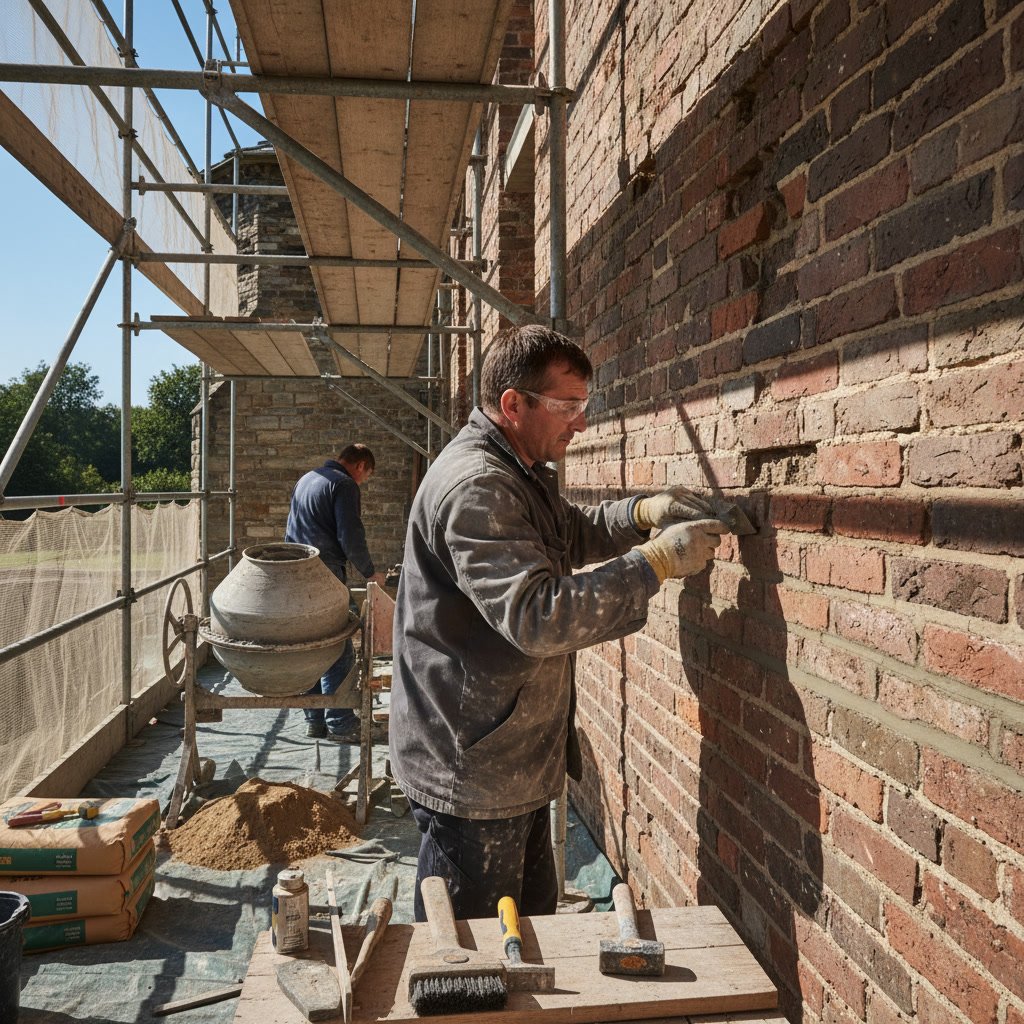
The masonry repair process follows a careful sequence of steps designed to restore structural integrity while maintaining aesthetic appeal. Professional masons begin with a thorough inspection to identify damage, then develop a detailed repair plan, source matching materials, execute skilled repairs, and complete comprehensive cleanup. Understanding each phase helps property owners prepare for the work and ensures realistic expectations throughout the project.
Why Professional Masonry Assessment Matters
Before any physical work begins, a qualified mason must evaluate the full extent of damage. Surface cracks often signal deeper structural issues that untrained eyes miss. Water infiltration, foundation settlement, and thermal expansion can all cause visible symptoms that require expert interpretation.
Professional assessment goes beyond identifying obvious defects. Experienced masons examine adjacent areas to determine whether isolated damage represents a localized problem or indicates widespread structural concerns. This comprehensive evaluation prevents the common mistake of treating symptoms while ignoring underlying causes.
During this phase, the mason documents damage locations, measures crack widths, tests mortar hardness, and checks for plumb and level deviations. These measurements inform the repair strategy and help establish accurate project timelines and material requirements.
How Damage Patterns Tell a Story
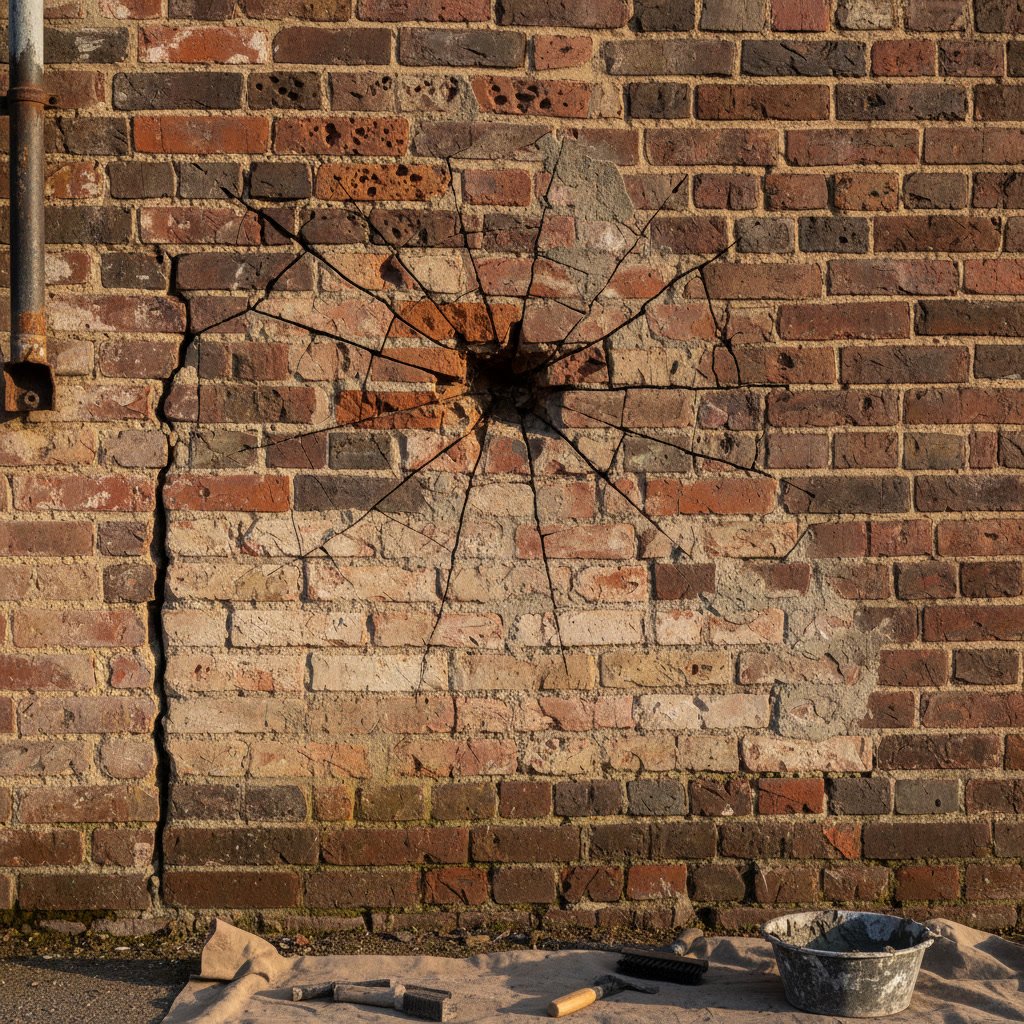
Different crack patterns reveal specific structural issues. Horizontal cracks in foundation walls typically indicate soil pressure problems, while stair-step cracks along mortar joints suggest settlement or expansion issues. Vertical cracks near corners often result from thermal movement or inadequate control joints.
Spalling brick surfaces where the face layer breaks away usually signals water penetration and freeze-thaw cycles. Efflorescence, those white crystalline deposits on masonry surfaces, indicates moisture migration through the wall assembly. Each symptom requires a tailored repair approach that addresses the root cause, not just the visible damage.
Preparing the Work Area for Safe Repairs
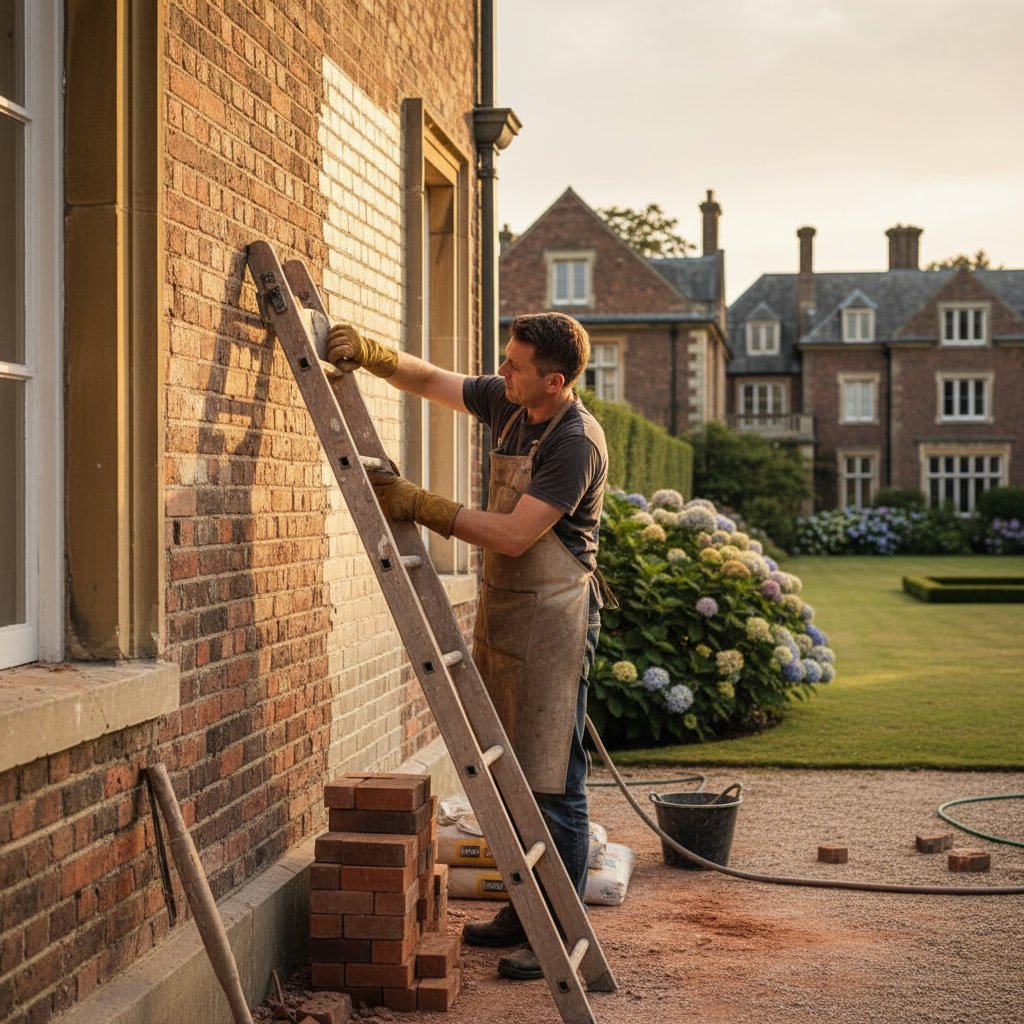
Once the assessment concludes and you approve the repair plan, preparation work begins. Proper site preparation protects your property and ensures worker safety. For exterior repairs, this includes establishing work zones, protecting landscaping with plywood or tarps, and setting up scaffolding or work platforms for elevated areas.
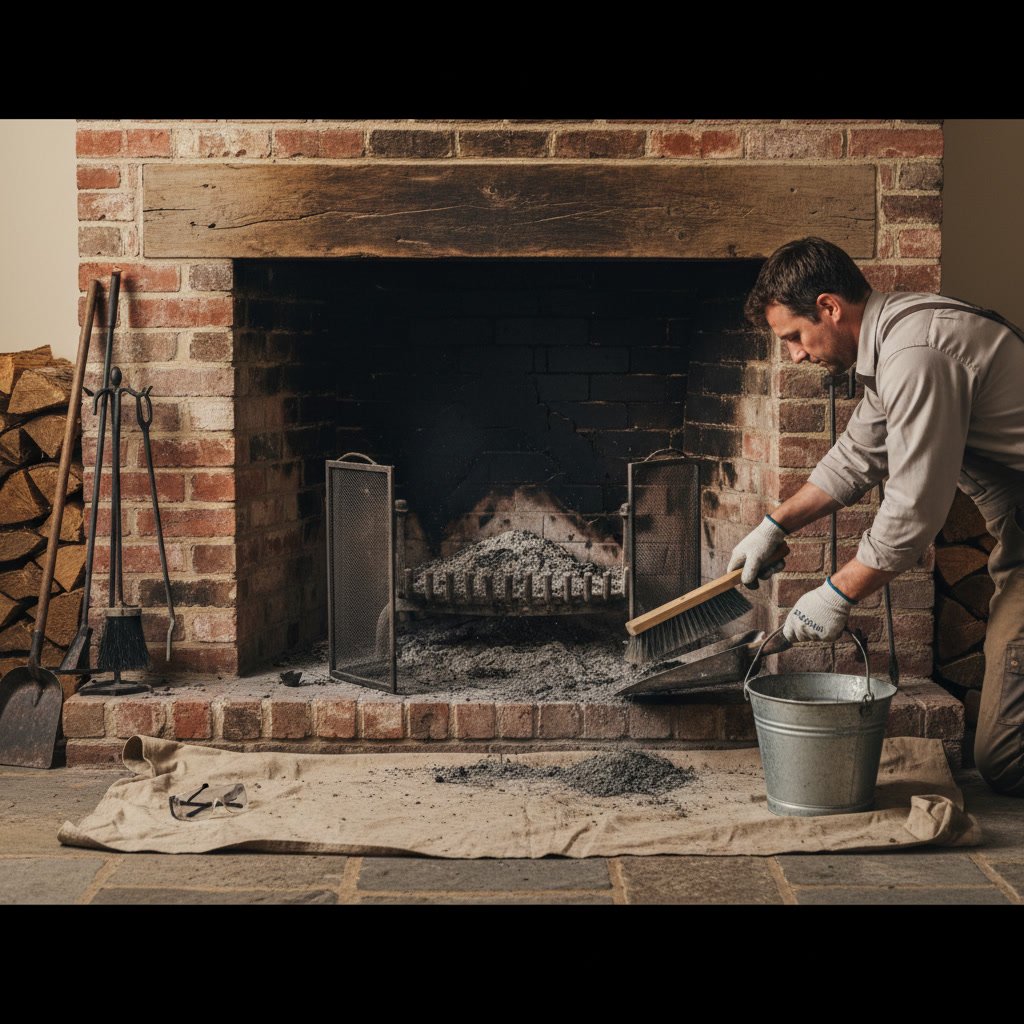
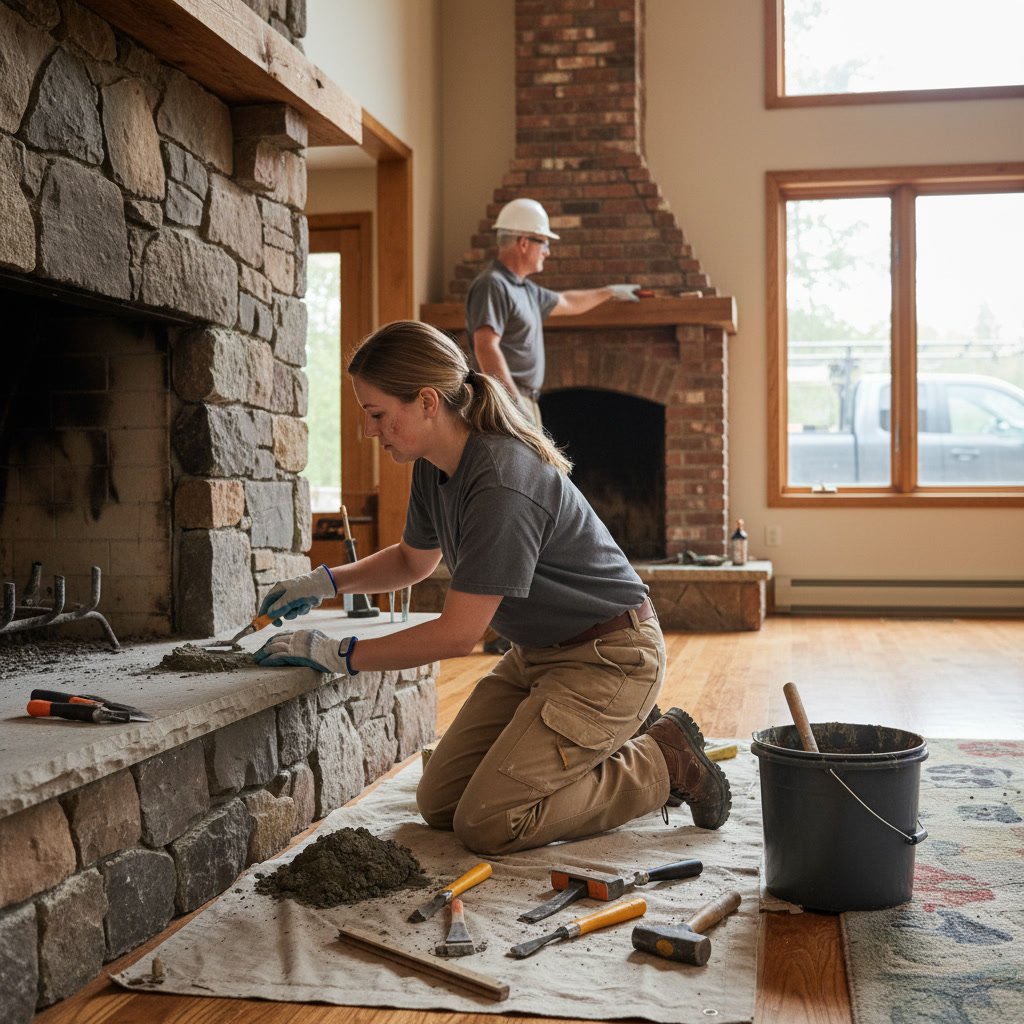
Interior repairs for features like fireplaces or chimneys require floor and furniture protection. Drop cloths, plastic sheeting, and temporary barriers contain dust and debris. Adequate ventilation becomes critical when working with mortar mixing or during grinding operations that generate silica dust.
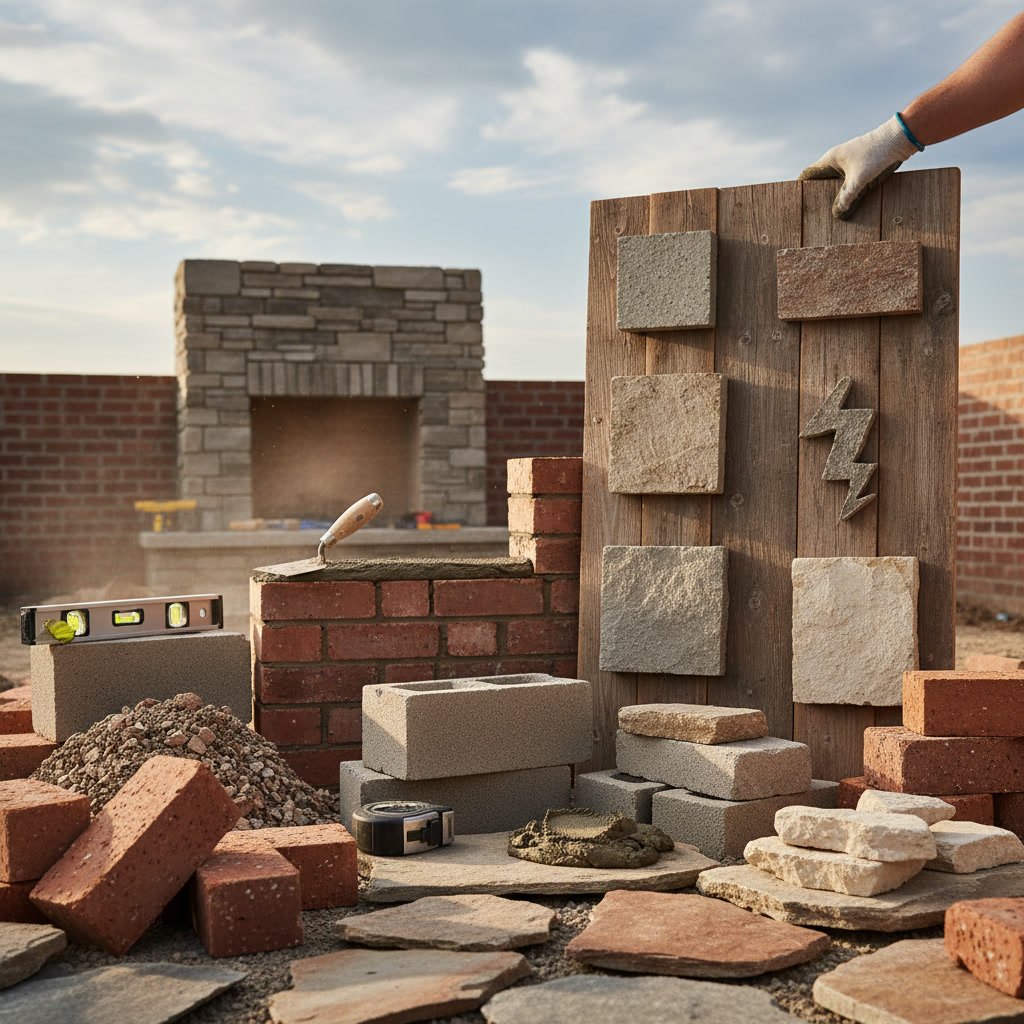
The mason also stages materials near the work area. This includes matching brick, stone, or block units, appropriate mortar mixes, reinforcement materials, and specialized tools. Efficient material staging minimizes disruption and keeps the project moving smoothly.
Removing Damaged Materials Without Causing Further Harm
Selective demolition requires precision and restraint. The goal is removing only compromised materials while preserving sound surrounding masonry. Rushing this phase or using excessive force can crack adjacent units or disturb structural connections.
Masons typically begin by removing deteriorated mortar joints using grinders with diamond blades or hand tools like cold chisels. The depth of removal depends on the extent of deterioration, but typically extends at least three-quarters of an inch into the joint for proper bonding of new mortar.
When brick or stone replacement is necessary, the mason carefully removes damaged units by drilling relief holes, breaking internal bonds, and extracting pieces without disturbing neighboring units. This careful approach maintains the integrity of the remaining wall assembly.
Matching Materials for Invisible Repairs in Palm Beach
Finding exact material matches presents one of the biggest challenges in masonry repairs. Brick manufacturers discontinue product lines, quarries exhaust stone deposits, and mortar formulations change over time. Your property in Palm Beach may feature materials that are no longer commercially available.
Experienced masons maintain relationships with specialty suppliers who stock reclaimed materials or can custom-match existing units. For mortar, achieving the right color and texture requires analyzing the existing mix to determine sand gradation, cement content, and any pigments used.
Beyond visual matching, performance characteristics matter equally. Repair mortars must match or slightly underperform the strength of existing mortar. Using modern Portland cement mortars in older walls built with softer lime mortars creates stress concentrations that accelerate deterioration.
The Six Critical Steps of Proper Mortar Application
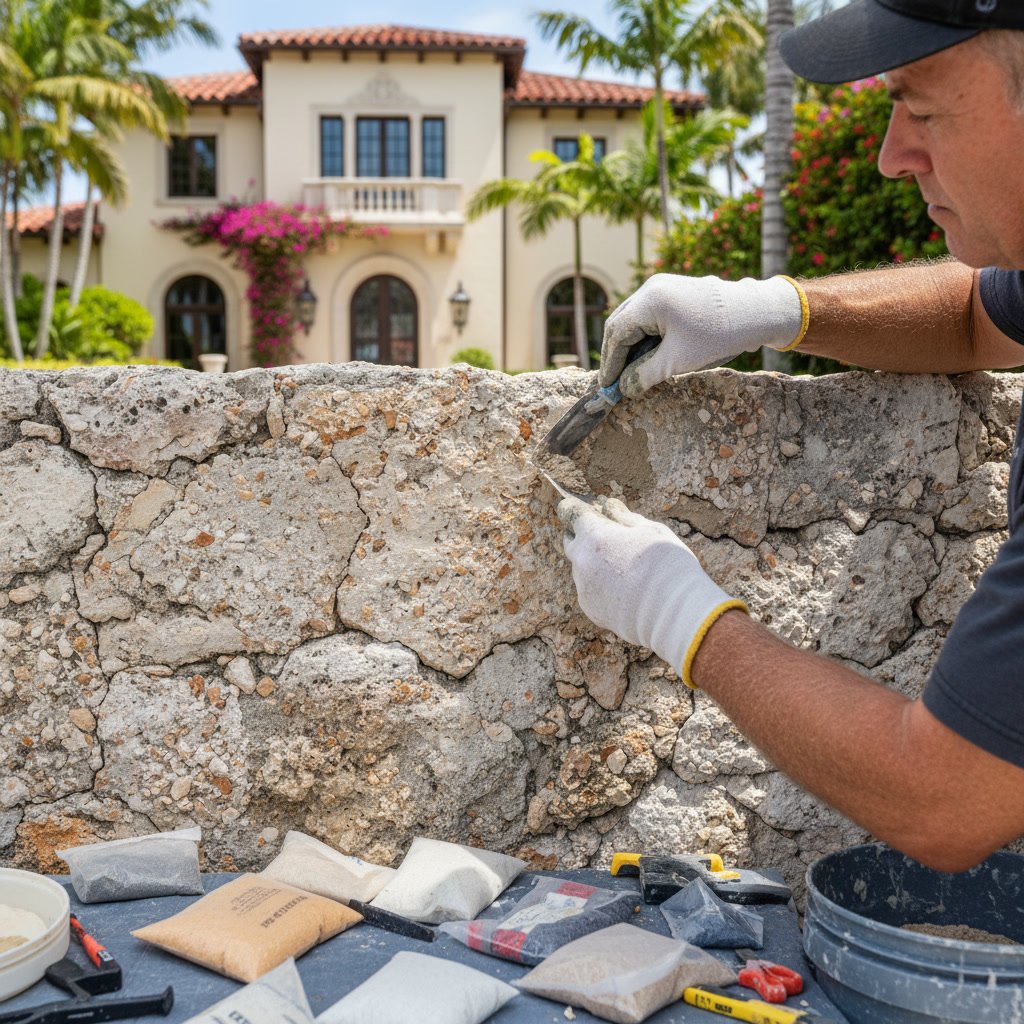
Repointing mortar joints follows a specific sequence that ensures durability and weather resistance. First, the mason dampens cleaned joints with a fine mist to prevent rapid moisture loss from fresh mortar. Dry substrates pull water from new mortar before proper hydration occurs, resulting in weak bonds.
Second, the mason packs mortar firmly into joints using a pointing trowel, filling voids completely and eliminating air pockets. Third, once the mortar reaches thumbnail hardness, the mason tools the joint to match the existing profile, whether concave, weathered, flush, or another style.
Fourth, the mason brushes away loose particles without smearing mortar onto brick faces. Fifth, proper curing requires keeping the fresh mortar damp for 72 hours, either through misting or damp burlap coverage. Sixth and finally, the mason removes any remaining haze or residue with appropriate cleaning methods.
This systematic approach, refined through decades of practice, ensures repairs that will perform for decades rather than failing within a few seasons.
Rebuilding Structural Elements That Bear Weight
When repairs involve load-bearing elements, temporary support becomes essential. Masonry walls, columns, and arches carry significant weight that must be safely transferred during reconstruction. Masons install temporary shoring using adjustable steel posts, heavy timbers, or engineered support systems designed for the specific load conditions.
Rebuilding proceeds in controlled sections, never removing more material than can be safely supported and reconstructed in a single work session. For larger structural repairs, the work may span multiple days with each section fully cured before adjacent areas are disturbed.
Reinforcement installation often accompanies structural repairs. This may include wall ties connecting masonry veneer to backup walls, horizontal joint reinforcement to control cracking, or vertical reinforcing bars grouted into cores of block walls.
Testing and Verification Before Declaring Work Complete
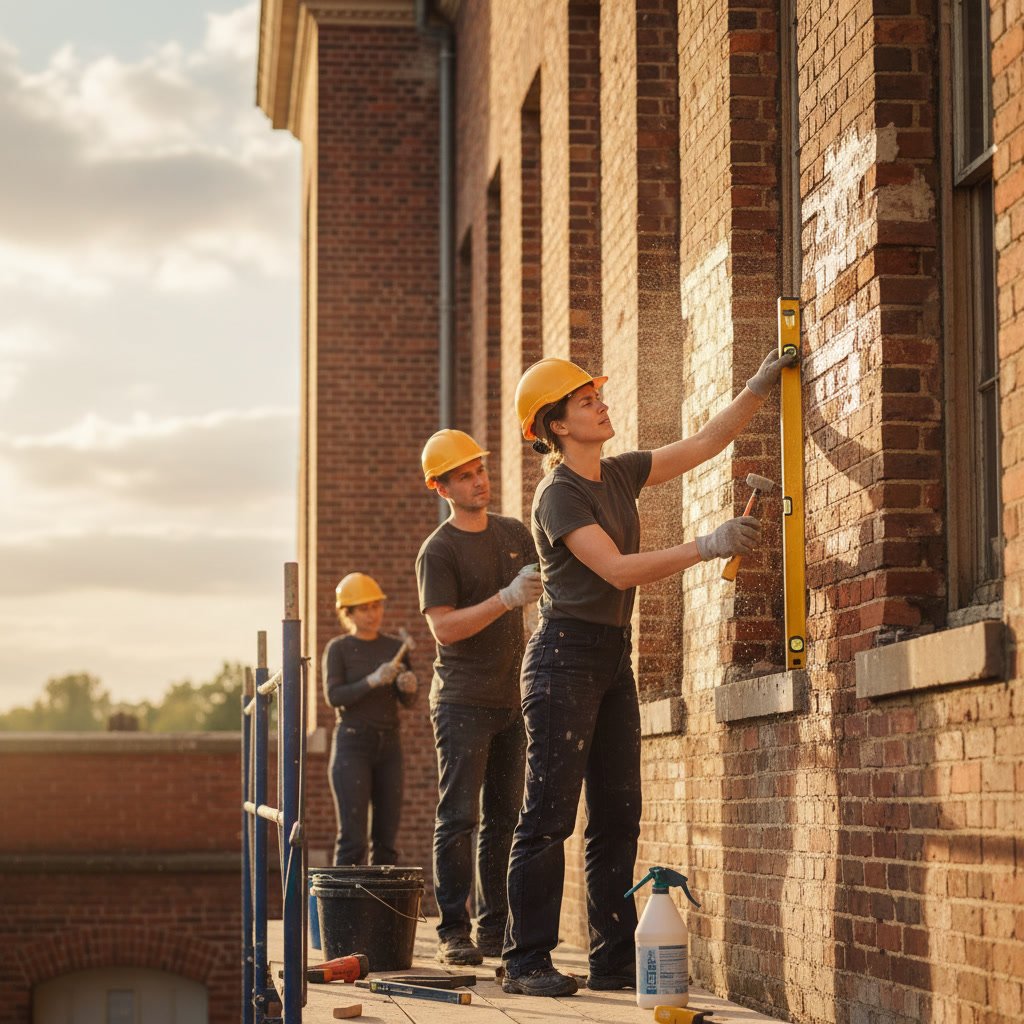
Quality assurance doesn’t wait until the end of the project. Skilled masons inspect their work continuously throughout each phase, checking for proper bond, correct joint profiles, and structural alignment. However, final verification involves specific tests and inspections.
For repointing work, the mason verifies that all joints are fully packed with no voids or gaps that could admit water. Rebuilt sections are checked for plumb, level, and proper coursing. Any waterproofing applications receive careful inspection to ensure complete coverage without holidays or thin spots.
Some projects may require formal testing such as flood testing for parapet walls, thermal imaging to verify insulation continuity, or structural load testing for rebuilt lintels or arches. These verifications provide documented proof that repairs meet performance standards.
Cleanup Standards That Protect Your Property
Professional cleanup extends well beyond sweeping up obvious debris. Mortar dust settles on surfaces dozens of feet from the work area. Overspray from cleaning operations can stain adjacent materials. Scattered brick chips can damage lawn equipment or puncture tires.
Thorough cleanup includes removing all waste materials, vacuuming fine dust from horizontal surfaces, properly disposing of old mortar and broken masonry units, and restoring landscaping disturbed during access or staging. Windows and doors near the work area receive cleaning to remove construction dust.
The mason also removes all protective coverings, breaks down scaffolding or work platforms, and conducts a final walk-through to ensure the site matches or exceeds its pre-construction condition. This attention to detail separates professional contractors from those who simply complete the technical work and leave.
Documentation That Adds Value to Your Property
Before-and-after photographs document the transformation and provide valuable records for property files. Detailed invoices that specify materials used, areas repaired, and techniques employed help future contractors understand what work has been completed.
For significant structural repairs, documentation may include engineering calculations, material certifications, test results, and warranty information. These records prove especially valuable during property sales, insurance claims, or future renovation planning. Maintaining organized construction records protects your investment and simplifies future maintenance decisions.
Maintaining Repairs for Decades of Performance
Even expertly executed repairs require ongoing attention to achieve their full service life. New mortar reaches full strength over 28 days but continues subtle curing for months. During this period, avoid pressure washing or applying sealers that could trap residual moisture.
Annual inspections catch small problems before they escalate into major repairs. Check mortar joints for new cracks, monitor brick faces for spalling, and ensure drainage systems keep water away from masonry surfaces. Regular masonry maintenance extends the intervals between major repair projects and preserves your property’s structural integrity and appearance.
Understanding the complete repair process from initial assessment through long-term maintenance helps you make informed decisions about your masonry needs. Each phase builds on the previous one, creating repairs that restore both function and beauty. Quality workmanship during every step ensures your masonry elements will continue performing their protective and aesthetic roles for generations.
Marck Pecoraro Masonry brings over four decades of hands-on experience to every repair project, combining traditional craftsmanship with modern materials and methods. Whether you need minor repointing or major structural reconstruction, professional assessment and skilled execution make the difference between temporary patches and lasting solutions. Contact us at +15619510233 to schedule an inspection and receive a detailed repair plan tailored to your property’s specific needs.