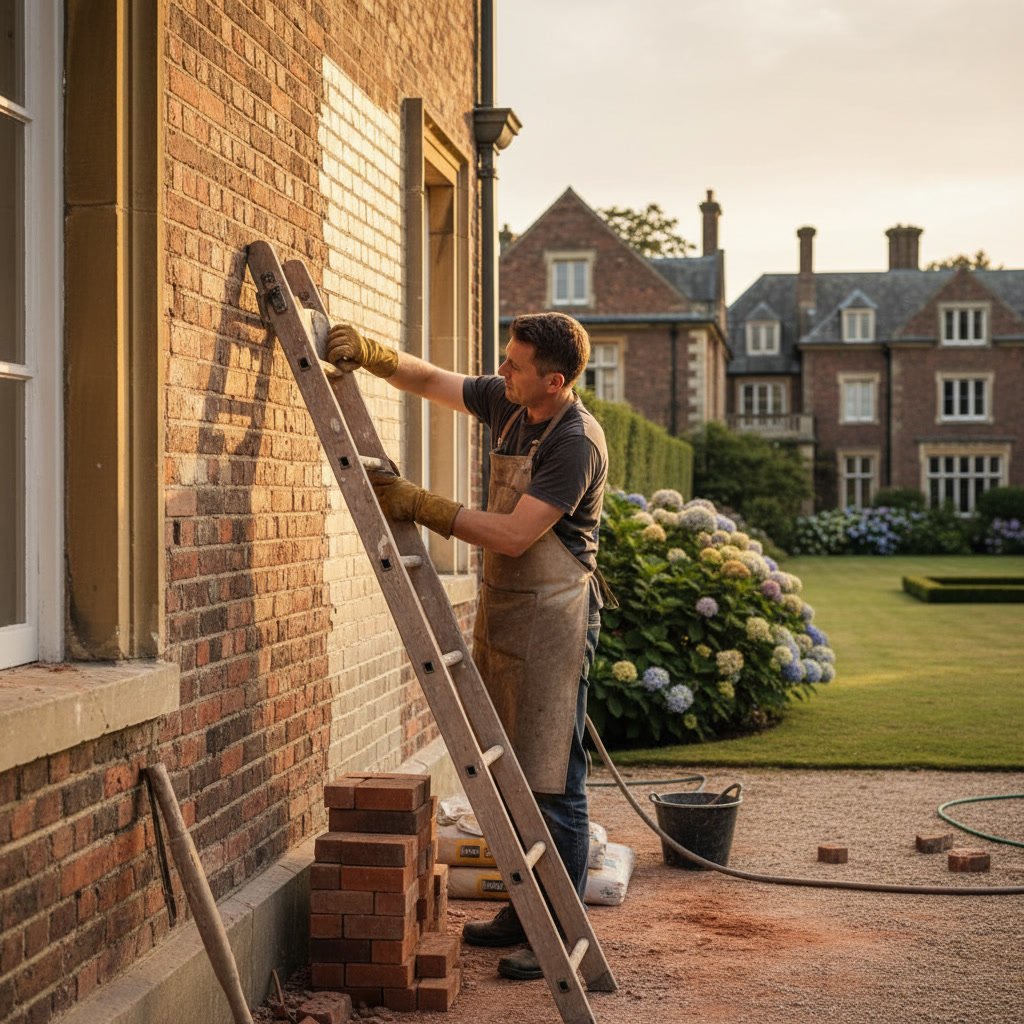
Regular masonry care delivers measurable masonry maintenance benefits that can add 30 to 50 years to the lifespan of brick and stone structures. Preventive maintenance stops minor surface damage from becoming costly structural failures, protects against water infiltration that causes freeze-thaw cycles, and preserves the aesthetic value of your property. Investing in scheduled inspections and timely repairs costs a fraction of what emergency reconstruction demands.
Why Brick and Stone Deteriorate Over Time
Masonry materials are durable, but they are not invincible. Brick, stone, and mortar all respond to environmental stress. South Florida’s climate brings intense sun, humidity, salt air near the coast, and seasonal rain that saturates porous surfaces. Over years, these forces break down the protective outer layer of masonry units and compromise the mortar joints that hold everything together.
Thermal expansion and contraction cause microscopic fractures. When water enters these tiny cracks and evaporates repeatedly, it leaves behind mineral deposits that widen the gaps. Mortar degrades faster than the brick or stone it surrounds, creating weak points that invite moisture deeper into the wall. Once water reaches the interior, it can corrode metal reinforcements, stain surfaces, and promote mold growth.
The Role of Regular Inspections in Preventing Damage
Scheduled inspections catch problems when they are still easy to fix. A trained eye identifies hairline cracks, loose mortar, efflorescence, and shifts in alignment that homeowners often overlook. Inspections should occur at least once every two years, or annually for structures older than 30 years or exposed to harsh weather.
During an inspection, a professional examines mortar joints for erosion, tests the bond between brick and mortar, checks for spalling or flaking on stone surfaces, and looks for signs of water damage such as discoloration or algae growth. Early detection means a simple repointing job instead of a full wall rebuild. Neglecting these signals can turn a $500 repair into a $15,000 restoration project.
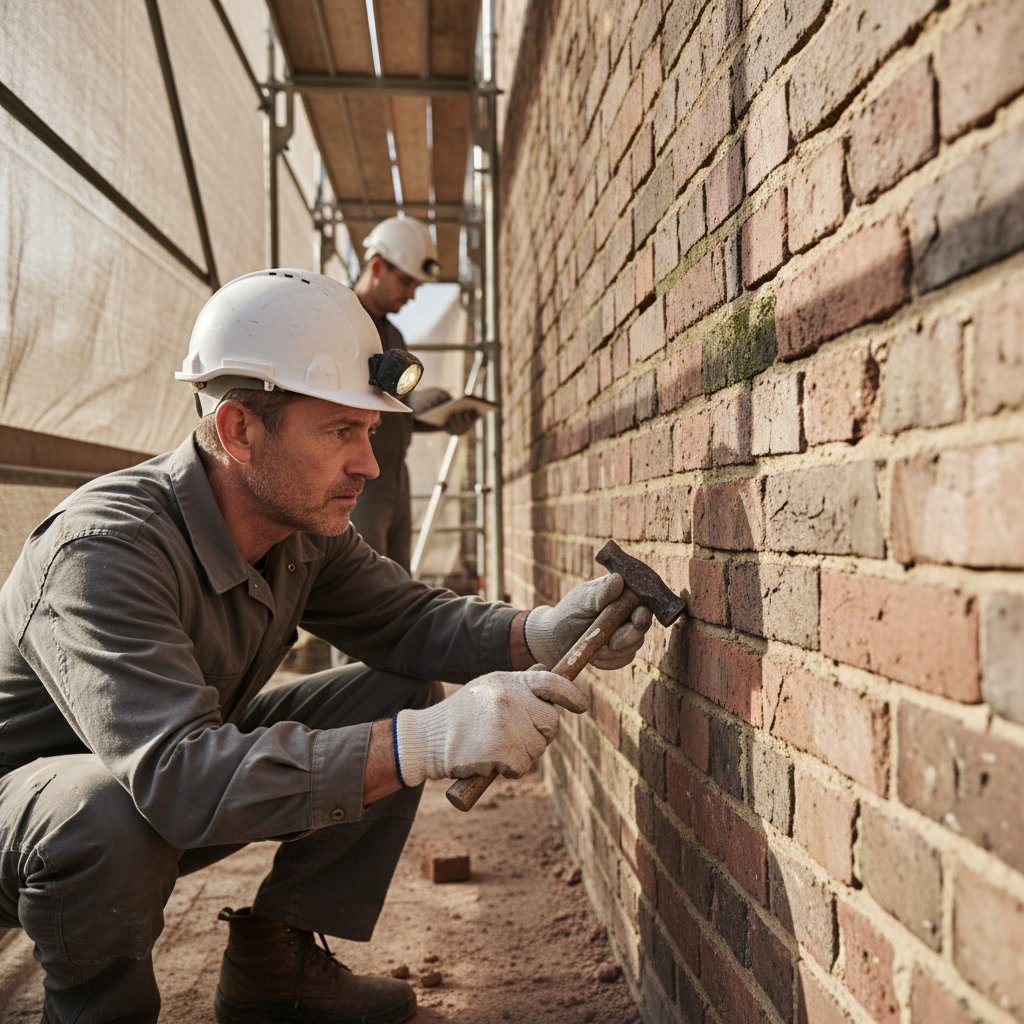
How Repointing and Tuckpointing Restore Structural Integrity
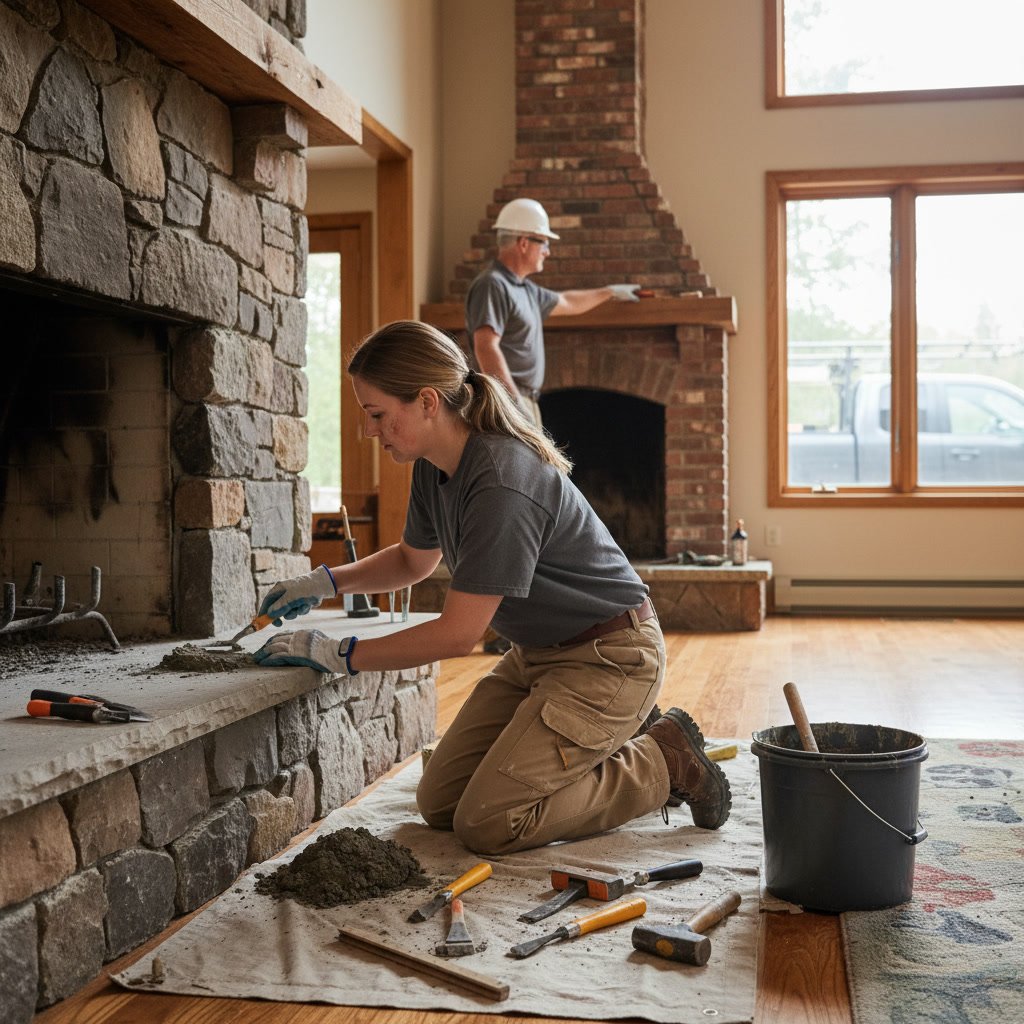
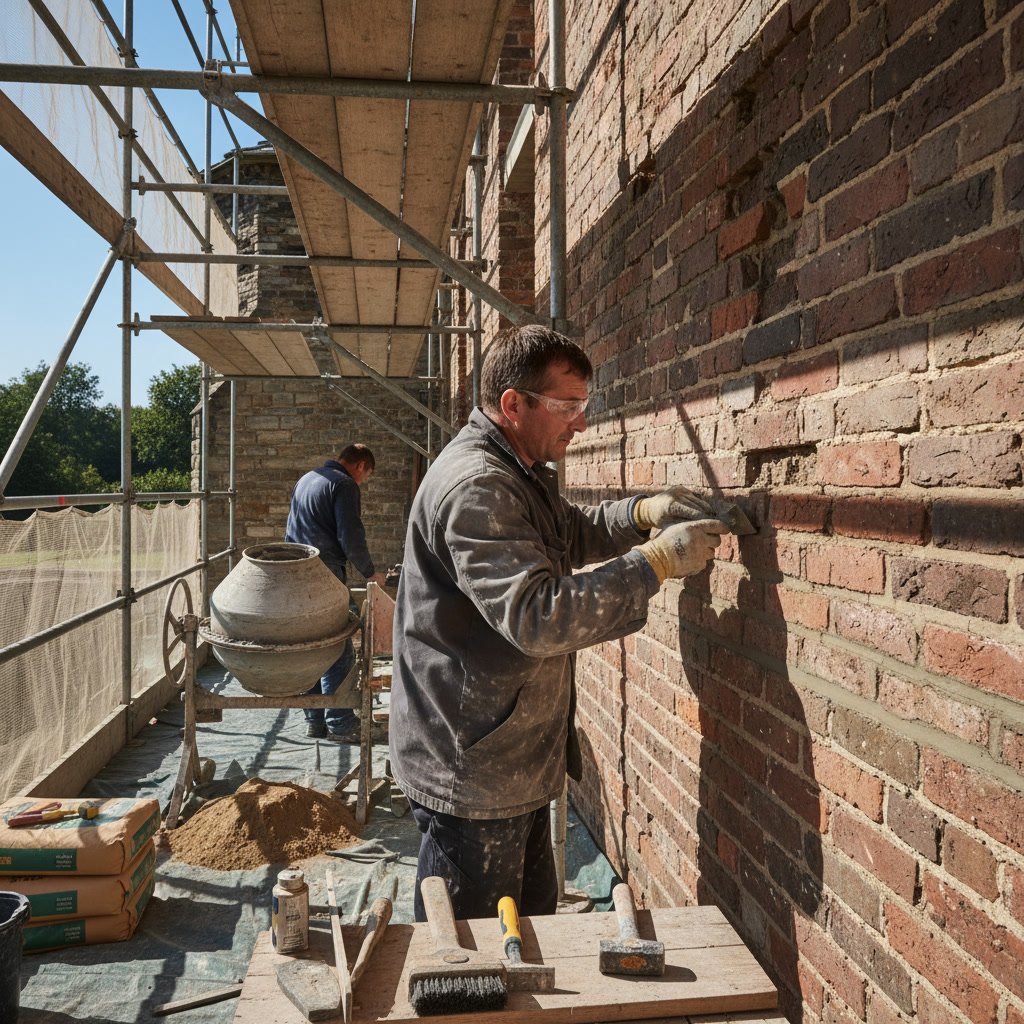
Repointing replaces deteriorated mortar with fresh material that matches the original in composition, color, and strength. This process is not cosmetic. It restores the weatherproof seal that keeps water out and maintains the load distribution across the wall. When mortar crumbles, bricks or stones lose their support and can shift, crack, or fall out entirely.
Tuckpointing takes repointing a step further by creating a sharp, clean appearance with contrasting mortar lines. Both techniques require precise mixing of mortar to match the hardness of the surrounding masonry. Using mortar that is too hard can cause the brick to crack under stress, while mortar that is too soft erodes quickly. Professional masonry maintenance ensures the right balance for long-term performance.
Sealing and Waterproofing to Block Moisture Intrusion
Water is the primary enemy of masonry. Sealing brick and stone surfaces with a breathable masonry sealer creates a barrier that repels rain while allowing trapped moisture to escape. Non-breathable sealers trap water inside the wall, leading to spalling, efflorescence, and freeze damage in cooler months.
Waterproofing treatments are particularly important for chimneys, retaining walls, and foundations that face constant moisture exposure. Proper application requires clean, dry surfaces and the right product for the specific masonry type. Sealed surfaces last two to three times longer than untreated ones, and the cost of sealing is minimal compared to the expense of replacing water-damaged masonry.
Cleaning Methods That Preserve Surface Integrity
Dirt, mold, algae, and efflorescence not only look bad but also accelerate deterioration. Efflorescence, the white powdery deposit that appears on masonry, signals that water is moving through the wall and carrying salts to the surface. If left untreated, it can weaken mortar and stain surfaces permanently.
Professional cleaning uses low-pressure washing, chemical treatments tailored to the stain type, and hand brushing for delicate surfaces. High-pressure washing can strip mortar, damage soft brick, and force water deep into the wall where it causes hidden damage. The right cleaning method depends on the masonry material, the type of stain, and the age of the structure. Harsh acids can etch stone, while gentle alkaline cleaners remove organic growth without harm.
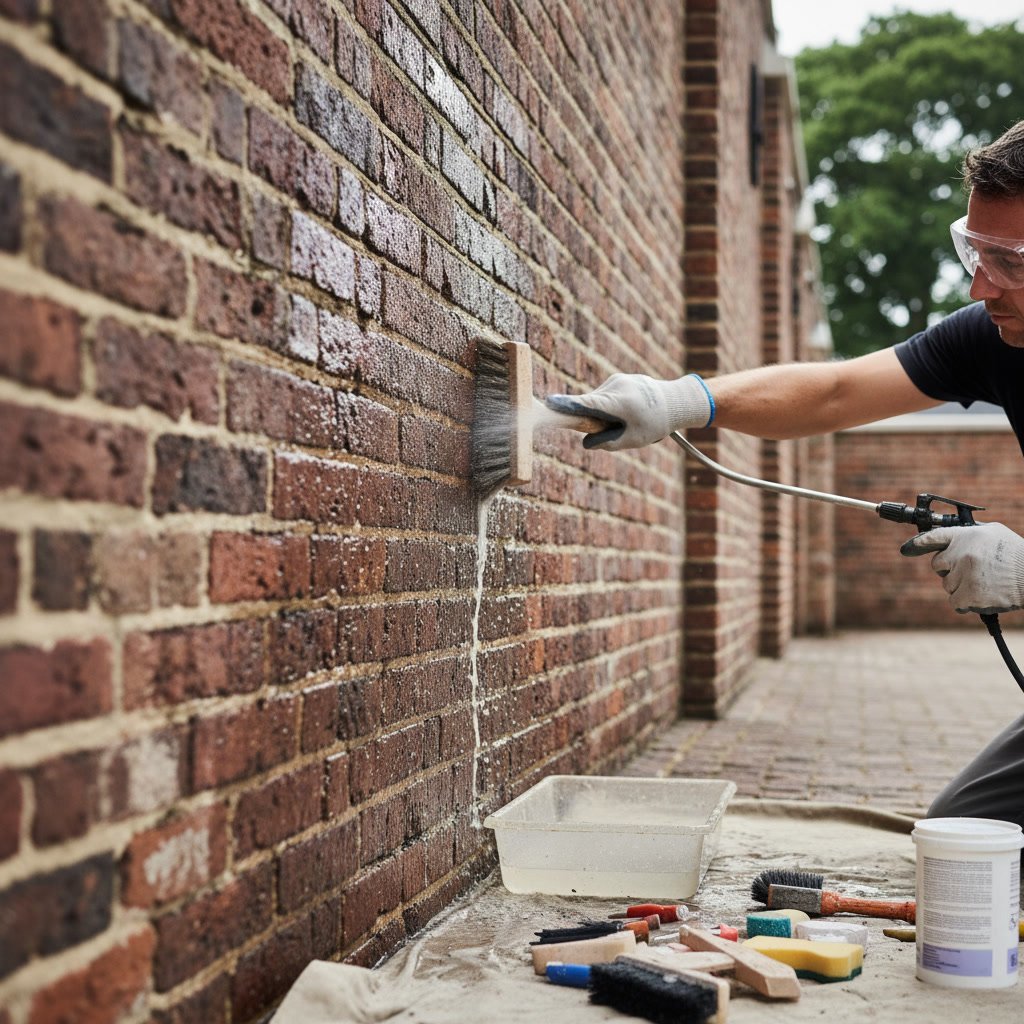
Addressing Cracks Before They Compromise the Structure
A crack smaller than one-eighth of an inch might seem harmless, but it is an open door for water. Once water enters, it expands when temperatures drop, widening the crack and creating a cycle of progressive damage. Vertical cracks often indicate settling or thermal movement, while horizontal or stair-step cracks can signal foundation issues or excessive load.
Repairing cracks involves cleaning out loose debris, filling with the appropriate mortar or sealant, and sometimes installing structural reinforcements like helical ties or carbon fiber straps. Ignoring a minor crack today can lead to bowing walls, collapsed sections, or the need for complete demolition and reconstruction. Understanding what happens during a masonry repair job from start to finish helps homeowners appreciate the importance of early intervention.
The Financial Advantage of Preventive Maintenance
Preventive maintenance costs a fraction of emergency repairs. Annual or biennial maintenance visits typically range from $300 to $800, depending on the size and condition of the structure. In contrast, rebuilding a collapsed chimney or replacing a deteriorated foundation wall can cost $10,000 to $30,000 or more.
Maintained masonry also protects property value. Buyers notice cracked brickwork, stained facades, and crumbling mortar. A well-maintained exterior signals that the home has been cared for, while visible damage raises red flags and lowers offers. Regular upkeep preserves curb appeal and avoids the costly surprises that surface during pre-sale inspections.
Specialized Care for Fireplaces and Chimneys in Palm Beach
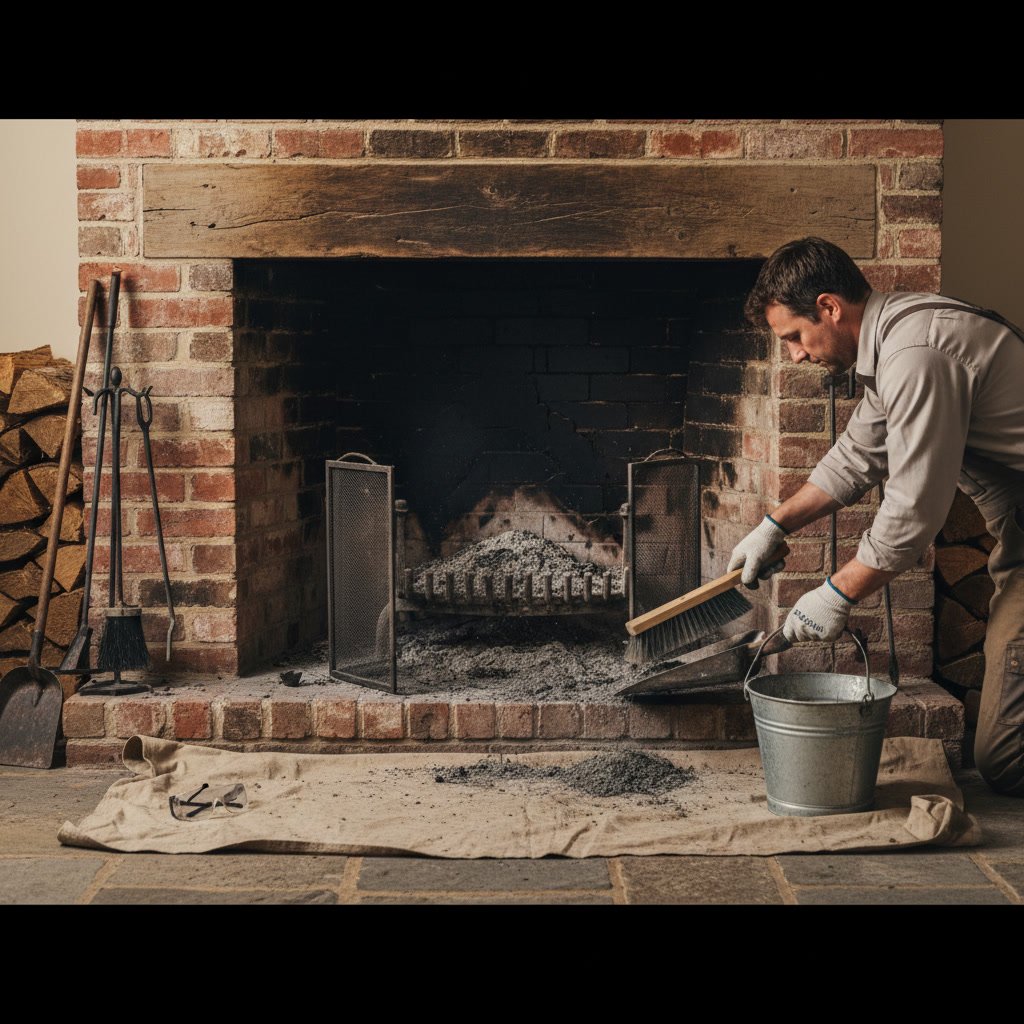
Fireplaces and chimneys face unique stresses. Heat, smoke, creosote buildup, and exposure to rain and wind accelerate wear. Chimney crowns crack, flashing fails, and mortar joints erode faster than on standard walls. Without regular maintenance, water enters through the crown, runs down the flue, and damages the firebox, dampers, and interior walls.
Professional maintenance includes inspecting the chimney cap, crown, flashing, and flue liner, cleaning out creosote and debris, repointing damaged mortar, and applying waterproof sealers to the crown and exterior surfaces. Marck Pecoraro Masonry provides meticulous care for these critical structures, ensuring safe operation and long service life. Homeowners who maintain their fireplaces and chimneys avoid the dangerous carbon monoxide leaks and house fires that result from neglect.
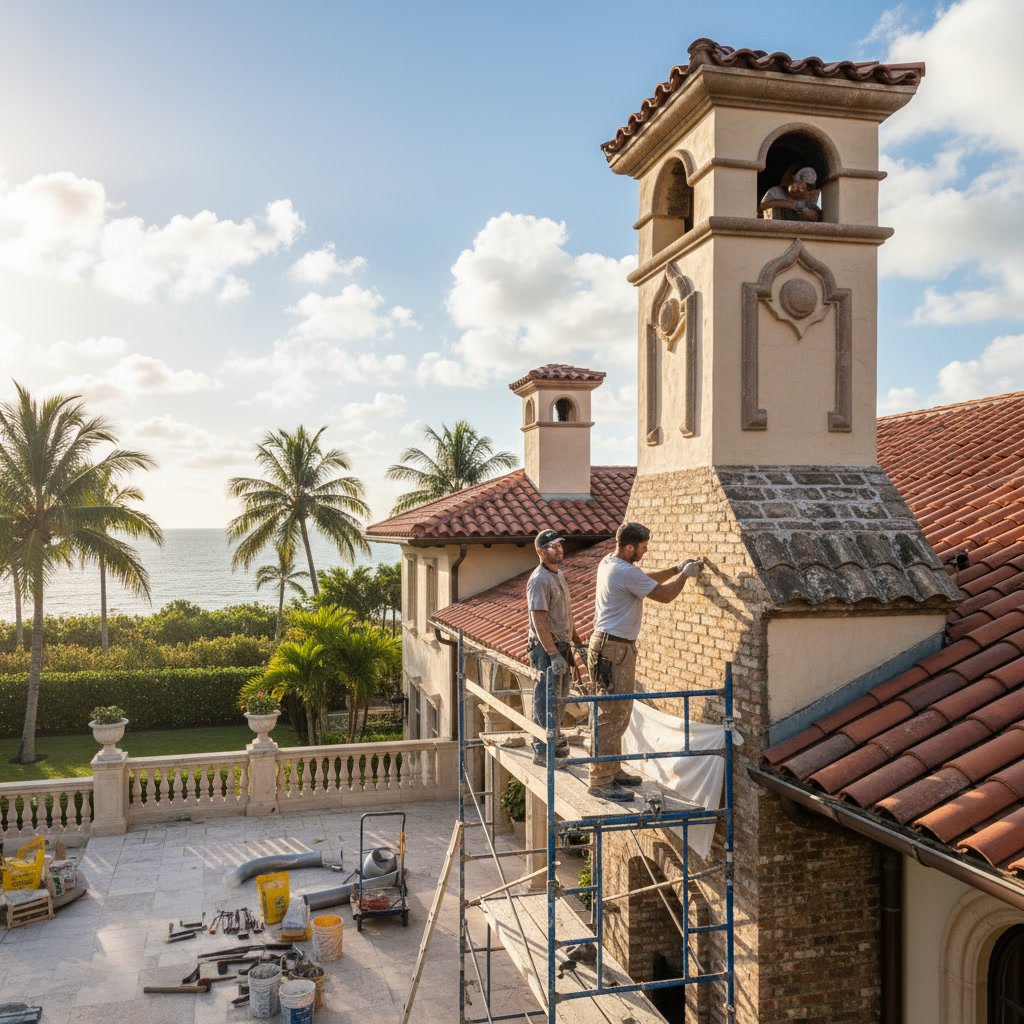
Protecting Historic and Decorative Masonry
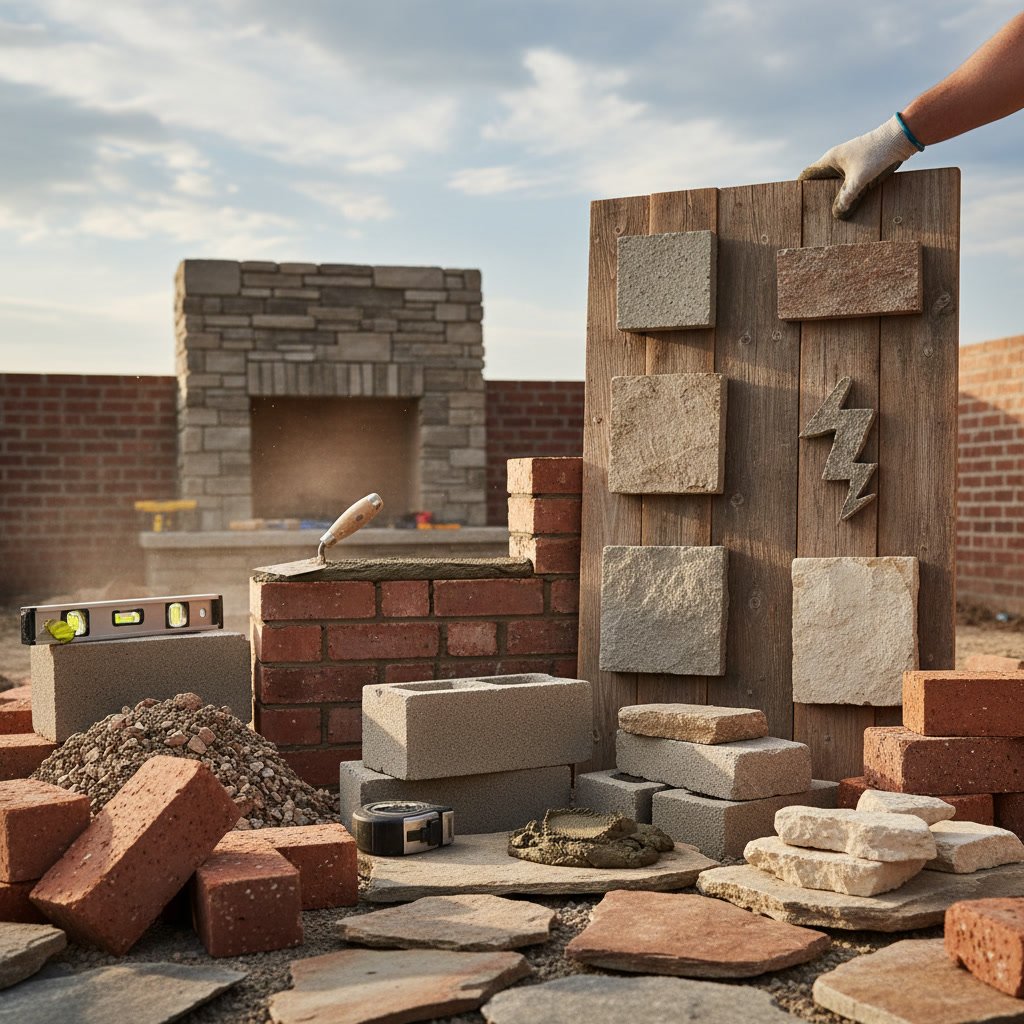
Historic homes and buildings with ornamental brickwork or stonework require extra care. Original materials and construction techniques differ from modern standards, and inappropriate repairs can cause irreversible damage. Soft lime mortar, handmade brick, and natural stone demand specialized knowledge and materials that match the original composition.
Restoration projects must respect the building’s heritage while ensuring structural safety. This means using period-appropriate mortar mixes, avoiding harsh cleaning chemicals, and replicating original construction methods. Professional masons who understand historic preservation techniques can extend the life of these irreplaceable structures by decades, maintaining both their beauty and their historical integrity.
Maintenance Schedules Tailored to Climate and Exposure
Not all masonry needs the same maintenance frequency. Coastal properties face salt spray that accelerates corrosion and erosion, requiring annual inspections and more frequent sealing. Structures in full sun experience more thermal stress than shaded walls. Retaining walls and foundations in constant contact with soil and groundwater need vigilant monitoring for drainage issues and hydrostatic pressure damage.
A tailored maintenance schedule accounts for these variables. Chimneys in active use need annual inspections before heating season. Exterior walls benefit from biennial inspections and cleaning every three to five years. Decorative stonework and stone features exposed to irrigation overspray may need more frequent attention to prevent mineral buildup and algae growth. Working with an experienced masonry professional ensures that your maintenance plan matches your property’s specific needs.
Partnering With Experienced Professionals for Lasting Results
Quality masonry maintenance requires more than basic handyman skills. It demands knowledge of materials, structural principles, local building codes, and proper repair techniques. Marck Pecoraro Masonry brings over four decades of hands-on experience to every project, ensuring that repairs are done right the first time and that preventive measures protect your investment for years to come.
Choosing the right masonry professional means looking for proven expertise, attention to detail, and a commitment to using the correct materials and methods. Cutting corners with mismatched mortar, improper sealing, or quick cosmetic fixes only delays the inevitable and often makes the final repair more expensive. Professional maintenance delivers peace of mind, structural safety, and the long-term performance that brick and stone are known for.
If your brick or stone structures show signs of wear, or if it has been more than two years since your last professional inspection, now is the time to act. Reach out to +15619510233 to schedule a comprehensive evaluation and protect your masonry investment with expert care.