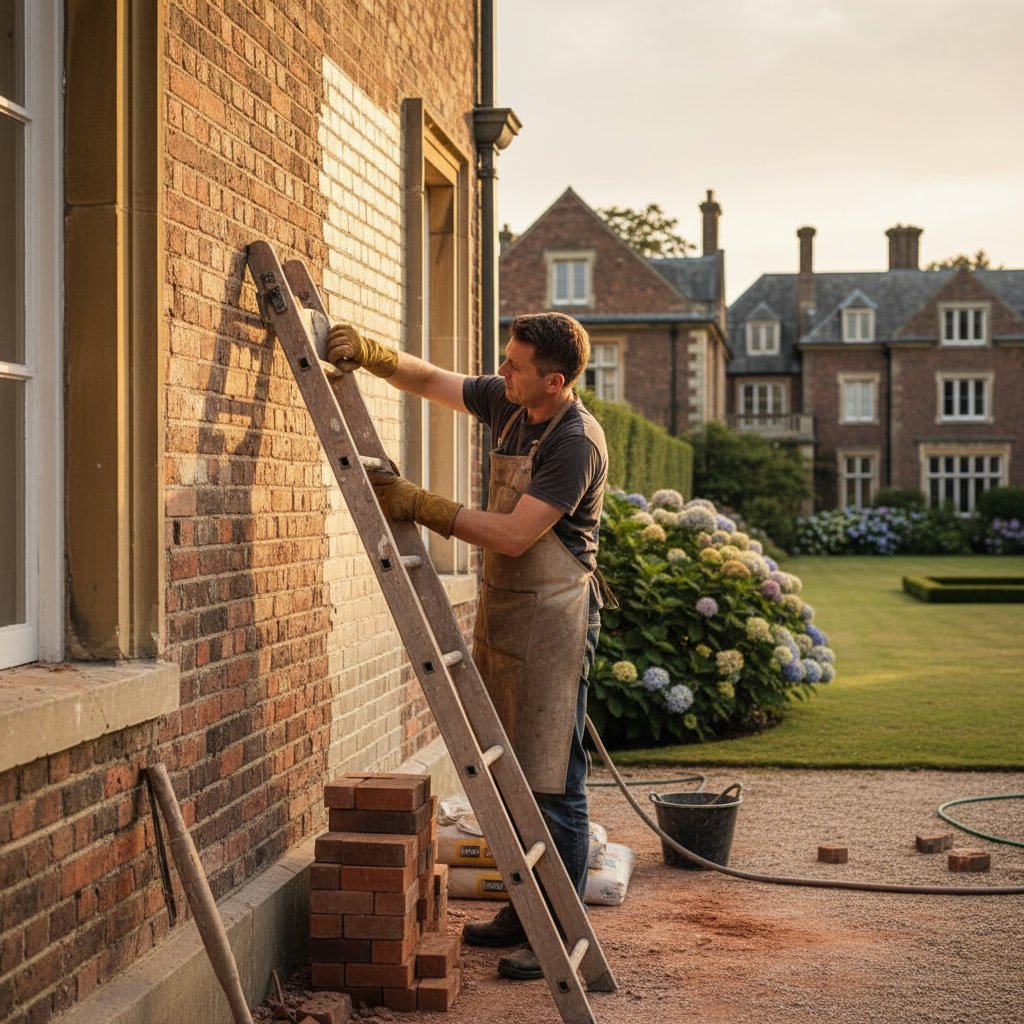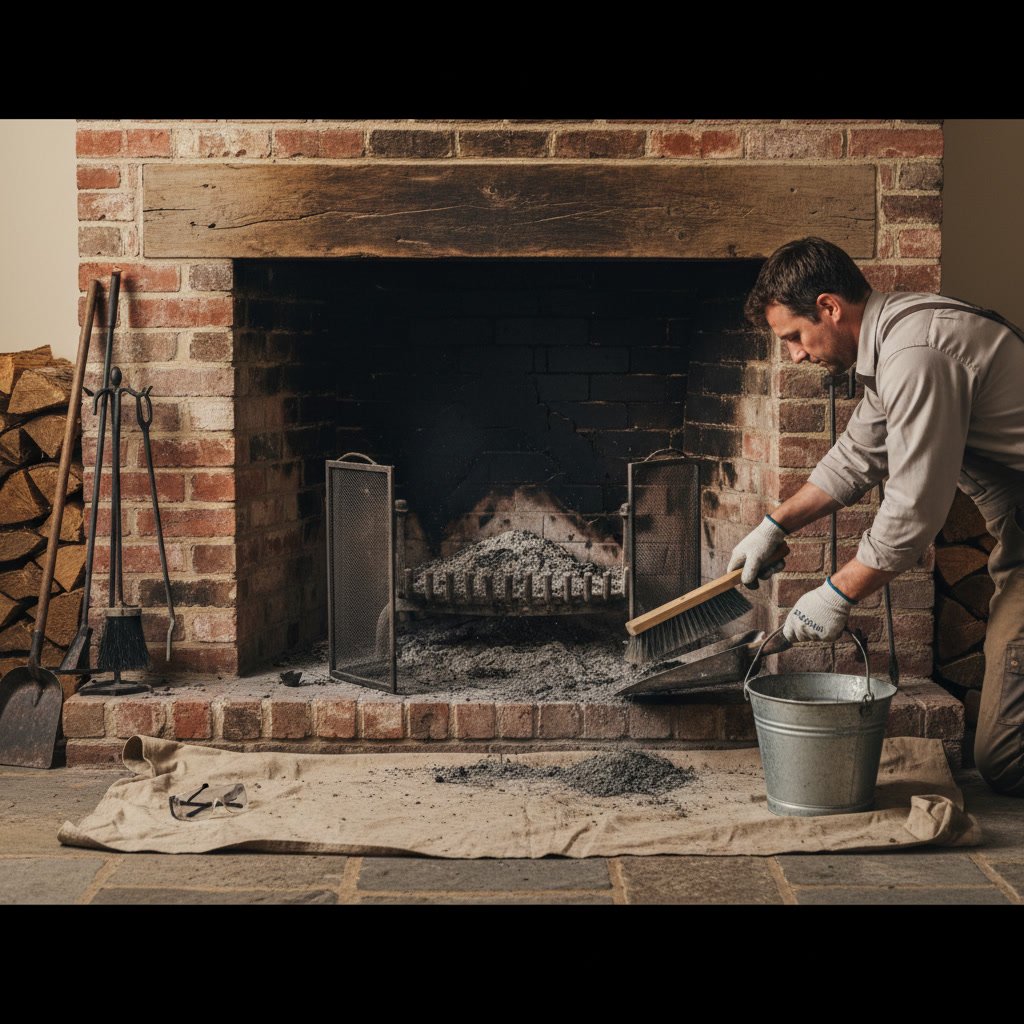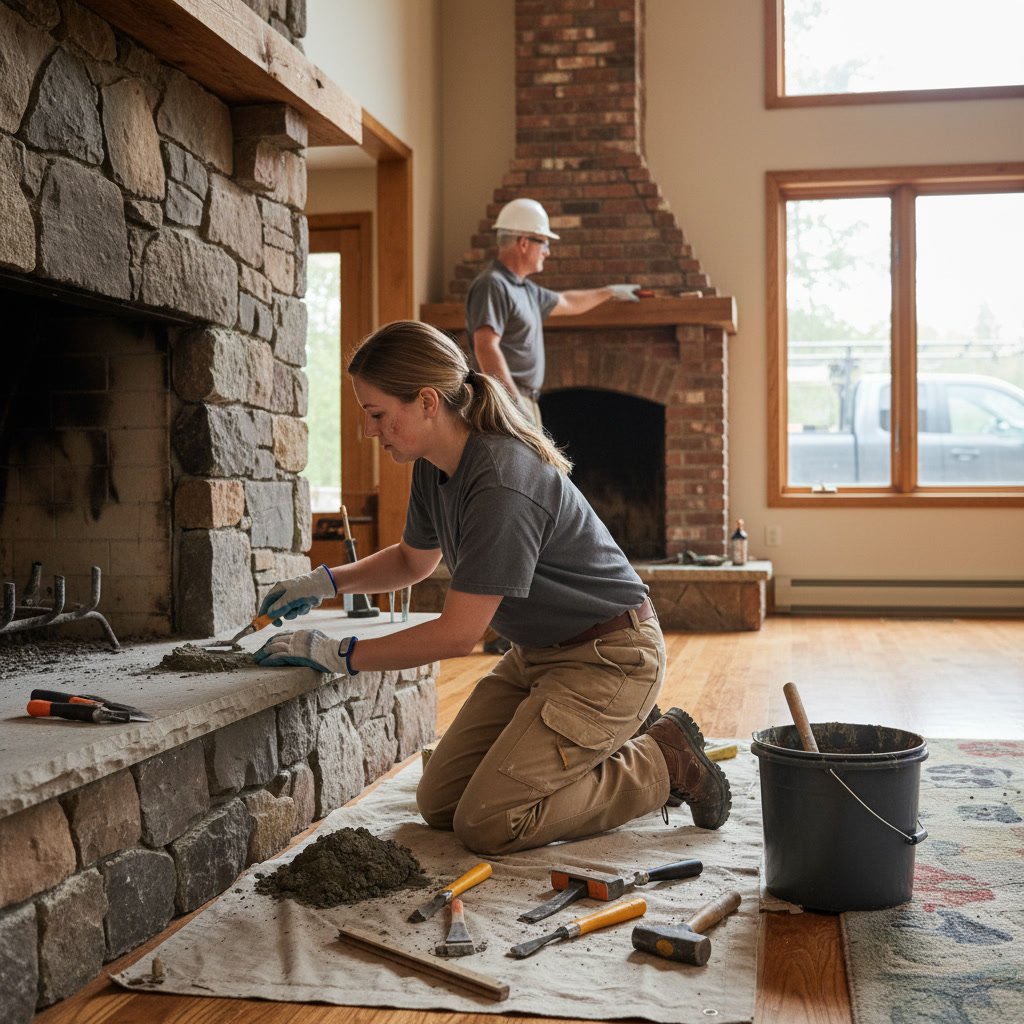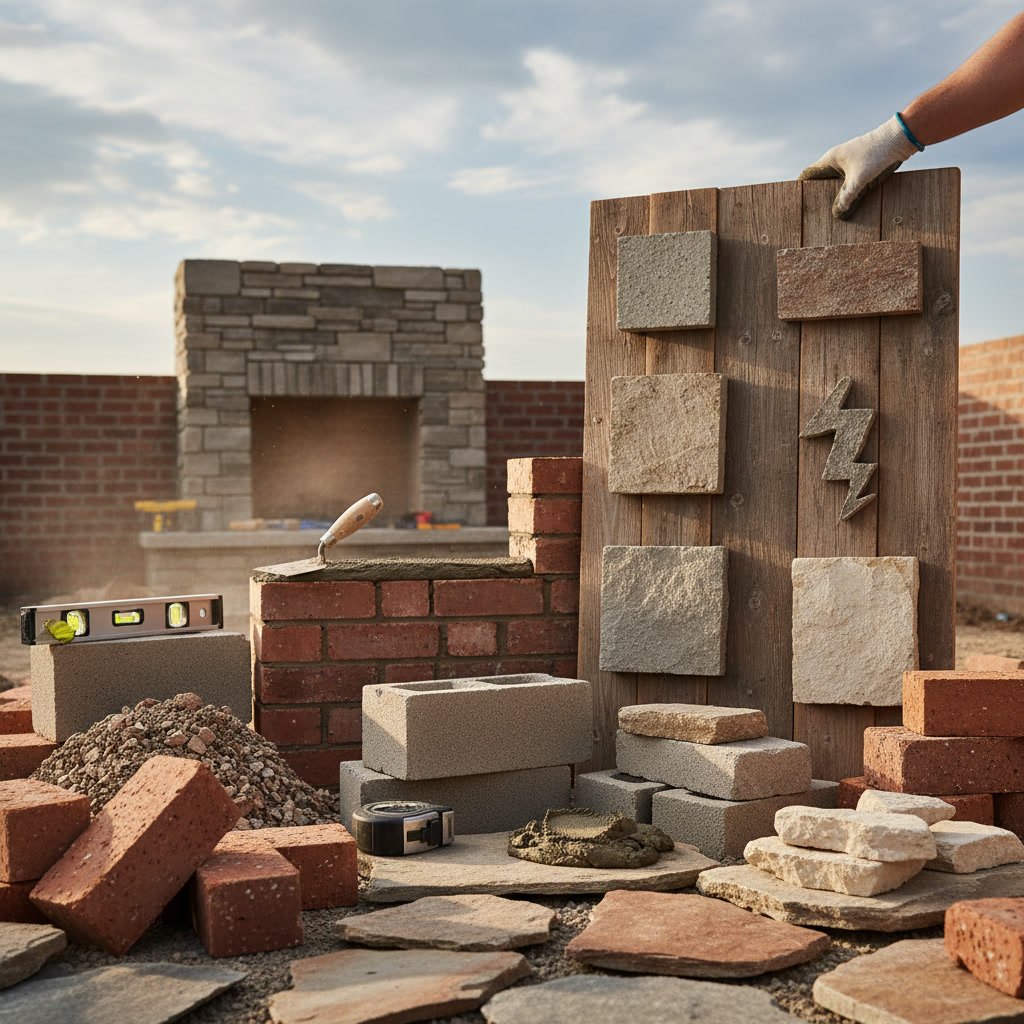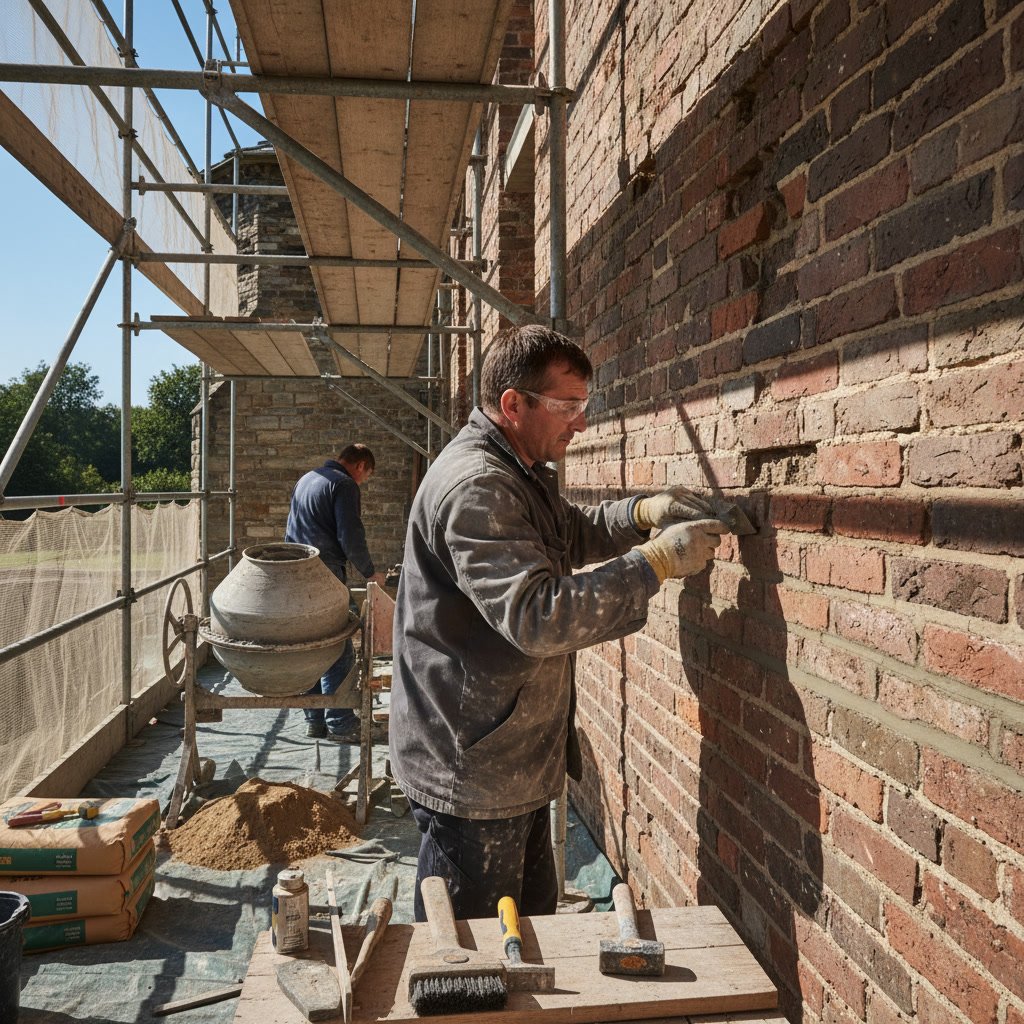

The right masonry professional brings decades of skill, attention to detail, and proven methods that ensure your project stands the test of time. When you choose masonry contractor services, you’re not just hiring labor but investing in structural integrity, aesthetic quality, and long-term value for your home. A qualified contractor will guide you through material selection, handle permitting, and deliver craftsmanship that meets local building codes and your specific vision.
Why Your Contractor Selection Matters More Than You Think
A masonry project is a permanent addition to your property. Poor workmanship can lead to cracking, water infiltration, structural failure, and costly repairs within just a few years. The difference between a well-built fireplace and one that requires immediate remediation often comes down to the contractor’s experience and commitment to proper techniques.
Masonry work involves precise mortar mixing ratios, proper flashing installation, correct tie placements, and understanding how different materials expand and contract with temperature changes. These technical details separate true craftsmen from those who simply stack units and hope for the best.
Experience and Specialization in Palm Beach Climate Conditions
South Florida’s coastal environment presents unique challenges for masonry work. High humidity, salt air, heavy rainfall, and occasional hurricanes demand specialized knowledge. A contractor with four decades of local experience understands how to select materials resistant to moisture penetration and how to detail joints that prevent water intrusion during tropical storms.
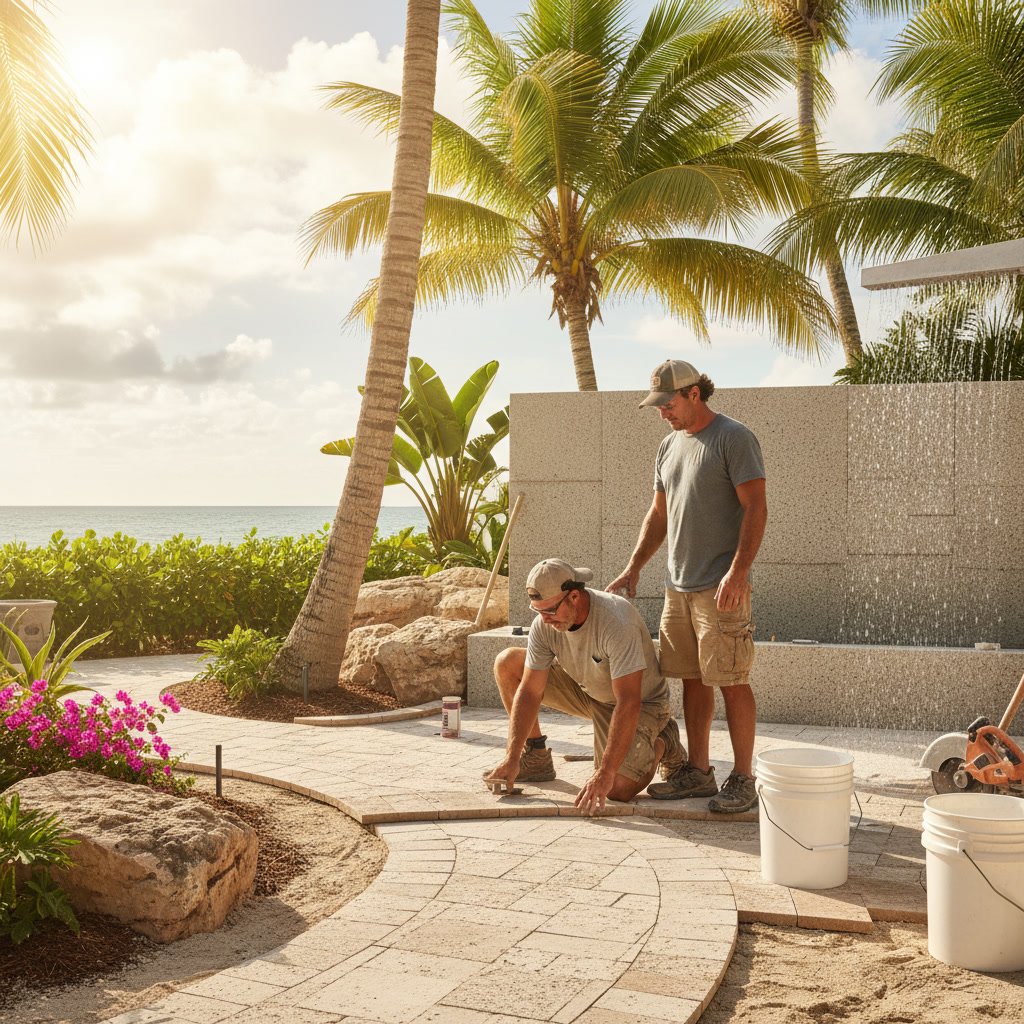
Ask potential contractors about their experience with your specific project type. Someone who excels at decorative stone veneers may not have the same depth of knowledge required for structural chimney repairs. Specialization matters, particularly for complex projects involving multiple materials or historical restoration work.
Verifying Credentials and Insurance Coverage
Every masonry contractor you consider should carry current general liability insurance and workers’ compensation coverage. Request certificates of insurance directly from their carrier, not just photocopies that could be outdated. Liability coverage should be at least one million dollars, protecting you from financial responsibility if property damage or injuries occur during the project.
Check licensing requirements in your municipality. While Florida doesn’t require a state masonry license for companies working on single-family homes, local jurisdictions may have their own requirements. Verify that your contractor pulls proper permits and schedules required inspections. Unpermitted work can create serious problems when you sell your home or file insurance claims.
Evaluating Portfolio Quality and Past Project Diversity
A comprehensive portfolio reveals far more than basic competence. Look for variety in materials, project scales, and architectural styles. A contractor who has successfully completed everything from simple masonry repairs to elaborate custom installations demonstrates adaptability and breadth of skill.
Pay attention to mortar joint consistency, alignment precision, and how well the finished work integrates with existing structures. Clean lines, uniform spacing, and proper bonding patterns indicate meticulous craftsmanship. When reviewing portfolios, consider reading about material selection strategies to better evaluate the appropriateness of past material choices.
Understanding Their Material Sourcing and Quality Standards
Top contractors maintain relationships with reputable suppliers and can source premium materials at fair prices. They should explain the differences between material grades, help you understand durability ratings, and recommend products suited to your specific application and budget.
Ask whether they inspect materials upon delivery and reject substandard units before installation. Brick and block can arrive with chips, cracks, or inconsistent coloring. A contractor committed to quality will cull defective units rather than install them and hope you don’t notice.

Communication Style and Project Management Approach
Clear communication prevents misunderstandings that derail timelines and budgets. During initial consultations, assess whether the contractor listens carefully to your goals, asks clarifying questions, and explains technical concepts in understandable terms. Do they provide detailed written estimates that break down labor, materials, and other costs separately.
Discuss their typical project timeline and how they handle inevitable delays due to weather or material backorders. A professional contractor sets realistic expectations rather than promising completion dates they can’t reliably meet. They should also explain their crew size, work hours, and how they’ll protect your landscaping and existing structures during construction.
Five Critical Questions to Ask Before Signing a Contract
Start by asking how they handle substrate preparation. Proper surface prep accounts for much of a project’s long-term success. The contractor should describe their process for cleaning, repairing, and priming surfaces before applying new masonry.
Second, request their approach to water management and drainage. Moisture is masonry’s biggest enemy. Quality contractors install weep holes, through-wall flashing, and proper sloping to direct water away from vulnerable areas.
Third, inquire about their warranty coverage. What specific issues does it cover, and for how long. A limited warranty on labor, typically one to two years, is standard. Material warranties come from manufacturers but the contractor should assist with claims if defects appear.
Fourth, ask for their process when encountering unexpected conditions. Foundation irregularities, hidden damage, or code compliance issues often surface mid-project. Establish in advance how these situations will be communicated and priced.
Fifth, verify their cleanup and disposal procedures. Masonry generates substantial waste. The contractor should remove debris daily and complete a thorough final cleanup, leaving your property in pristine condition.
Red Flags That Should End the Conversation
Walk away from contractors who pressure you to decide immediately or offer suspiciously low bids that undercut competitors by 30 percent or more. Quality materials and skilled labor cost what they cost. Extreme discounts usually mean corner-cutting on one or both.
Avoid contractors who resist providing references or whose references seem scripted. Legitimate professionals gladly connect you with past clients who can speak to their work quality, professionalism, and problem-solving abilities.
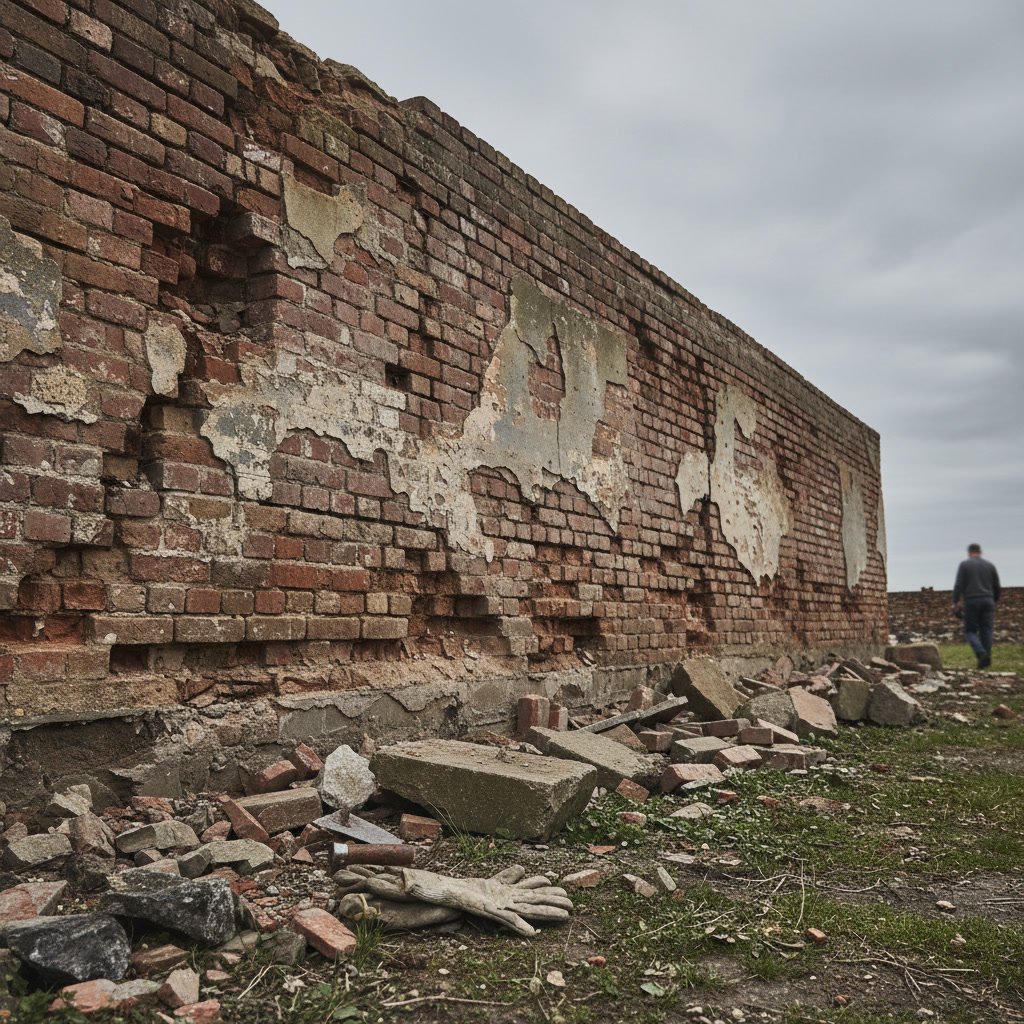
Be wary of contractors who suggest skipping permits to save money or time. Permitted work protects you legally and ensures projects meet safety standards. If structural issues arise later, unpermitted work complicates repairs and may violate your insurance policy.
The Value of Local Expertise and Community Reputation
Contractors deeply rooted in their service communities have reputations to protect. They rely on referrals and repeat business, creating strong incentives to deliver exceptional results. A contractor who has served the same area for decades has likely worked on properties similar to yours and understands local architectural styles, soil conditions, and municipal requirements.
Local expertise also means faster response times for warranty work or emergency repairs. A contractor based 100 miles away may struggle to address urgent issues promptly, while a nearby professional can typically respond within 24 to 48 hours.
Comparing Estimates Without Choosing Based on Price Alone
Collect at least three detailed written estimates for meaningful comparison. Each should itemize materials by type and quantity, specify labor costs, outline the project timeline, and clarify what’s included versus excluded from the quoted price.
The lowest bid rarely represents the best value. Compare what each contractor proposes to actually do. Does one include superior materials. Does another plan more thorough prep work. Does a third offer a longer warranty. Match the scope of work, not just the bottom-line number.
Consider the estimated project duration. A contractor who promises completion in half the time of competitors may be planning to rush the work or use larger crews with less supervision. Masonry requires adequate curing time between stages. Shortcuts during installation create long-term failures.
Making Your Decision With Confidence
After evaluating credentials, portfolios, communication style, and estimates, trust your instincts about who you’ll work with comfortably over several weeks or months. The technical qualifications matter enormously, but so does your confidence in the contractor’s integrity and commitment to your satisfaction.
Marck Pecoraro Masonry brings more than 40 years of specialized experience to every project, from intricate chimney work to comprehensive brick and block installations. That depth of knowledge ensures proper material selection, meticulous installation techniques, and results that enhance your property’s beauty and structural integrity for decades. The difference between adequate masonry and exceptional craftsmanship often comes down to a contractor who views each project as a reflection of their life’s work rather than just another job.
Whether your project involves repairs, new construction, or restoration work, selecting a contractor with proven local expertise and an unwavering commitment to quality protects your investment. Take time to verify credentials, review past work, and have detailed conversations about methods and materials before making your final choice.
Ready to discuss your masonry project with a team that has served the community with distinction for over four decades. Marck Pecoraro Masonry provides detailed consultations, transparent estimates, and craftsmanship that stands the test of time. Call +15619510233 to schedule your consultation and take the first step toward masonry work done right.