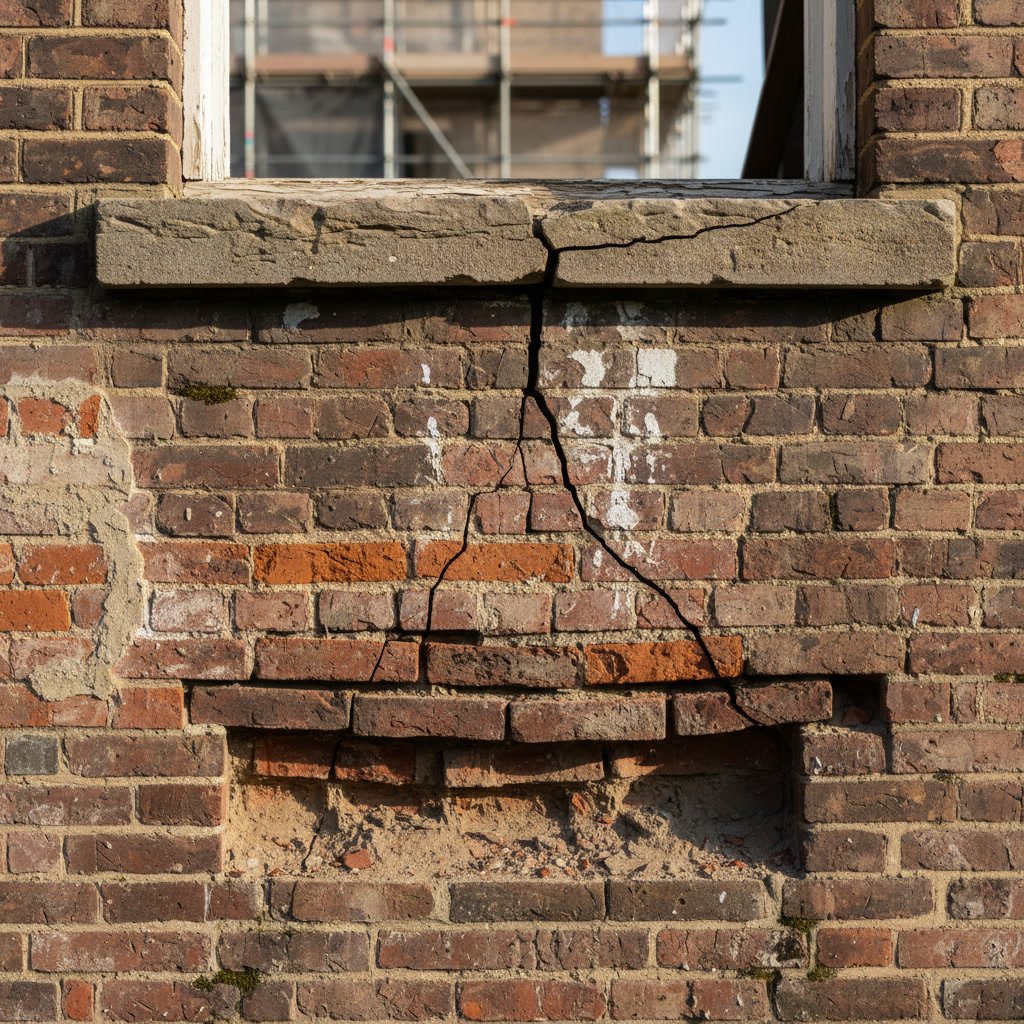
Masonry structures are built to last, but even the strongest brick, stone, and block work eventually shows signs of wear. Learning to spot early warning signals like cracking, efflorescence, and mortar deterioration can save you thousands in extensive repairs and protect your property’s structural integrity. Recognizing these signs masonry needs repair early allows property owners to address problems before they escalate into costly structural failures.
Why Early Detection Matters for Masonry Structures
Masonry damage rarely happens overnight. What starts as a hairline crack or minor mortar gap can evolve into a serious structural concern within months or years, depending on weather exposure and underlying causes. South Florida’s humid climate, salt air, and seasonal storms accelerate deterioration in brick, block, and stone surfaces.
Catching problems early dramatically reduces repair costs. A simple repointing project might cost hundreds, while ignoring the same issue can lead to wall rebuilds costing thousands. Beyond finances, structural masonry failures pose safety risks to anyone near the affected area.
Understanding How Masonry Ages and Deteriorates
All masonry materials expand and contract with temperature changes. Over decades, this constant movement stresses mortar joints, creating tiny openings where water enters. Once moisture penetrates, it dissolves minerals, freezes in cold snaps, and feeds mold growth that further weakens the structure.
Different materials age at different rates. Soft historic brick absorbs more water than modern versions, while natural stone may last centuries but still requires maintained mortar joints. Understanding your specific material helps you know what warning signs to watch for.
Visible Cracks in Brick or Stone Surfaces
Cracks are the most obvious distress signal. Hairline cracks less than 1/8 inch wide often result from normal settling and may not require immediate action. Cracks wider than 1/4 inch, especially those that grow over time, indicate foundation movement or structural stress that needs professional evaluation.
Stair-step cracks following mortar joints suggest differential settlement, where one section of foundation sinks faster than another. Horizontal cracks near window or door openings point to lintel failure, while vertical cracks in wall centers may signal overloading or inadequate support.
Pay attention to crack location and direction. Cracks radiating from corners or openings typically result from concentrated stress points. Those running the full height of a wall often indicate more serious foundation issues requiring immediate attention.
Crumbling or Missing Mortar Joints
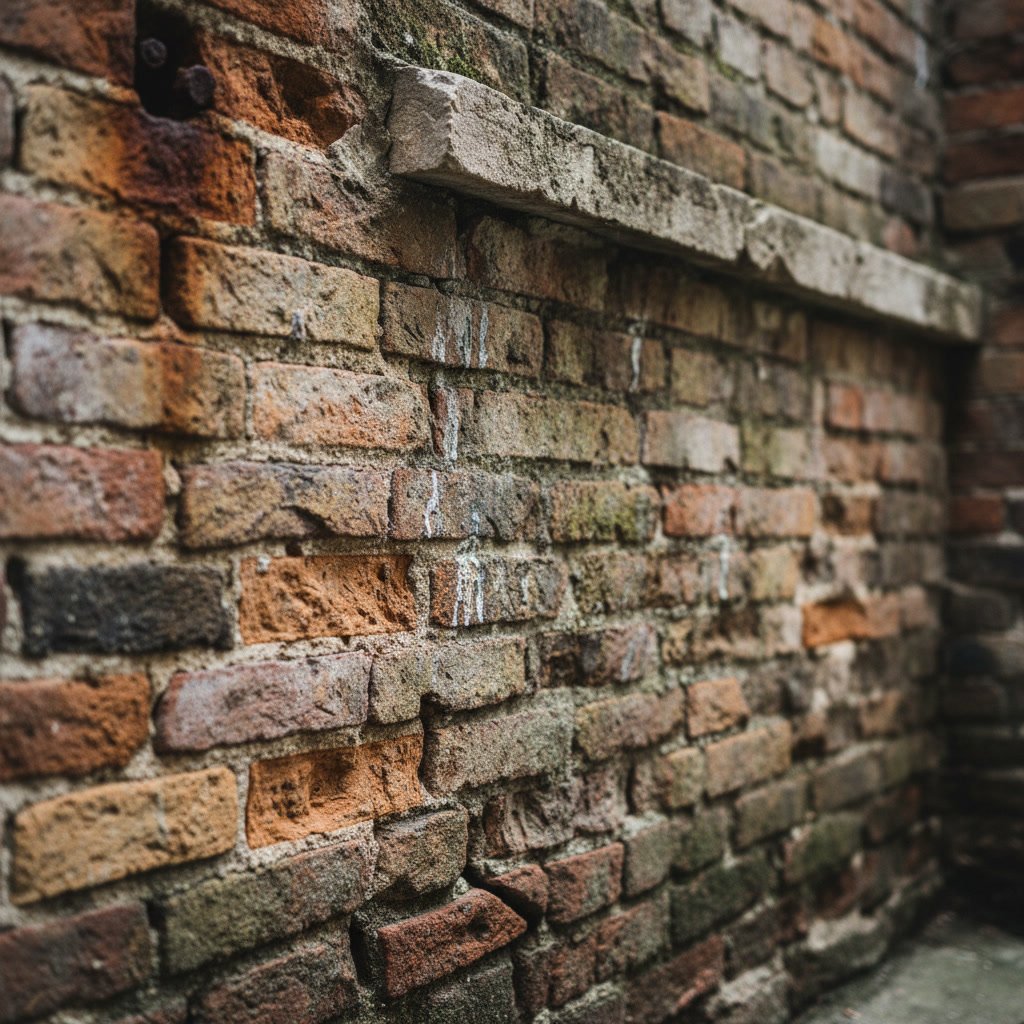
Mortar is the weakest component in any masonry assembly by design. It should fail before the brick or stone, protecting the more expensive material. When mortar crumbles to a depth of 1/2 inch or more, moisture can pool behind the face, accelerating damage.
Missing mortar sections create pathways for water, insects, and rodents. In coastal areas like Palm Beach, salt-laden air attacks lime-based mortars particularly aggressively. Once erosion starts, it spreads rapidly as water flows through the newly created channels.
Check mortar by gently pressing with a screwdriver or similar tool. Healthy mortar resists penetration, while deteriorated mortar crumbles easily or allows the tool to sink 1/4 inch or deeper. This simple test reveals whether masonry repairs are needed.
White Staining and Efflorescence Buildup
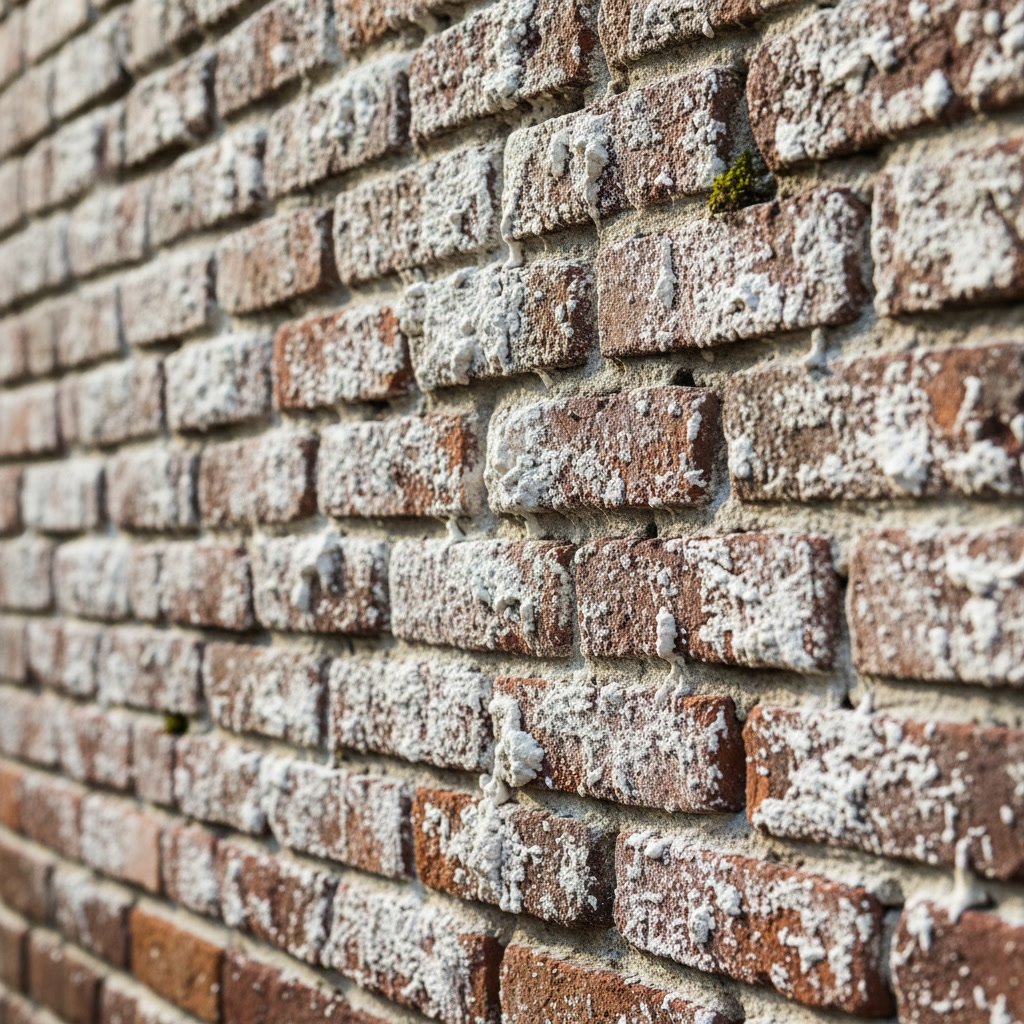
White, powdery deposits on masonry surfaces are called efflorescence. This occurs when water dissolves salts inside the masonry, then evaporates at the surface, leaving mineral deposits behind. While efflorescence itself doesn’t damage the structure, it proves water is moving through the wall.
Persistent efflorescence indicates an ongoing moisture problem. The salts come from within the brick, mortar, or soil behind the wall. As water repeatedly travels through the assembly, it carries more minerals to the surface and causes internal deterioration you cannot see.
New construction often shows temporary efflorescence that stops once excess construction moisture dries. Efflorescence appearing years after construction signals a water intrusion problem requiring investigation and repair.
Bulging or Bowing Walls
Walls should be plumb and straight. Any noticeable bulge or bow indicates the wall is separating from its structural support or experiencing excessive lateral pressure. This might come from hydrostatic pressure behind the wall, corroded wall ties, or deteriorated anchors.
Measure suspected bulges by holding a straight board or string line against the wall. Bulges exceeding 1/2 inch over an eight-foot span require immediate professional assessment. These conditions can lead to sudden collapse, especially during high winds or if the bulge continues to worsen.
Older buildings sometimes develop bulges as original iron or steel ties corrode and expand, pushing the masonry outward. This problem affects both structural stability and water resistance, as the displaced masonry creates new entry points for moisture.
Damaged or Leaning Chimneys in South Florida
Chimneys face unique challenges because they stand exposed on all sides to weather. Freeze-thaw cycles in northern climates cause the most damage, but South Florida’s humidity, salt air, and tropical storms still take their toll on chimneys over time.
Look for deteriorated mortar at the roofline where the chimney meets the roof. This junction collects water and experiences significant thermal movement. Cracked chimney crowns, damaged flashing, and loose bricks all allow water infiltration that damages the interior structure.
A leaning chimney is a serious concern. Even a few degrees of tilt indicates foundation problems or internal structural failure. Chimneys that lean more than one inch per four feet of height are at risk of collapse and need urgent evaluation. For detailed cost considerations, read more about chimney repair expenses in our area.
Water Damage and Interior Moisture Problems
Exterior masonry damage often shows up first as interior problems. Water stains on inside walls, peeling paint, or damp spots after rain all suggest compromised exterior masonry allowing water penetration. Musty odors indicate hidden moisture supporting mold growth.
Check basements and crawl spaces for water entry through foundation walls. White mineral deposits, damp spots, or actual standing water point to failed waterproofing or cracked masonry. Ground-level masonry faces constant moisture exposure from soil and requires proper drainage to prevent saturation.
Interior moisture problems worsen quickly. Once water finds a path through masonry, each rain event deposits more moisture, expanding the damage zone. Steel reinforcement inside the wall corrodes, concrete block cells fill with water, and wooden structural members begin to rot.
Loose or Displaced Bricks and Stones
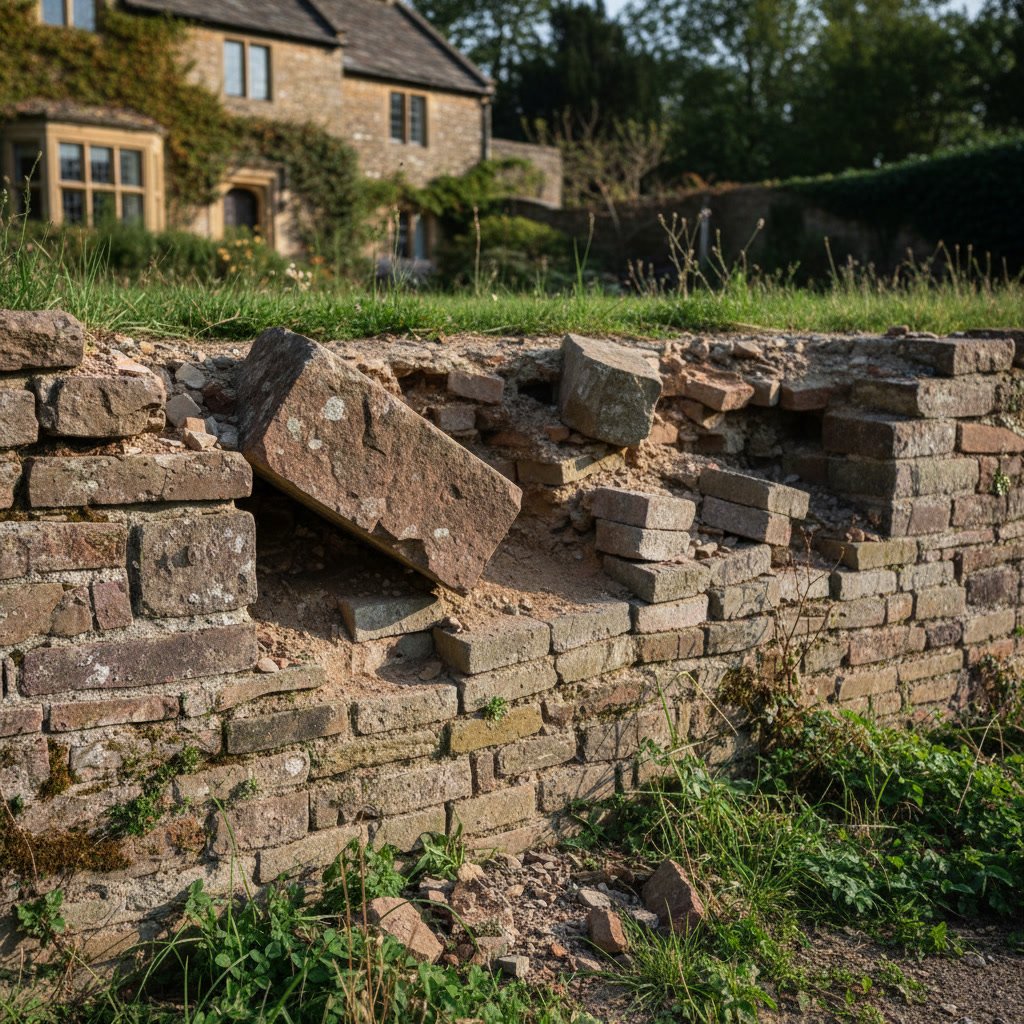
Individual units that move when pressed, sound hollow when tapped, or have visible gaps around their edges are no longer bonded to the structure. This happens when mortar completely fails or when freeze-thaw action (less common in South Florida) or structural movement breaks the bond.
Loose units create immediate safety hazards, especially on upper stories where falling brick can cause serious injury. They also create large openings for water, dramatically accelerating deterioration of surrounding areas. Even one or two loose bricks warrant prompt attention.
Check veneer walls carefully. Modern brick veneer is only four inches thick and relies entirely on metal ties for support. If ties corrode or mortar fails, entire sections can separate from the backup wall. Press gently on suspect areas and listen for hollow sounds indicating separation.
Comparing Minor Wear Versus Serious Structural Issues
Not every imperfection requires immediate repair. Understanding the difference between cosmetic wear and structural problems helps you prioritize maintenance dollars effectively.
Minor issues include small hairline cracks under 1/8 inch wide that do not grow, light surface staining that cleans away, and isolated spots of minor mortar erosion less than 1/4 inch deep. These problems benefit from monitoring and planned masonry maintenance but rarely constitute emergencies.
Serious problems demanding immediate attention include any crack wider than 1/4 inch or any crack that grows, bulging or leaning walls, loose or falling masonry units, significant areas of missing mortar, persistent water infiltration, and any condition that poses a safety hazard. These situations require professional diagnosis and repair.
When in doubt, have a qualified mason inspect the problem. An experienced eye can distinguish between normal aging and progressive failure. Many serious problems start as minor issues that were ignored too long.
Protecting Your Investment Through Timely Restoration
Masonry structures represent significant investments in your property. A well-maintained brick or stone facade adds curb appeal, energy efficiency, and lasting value. Neglected masonry becomes a liability that reduces property value and creates ongoing safety concerns.
Regular inspections help you stay ahead of problems. Walk around your property twice yearly, ideally in spring and fall, looking for the warning signs described above. Document what you find with photos and notes so you can track changes over time.
Professional restoration work by experienced craftsmen extends the life of masonry structures for decades. Quality repairs use compatible materials and proper techniques that respect the original construction while addressing modern performance standards. Marck Pecoraro Masonry has provided expert diagnosis and repair throughout the region for over 40 years, bringing technical precision and artistic skill to every restoration project.
Taking Action to Preserve Your Masonry
Recognizing distress signals in your masonry is the first step toward protecting your investment. Cracking, mortar deterioration, efflorescence, bulging, and water infiltration all indicate problems that will worsen without intervention. Early professional assessment and repair prevent minor issues from becoming expensive structural failures.
Regular monitoring and maintenance preserve both the beauty and structural integrity of brick, stone, and block construction. Taking action when problems first appear saves money, protects safety, and extends the life of your masonry for generations to come.
If you have noticed any of these warning signs in your home or commercial property, Marck Pecoraro Masonry provides expert evaluation and restoration services throughout the area. With more than four decades of specialized experience, we deliver the craftsmanship and attention to detail your masonry deserves. Contact us at +15619510233 to schedule a professional assessment and learn how we can help preserve your property.