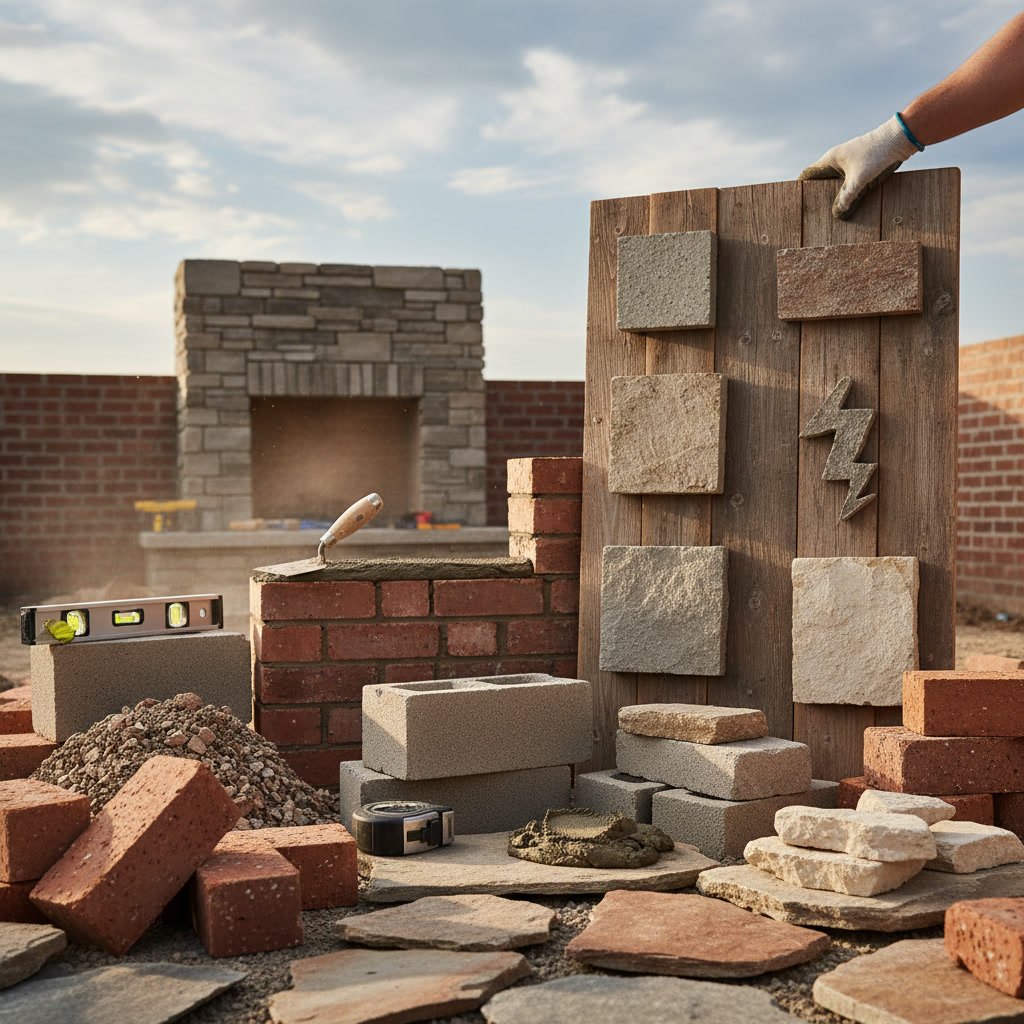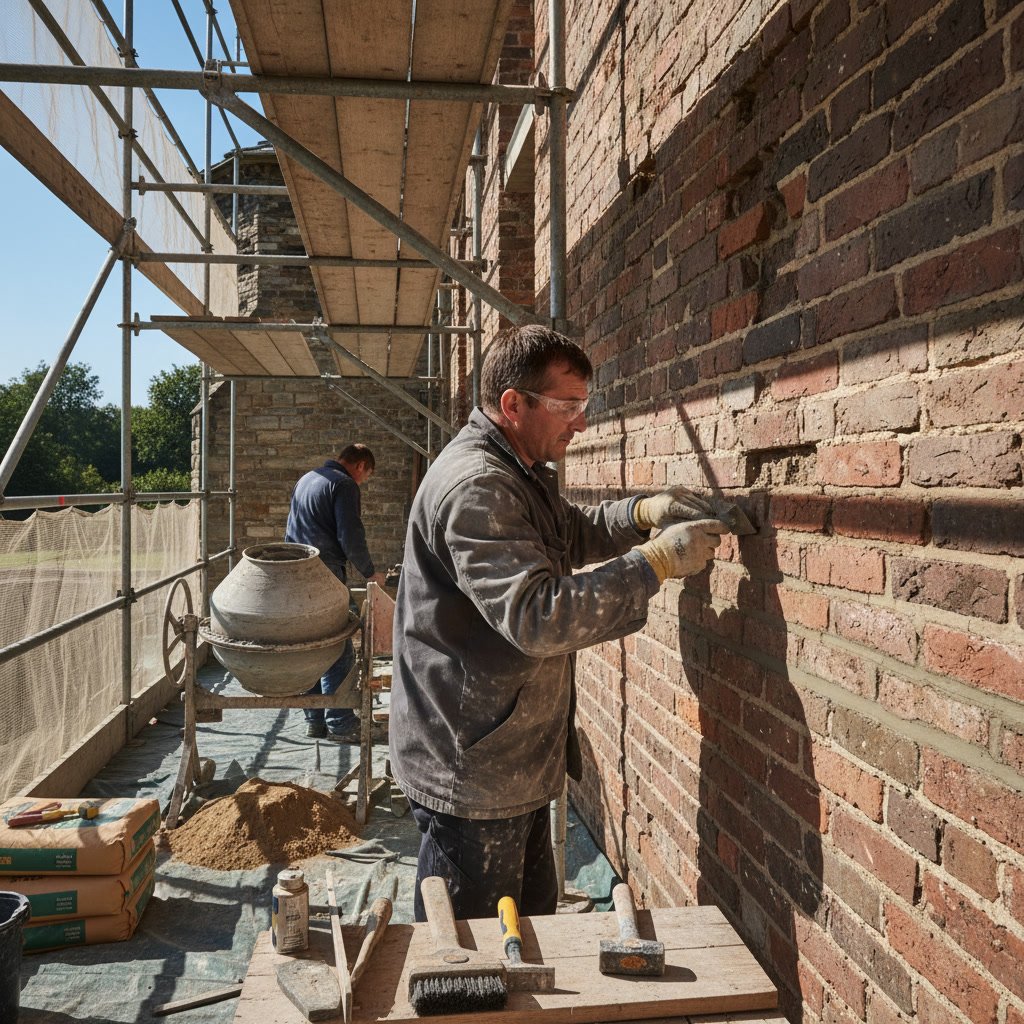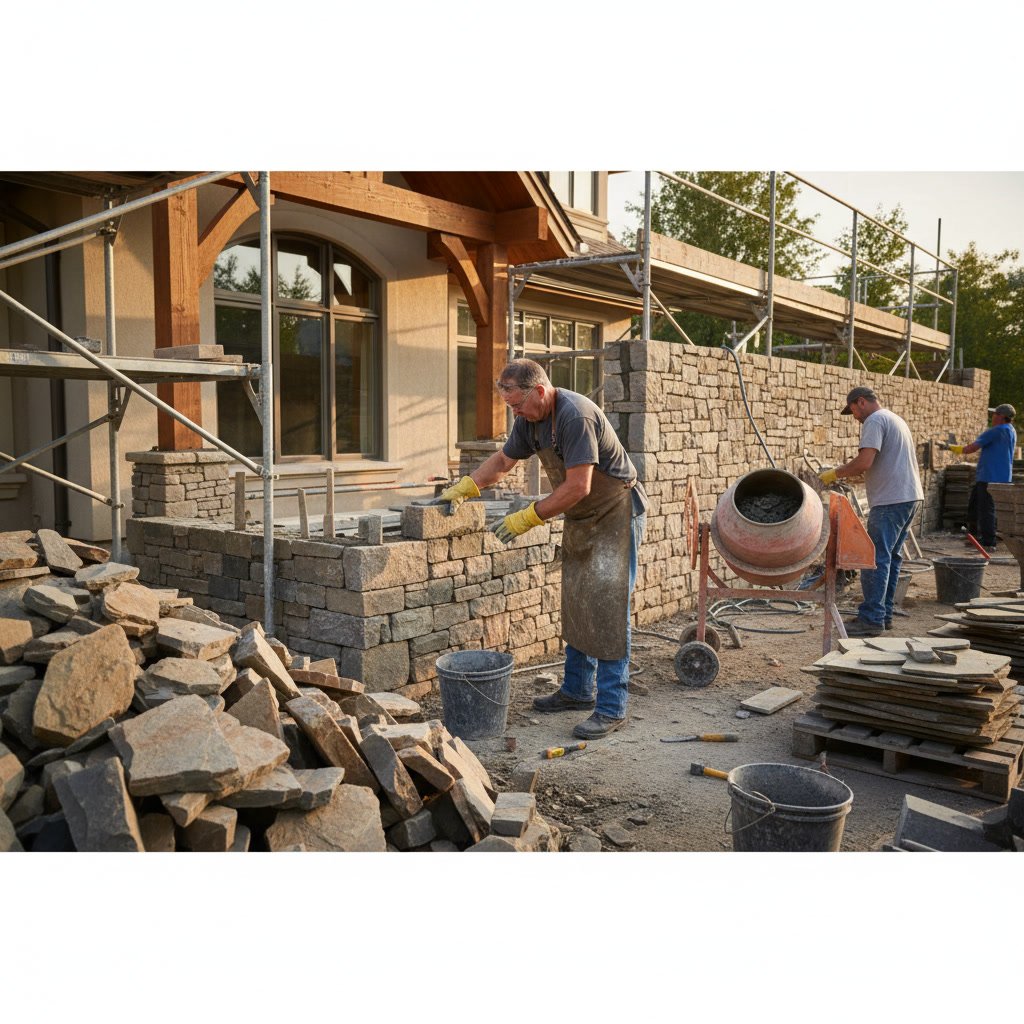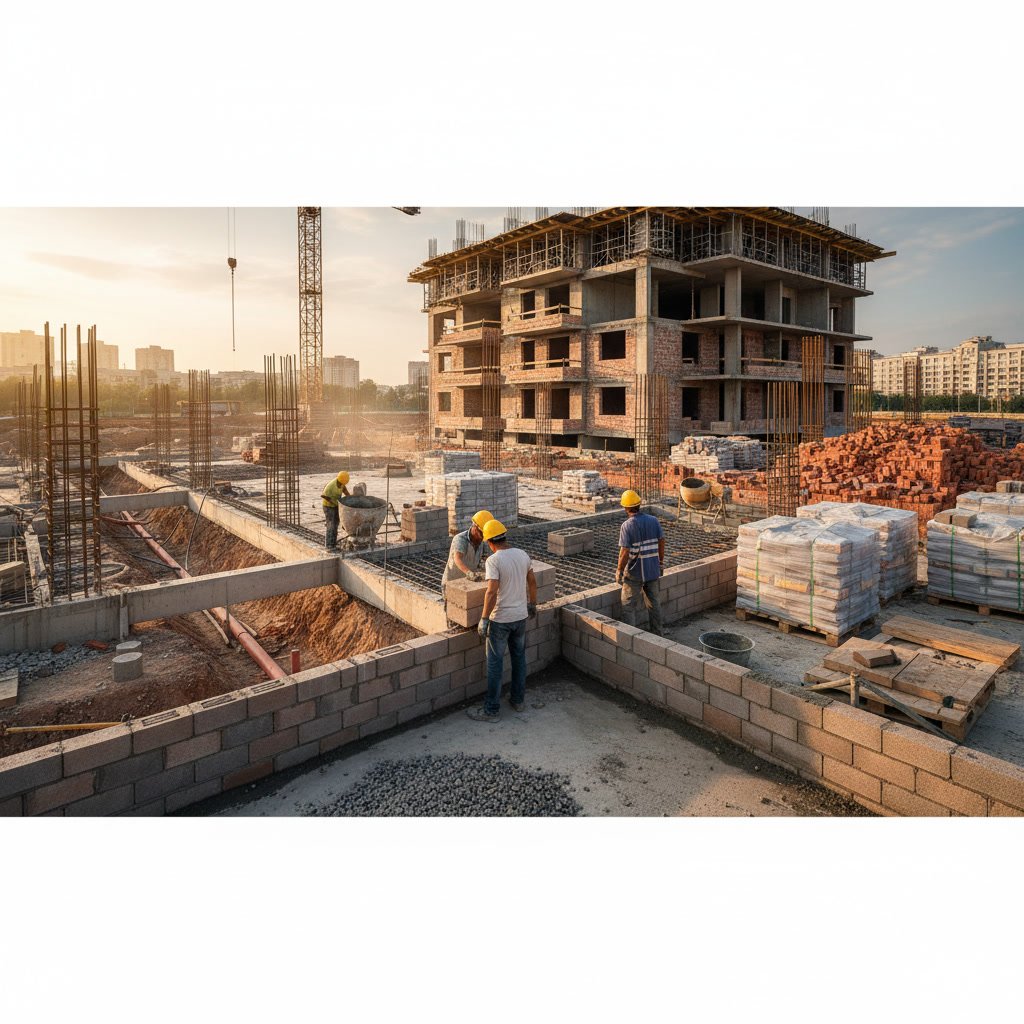
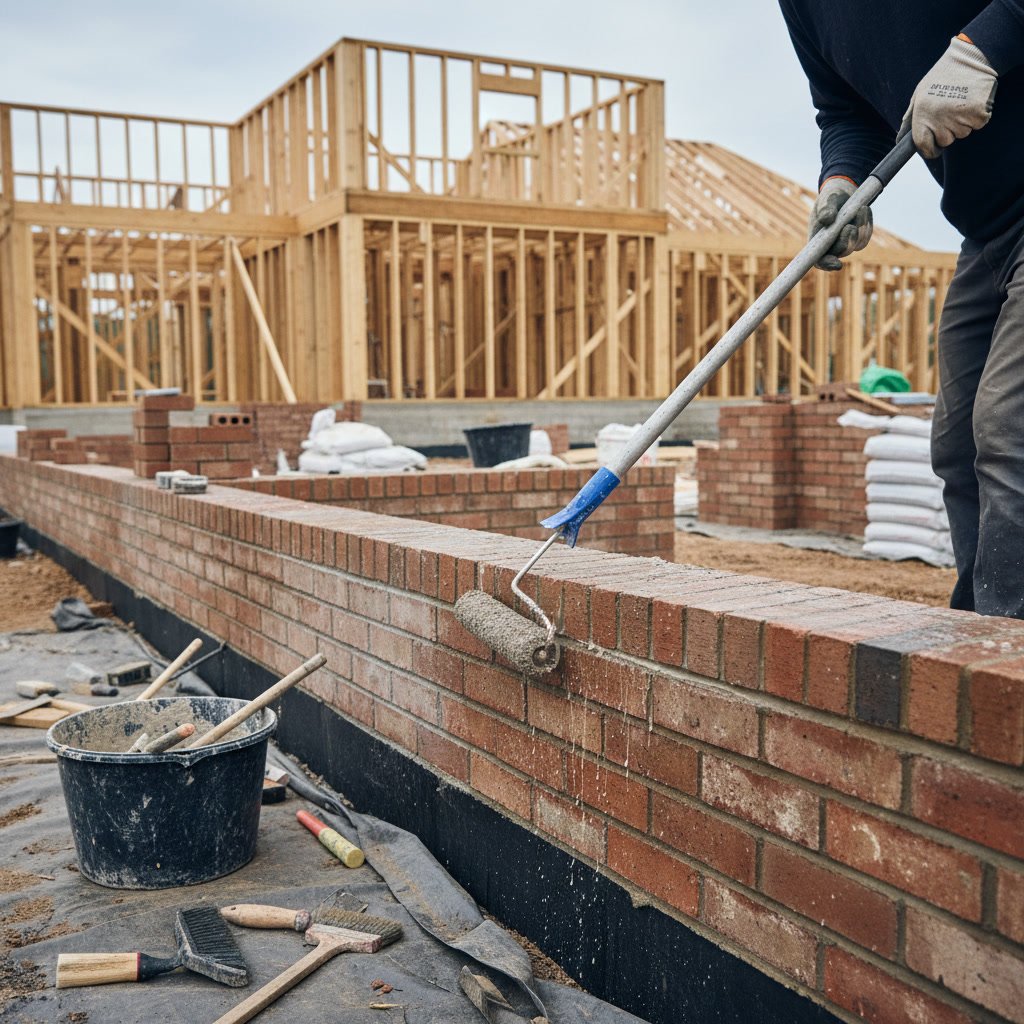
Water seeping into your brick walls, stone veneer, or chimney can cause thousands of dollars in damage before you even notice the problem. Cracks appear, mortar crumbles, and structural integrity weakens as moisture works its way through porous masonry materials. Masonry waterproofing creates a protective barrier that stops water infiltration before it compromises your home’s most valuable features.
This guide explains what masonry waterproofing involves, which homes need it most, and how to recognize the warning signs that your property requires immediate attention. Understanding these protective measures can save you significant repair costs and extend the lifespan of your masonry by decades.
Understanding Masonry Waterproofing
Masonry waterproofing is the process of applying specialized sealants, coatings, or membranes to brick, stone, block, and mortar surfaces to prevent water penetration. Unlike paint or decorative finishes, waterproofing products are engineered to create a breathable barrier that repels water while allowing trapped moisture vapor to escape.
The science behind effective waterproofing balances two critical functions. First, it must block liquid water from entering through the surface pores and capillaries in masonry materials. Second, it must permit water vapor already inside the wall to evaporate outward, preventing moisture from becoming trapped and causing internal damage.
Professional-grade waterproofing systems differ significantly from consumer products sold at hardware stores. Penetrating sealers bond chemically with masonry at a molecular level, while topical coatings form a film on the surface. The right choice depends on your masonry type, age, condition, and exposure level.
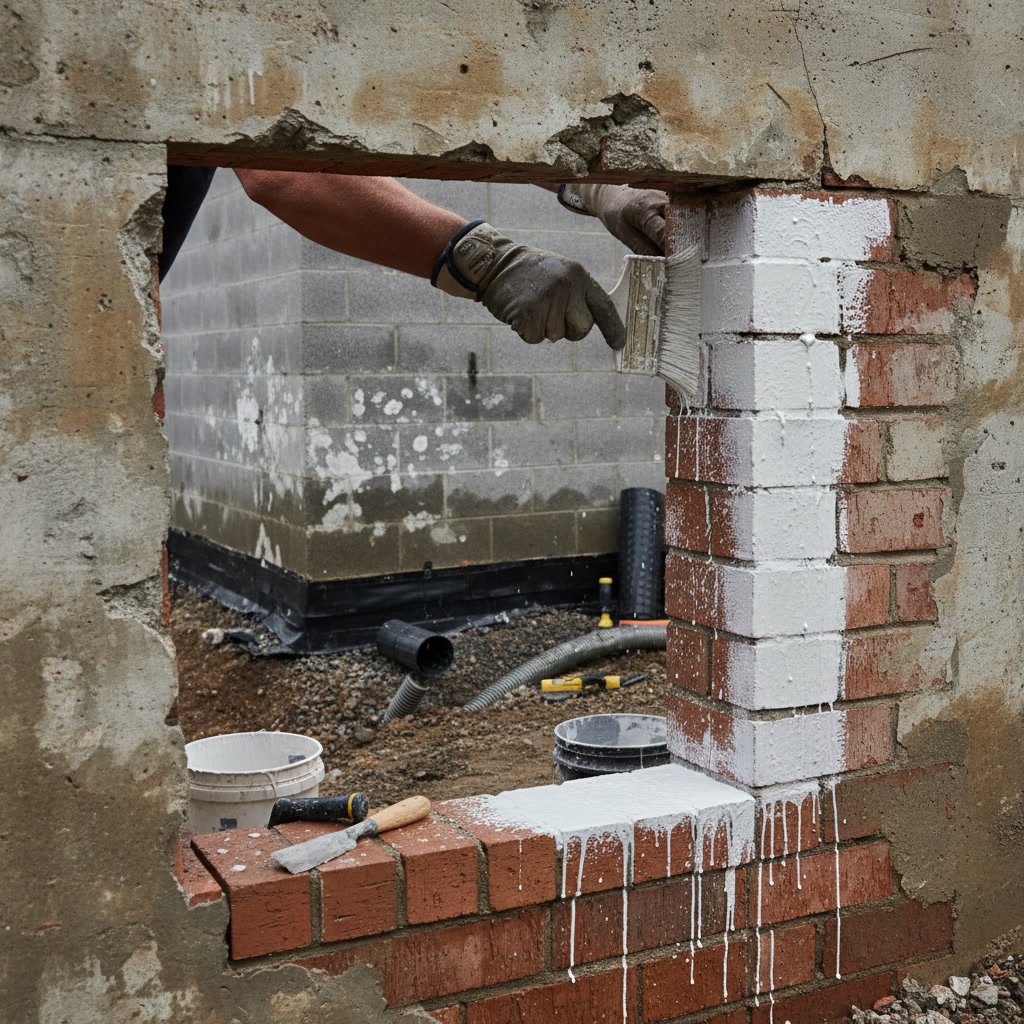
Types of Masonry Waterproofing Systems
Penetrating Sealers
Penetrating sealers, also called impregnators, soak into the masonry substrate and form a hydrophobic barrier within the pores. These products typically use silane, siloxane, or silicate chemistry to repel water without changing the appearance of the brick, stone, or block.
The primary advantage of penetrating sealers is their breathability. They allow water vapor transmission rates of 90 to 99 percent compared to untreated masonry, which prevents moisture from becoming trapped behind the surface. Most penetrating sealers last five to ten years before requiring reapplication.
Topical Coatings
Topical waterproofing coatings create a film layer on the masonry surface. These include acrylic coatings, elastomeric paints, and cementitious coatings. While they provide excellent water resistance, they can trap moisture if not properly specified for your specific conditions.
Elastomeric coatings offer flexibility that bridges hairline cracks up to 1/16 inch wide. This makes them particularly useful for older masonry that has developed minor cracking but remains structurally sound. However, these coatings change the appearance of natural stone and brick, creating a uniform finish that some homeowners prefer to avoid.
Crystalline Waterproofing
Crystalline waterproofing products contain chemicals that react with moisture and minerals in concrete or masonry to form insoluble crystals. These crystals fill pores and capillaries, blocking water pathways. This technology works particularly well for chimneys and foundations where water pressure is constant.
The unique benefit of crystalline systems is their self-healing capability. If minor cracks develop after application, water entering the crack reactivates the crystalline growth, sealing the new opening. This makes crystalline waterproofing a long-term solution for below-grade masonry.
When Your Home Needs Masonry Waterproofing
Several clear indicators signal that your masonry requires waterproofing protection. Recognizing these signs early prevents minor moisture issues from becoming major structural problems.
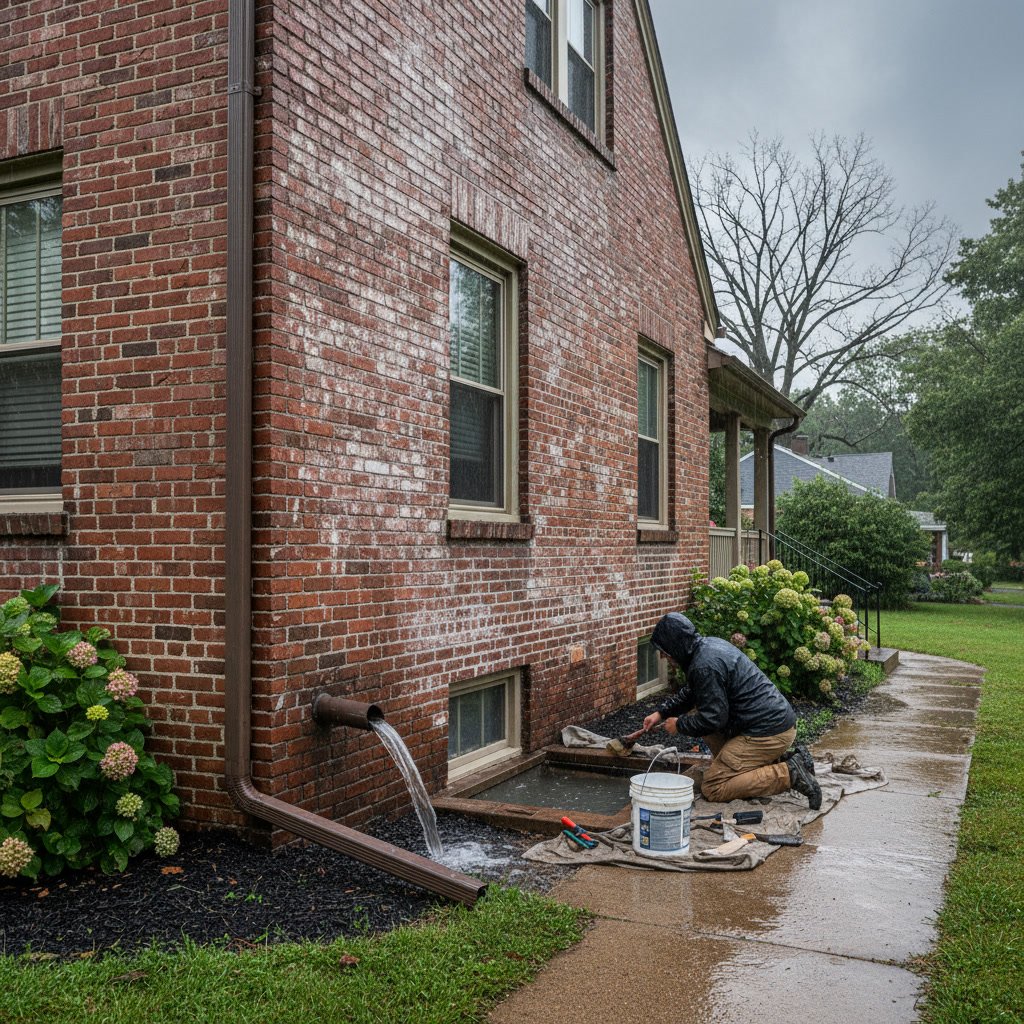
Efflorescence Appears on Surfaces
White, powdery deposits on brick or stone surfaces indicate efflorescence, which occurs when water carries soluble salts through the masonry and deposits them on the surface as it evaporates. This is one of the earliest and most visible signs that water is penetrating your masonry.
While efflorescence itself is not structurally damaging, it proves that water is moving through your walls. The same moisture causing efflorescence also promotes freeze-thaw damage, mortar deterioration, and mold growth within wall cavities. Addressing the waterproofing needs now prevents these more serious consequences.
Spalling or Flaking Brick
When brick faces begin to flake, pop off, or crumble, the damage typically results from water absorption and freeze-thaw cycles. Water enters the brick, freezes during cold weather, expands, and breaks off the outer surface. In South Florida, temperature fluctuations and constant humidity create similar stresses even without hard freezes.
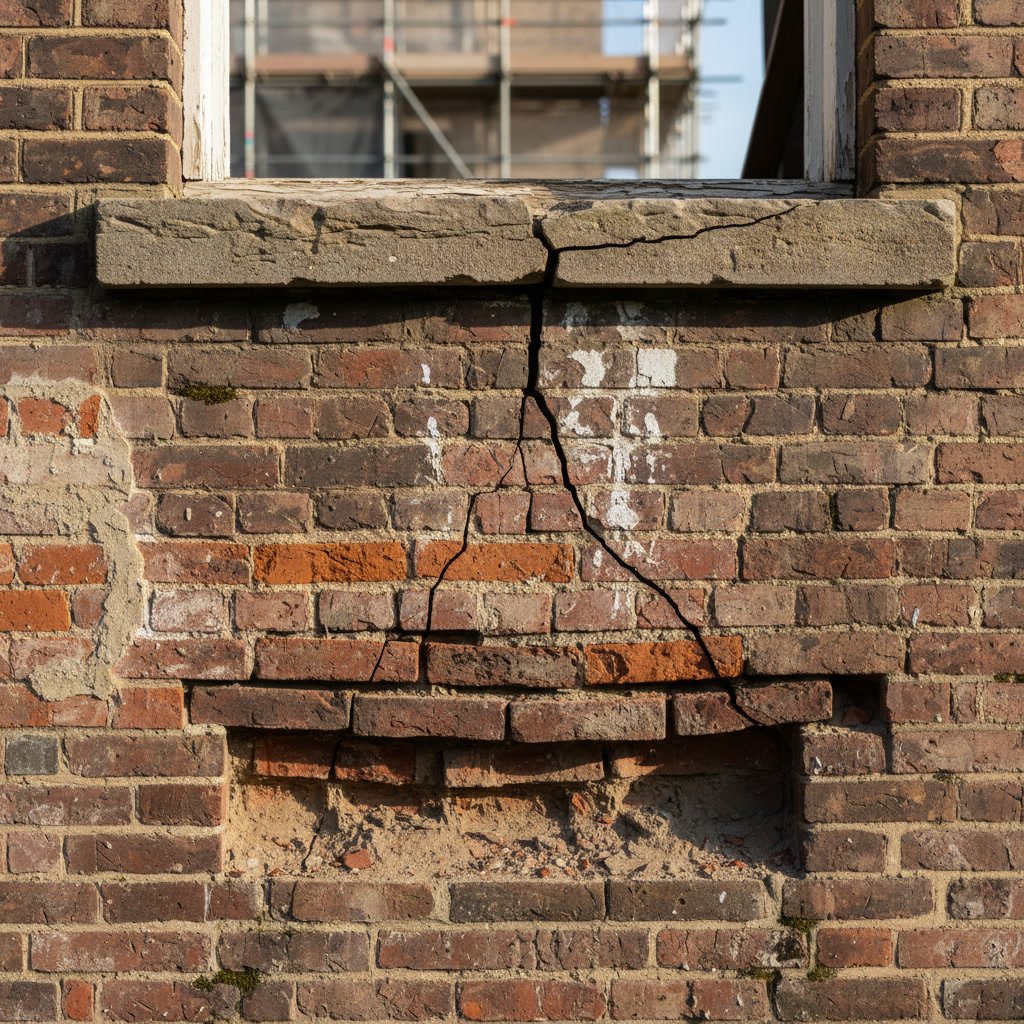
Spalling indicates that water has already caused damage, but waterproofing the remaining sound masonry prevents further deterioration. If spalling affects more than 20 percent of a wall, you may need masonry repairs before waterproofing becomes effective.
Deteriorating Mortar Joints
Mortar joints are more porous than the bricks or stones they connect, making them the primary entry point for water. When mortar begins to crack, crumble, or recede more than 1/4 inch from the face of the masonry, water infiltration accelerates dramatically.
Professional waterproofing should follow mortar joint repair or repointing. Applying sealers over damaged mortar traps moisture behind the coating and accelerates deterioration. The proper sequence is repair first, then waterproof to protect the restored work.
Interior Moisture Problems
Water stains on interior walls adjacent to exterior masonry, musty odors, or visible mold growth all indicate that moisture is penetrating through your walls. Even small amounts of water can create significant indoor air quality problems and damage interior finishes.
Masonry walls in rooms with fireplaces are particularly vulnerable because the chimney acts as a pathway for water. A chimney crown in poor condition or missing flashing allows water to run down the inside of the chimney and saturate surrounding masonry. This issue connects directly to chimney repair considerations that many homeowners face.
New Construction or Renovation
Waterproofing should be part of any new masonry installation or major renovation. Applying sealers to fresh masonry protects your investment from the start and costs significantly less than repairing water damage later.
Wait at least 28 days after installation before waterproofing new masonry. This curing period allows excess moisture from the construction process to evaporate. Sealing too early traps this moisture and can cause efflorescence or bonding problems.
Pro Tip: Schedule waterproofing application during dry weather with temperatures between 50 and 90 degrees. The masonry surface must be completely dry for proper sealer penetration and bonding. Avoid application if rain is forecast within 24 hours.
Climate Considerations for South Florida Homes
South Florida’s subtropical climate creates unique waterproofing challenges. High humidity, intense sun exposure, and frequent heavy rains combine to stress masonry materials year-round.
Annual rainfall in the Palm Beach Gardens and Boca Raton areas averages 60 to 65 inches, with most falling during the summer months in sudden, intense storms. Wind-driven rain can penetrate masonry walls that would remain dry in gentler precipitation.
Salt air in coastal communities from Jupiter to Delray Beach accelerates masonry deterioration. Salt particles carried by ocean breezes deposit on masonry surfaces, attract moisture, and promote chemical reactions that break down mortar and masonry units. Waterproofing with salt-resistant formulations protects against this specific coastal challenge.
Hurricane season brings another dimension to waterproofing needs. Homes with properly sealed masonry fare better during tropical storms, as water-resistant surfaces shed wind-driven rain that would otherwise penetrate deep into wall assemblies.
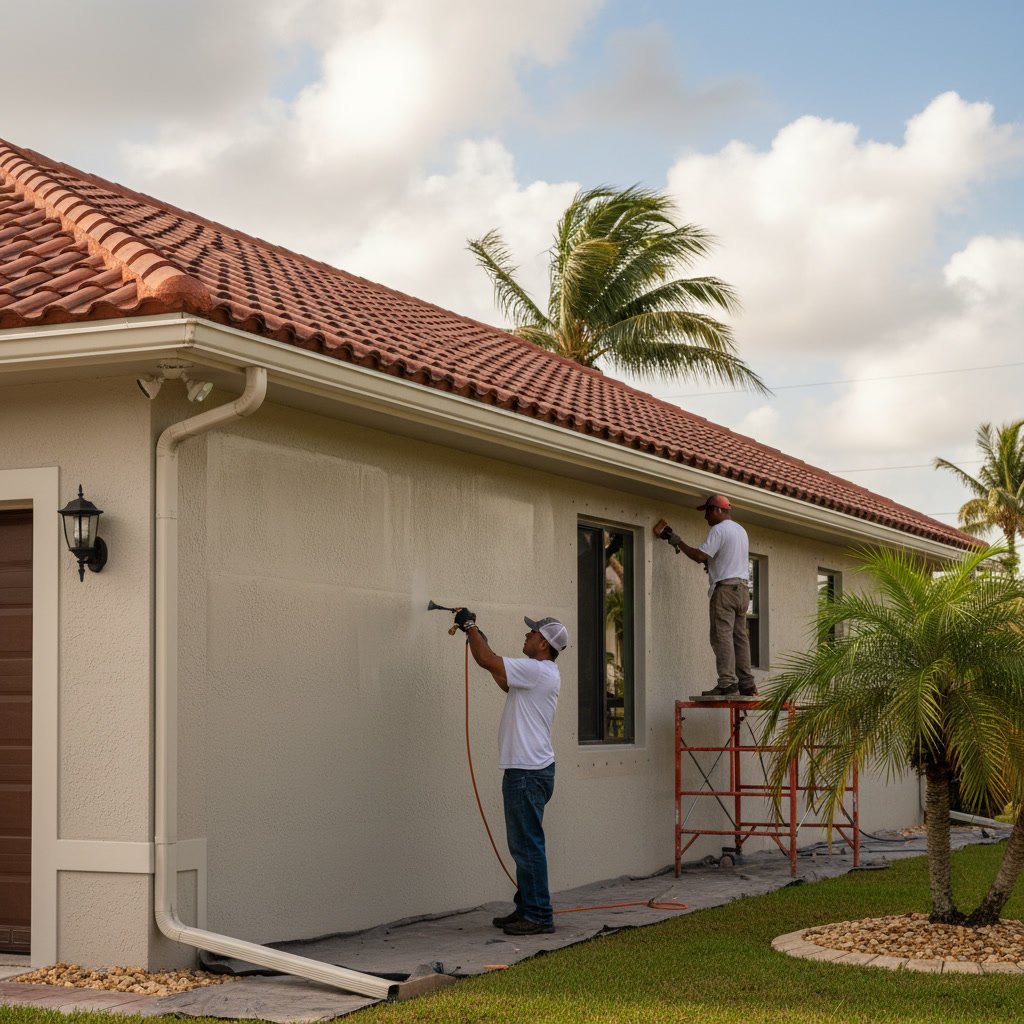
The Masonry Waterproofing Process
Professional masonry waterproofing follows a systematic approach that ensures long-lasting protection. Understanding this process helps you evaluate contractor proposals and set appropriate expectations.
Surface Preparation
Thorough cleaning removes dirt, biological growth, efflorescence, and failed coatings that would prevent proper sealer adhesion. Professionals use pressure washing, chemical cleaners, or abrasive methods depending on the masonry type and condition.
All repairs to mortar joints, cracks, or damaged masonry units must be completed before waterproofing begins. Sealers cannot repair structural problems or fill significant voids. They work only when applied to sound, properly prepared surfaces.
Application Technique
Application methods vary by product type. Penetrating sealers are typically applied by low-pressure spray to ensure even coverage and proper saturation. The goal is to flood the surface until it cannot absorb more sealer, then remove excess before it dries on the surface.
Topical coatings require brush, roller, or spray application in multiple coats. Each coat must dry completely before the next is applied. Professional applicators monitor weather conditions closely, as temperature and humidity affect curing times and final performance.
Curing and Testing
Most waterproofing products require 24 to 72 hours to cure fully. During this period, the masonry must remain dry and protected from rain. Once cured, a simple water test confirms effectiveness. Water droplets should bead on the surface and roll off rather than absorbing into the masonry.
Quality masonry maintenance includes periodic reapplication of waterproofing treatments. Most products last five to ten years depending on sun exposure, weather severity, and product quality. Regular inspections help you time reapplication before water damage begins.
Common Waterproofing Mistakes to Avoid
Several common errors reduce waterproofing effectiveness or create new problems. Homeowners attempting DIY waterproofing and inexperienced contractors often make these mistakes.
Applying waterproofing to damp masonry is the most frequent error. Moisture already in the wall cannot escape through the waterproof barrier, leading to interior damage, efflorescence behind the coating, or premature coating failure. Always verify the masonry is completely dry before application.
Using the wrong product for your masonry type produces disappointing results. Not all sealers work on all materials. Limestone, for example, requires different chemistry than clay brick. Products designed for horizontal surfaces like pavers may not perform well on vertical walls.
Skipping necessary repairs before waterproofing wastes time and money. Sealers cannot bridge wide cracks, fill missing mortar, or stabilize deteriorating masonry. These issues must be resolved first through proper meticulous maintenance services.
Neglecting proper surface preparation reduces sealer penetration and adhesion. Dirty or contaminated surfaces prevent the chemical bonding necessary for long-term protection. Professional cleaning before application is not optional but rather essential to product performance.
Key Takeaway: Masonry waterproofing is not a one-size-fits-all solution. The right approach depends on your specific masonry materials, climate exposure, current condition, and budget. Professional assessment ensures you get effective protection tailored to your home’s unique needs.
Cost Considerations and Return on Investment
Professional masonry waterproofing typically costs between 1.50 and 4.00 dollars per square foot, depending on surface preparation requirements, product selection, and accessibility. A typical single-family home exterior might range from 1,500 to 4,000 dollars for complete waterproofing.
This investment delivers substantial returns. Waterproofing extends masonry life by 15 to 25 years by preventing water-related deterioration. Preventing one major repair cycle easily justifies the waterproofing cost. Replacing deteriorated brick facing or rebuilding a damaged chimney costs ten to twenty times more than preventive waterproofing.
Energy savings provide another return. Water-saturated masonry loses insulating value and conducts heat more readily. Dry, sealed walls improve thermal performance, reducing cooling costs in South Florida’s hot climate. Homeowners report energy savings of 5 to 12 percent after waterproofing exterior masonry walls.
Property value protection may be the most significant benefit. Visible water damage, efflorescence, or deteriorating masonry raises red flags during home inspections and reduces buyer confidence. Well-maintained, properly sealed masonry enhances curb appeal and demonstrates responsible property stewardship that supports resale value.
Frequently Asked Questions
How long does masonry waterproofing last?
Quality penetrating sealers typically last five to ten years, while topical coatings may need reapplication every three to seven years. Lifespan depends on product quality, application technique, sun exposure, and weather severity. South Florida’s intense sun and frequent rain tend to shorten waterproofing life compared to milder climates, making regular inspection and timely reapplication important.
Can I waterproof masonry myself or should I hire a professional?
While homeowner application is possible for small projects, professional waterproofing offers significant advantages for whole-house applications. Professionals have access to commercial-grade products not available to consumers, understand proper surface preparation, know which products work best for specific masonry types, and can identify underlying problems that require repair before waterproofing. The cost difference is often modest compared to the risk of improper DIY application.
Will waterproofing change the appearance of my brick or stone?
Penetrating sealers typically do not alter masonry appearance, maintaining the natural look and texture of brick, stone, or block. Some products may slightly darken light-colored masonry or enhance color depth. Topical coatings create a visible film that changes appearance more noticeably, sometimes adding sheen or creating a uniform finish. Request product samples or test areas before committing to full application if appearance is a concern.
What is the best time of year to waterproof masonry in Florida?
Late fall through early spring offers the most reliable application windows in South Florida. These months bring lower humidity, less frequent rain, and milder temperatures that optimize curing conditions. Avoid summer application during the rainy season when afternoon storms make scheduling difficult and high humidity extends drying times. Winter months from November through March provide the most consistent weather for waterproofing projects.
Does waterproofing prevent all water problems in masonry?
Waterproofing dramatically reduces water penetration through masonry surfaces but does not address water problems from other sources. Roof leaks, faulty flashing, poor drainage, and rising damp from ground contact require separate solutions. Comprehensive moisture protection combines waterproofing with proper roof maintenance, effective gutters and downspouts, appropriate grading, and functional drainage systems. A professional evaluation identifies all moisture sources and recommends coordinated solutions.
Protecting Your Masonry Investment
Masonry waterproofing provides essential protection against water damage that threatens the structural integrity, appearance, and value of your home. Recognizing the signs that your masonry needs waterproofing and taking action before serious damage occurs saves thousands in repair costs while extending the life of your brick, stone, and block structures.
Mark Pecoraro Masonry LLC brings over four decades of experience to waterproofing projects throughout West Palm Beach and surrounding communities. Our expertise ensures your masonry receives the right protection for South Florida’s demanding climate. If you notice efflorescence, deteriorating mortar, or other warning signs discussed in this guide, schedule a professional evaluation to protect your investment. Contact us at +15619510233 to discuss your waterproofing needs and receive a detailed assessment of your property.